
Categories
Wellness

The Connection Between Wellness and Happiness

What’s the connection between wellness and happiness? If you are well, does that mean you are automatically happy? Our understanding of the human experience leads us to say probably not, but you’re definitely on the right track. Keep reading to learn more about the connection between wellness, happiness and the power you have over both in your life. 

Yes, being “well” truly can make you feel happier 

While there’s so much more to wellness than happiness, there is no denying that your well-being directly affects how happy you feel. It is difficult to feel fulfilled when there are parts of your life that echo with emptiness and, due to this, there is a direct correlation between caring for yourself and positive emotional experiences. 

But wellness is about more than being happy 

However, you cannot simply dismiss emotions that aren’t “happiness” and expect to find meaningful wellness. True happiness is a sense of positive regard for yourself and the life you live. With that in mind, it’s important to note that true wellness will be inclusive of a variety of emotional experiences integrating into an overall sense of personal fulfillment. 

What does wellness mean, exactly?

The Global Wellness Society tells us that wellness is “the active pursuit of activities, choices and lifestyles that lead to a state of holistic health.” By its very existence, this definition puts the power of your wellness into your hands—exactly where it belongs. 

Wellness is yours to attain, and doing so is a choice you get to make across every dimension of your lifestyle. Choosing to seek wellness is to engage in the things that contribute to a sense of fulfillment in some aspect of your life. Wellness is fueled by action in that it is not simply something that happens to you. You have the power to create wellness in your life, and it is something you can directly contribute to no matter what other ways the world seeks to disempower you. 

Factors that improve your wellbeing

Resilience

How well you adapt or respond to things that don’t go the way you thought they would is a key part of your wellness. Being resilient means that, come what may, you are up for the challenge. There is no requirement for you to be unafraid of change or completely confident in your resilience. It simply asks you to believe in your ability to cope until you overcome. 

wellbeing outlook - villa kali maOutlook

When you look ahead in your life and the world at large, do you see something worth thriving for? A positive or optimistic outlook is a beneficial part of supporting your holistic wellbeing. 

The good in the world is worth enduring the difficult days when you come to them. An outlook that helps you to remember that will support your happiness levels in becoming a baseline for positivity. 

Generosity

Giving—and giving back—are important in the impact they have on your wellness and a general sense of personal fulfillment. Be generous with your time, your energy, and your positivity. When you can, be generous with spreading your wealth through the world in every sense of the word. A well person is a therapeutically positive person, so be generous with the way you share your wellness with the world. 

Here’s how being happy can actually improve your wellness

Body 

A happy body is connected to itself in breath and movement. Intentionally moving your body will reward you with an awareness of self. When your body is hurting, you struggle to stay connected to the ways in which it grounds you and that sense of awareness is lost. 

 The movement of your body gives you a practice run of producing a positive stress signal and responding to it in a positive way. In that regard, a happy body is one that is conditioned to respond to stress without immediately hitting crisis mode.  

Mind 

A positive mindset is the secret to thriving. This isn’t to say that you must be happy all the time. Dismissing all of your difficult or negative thoughts would be a disservice to your overall well-being. 

A positive or happy mind is not a relentlessly cheery one, but instead, a mind in which all thoughts are validated and supported in appropriate ways that help you reach toward fulfilling goals instead of self-harm. 

Spirit

Whether you are a spiritual person or not, the overall sense of self that keeps us rooted in our identity throughout our lifetime plays an important role in your wellbeing. Happiness in your spiritual center can contribute to a sense of peace that leads you toward your path of desirable outcomes. This sense of enlightenment or rightness can be achieved through meditation and spiritual practices that are customized to fit your needs and beliefs. 

The world around you benefits from your fulfillment 

Happy people are better for the planet. From the way we connect with animals to the way we treat the world around us, science has found evidence that even our Mother Earth benefits from the healing energy we put into our own happiness. 

Whether you are trying to get well or hoping to harness happiness along your holistic journey, recognizing the connection between wellness and happiness is a valuable step in the process. Every effort you make toward a life wholly lived is one that will benefit your wellness and, in turn, help you to move through life as a happier, healthier person

If you want to learn more about our programs or the way that we integrate holistic wellness into our addiction treatment programs, give us a call at (866) 950-0644 or connect with us online today!

Categories
Wellness

You Can’t Miss These Mindfulness Tips This May

Mindfulness is more than a state of being. It’s an art, and while many of us love the idea of mindfulness, the implementation into our lives is not as seamless as we might hope. However, with practice, you can become the expert in your own blend of this art form. 

Like all forms of therapeutic support, mindfulness is rooted in evidence that has developed over time both in our facility and in the broader community beyond us. We want to share these mindfulness tips with you to help you to have a rich mindfulness practice this Mental Health Awareness Month. 

What does it mean to be mindful?

In general, mindfulness speaks to a state of being one with your awareness. When you are mindful, you are aware of your feelings, your body and the world around you at this moment; your awareness is not wandering on a journey through your lifespan in either direction. 

Wit that said, successfully engaging in a mindfulness practice is not just the moments you spend actually being mindful. The healing power of mindfulness is embodied in the way you engage with the world, how you express yourself and even the way you feel your emotions. 

Here are five ways to be mindful right now 

1. Try Square breathing.

Each part of your breathing should take four seconds in this exercise. Inhale- hold- Exhale- hold. 

2. Color! 

Whether you use an app or you put color to paper in the physical sense, the act of coloring is a meditative practice when you focus wholly on it.

3. Do a sun salutation. 

Yoga’s foundational 26-posture sequence is designed to help you feel grounded to the Earth as well as your body. Do one cycle of sun salutation asana today. 

4. Fixated gaze practice. 

Find one object in the room or space around you, and focus on it. Try to take in its details while observing nothing else around you until it all falls away. Set a timer if you’re prone to getting lost in this space. 

5. Scan your body. 

Close your eyes and sit in a space where you can turn your focus inward. Then, beginning at the top of your head or the tips of your toes, move through every muscle, soft space and joint and observe what’s happening in that area of your body. 

The key elements of mindfulness 

Like most aspects of our lives, mindfulness is a series of moving parts. It functions for each of us like a bespoke puzzle whose pieces are shaped by the experiences we have. No two souls will experience mindfulness the same way; but even so, there are elements that run through mindfulness as universal themes. 

Acceptance

Your mindfulness practice is rooted in an ability to accept what you find within or beyond yourself. The key here is knowing that accepting something as your current reality does not mean you have to tolerate or embrace it as your future. Even the truths you accept can be altered to suit your needs for fulfillment. 

Patience 

Change and growth are not overnight success stories we can will ourselves into. They are as much a practice as the mindfulness itself, so patience is a critical step in finding your way forward through a mindful awareness of your holistic healing. 

Non-judgment 

You cannot hate your past into changing, and you cannot shame your future into compliance. You must check judgment at the door of your mindfulness journey in order to make sustainable changes. Whatever you’ve done and whomever you’ve been, bring acceptance with you here instead of judgment. 

Trust 

Trusting yourself may feel difficult while you are learning how to be aware of your most reliable self. Hearing the voice of your truth instead of the voice of fear or past pain comes with time, so if you’re still working on trusting yourself, try trusting the journey of mindfulness to get you there. 

Support 

When you struggle to find support in your friends or loved ones, look outside yourself and see if there is community in other parts of your life than can support you along your mindfulness journey. Alumni support groups at Villa Kali Ma are a lifelong connection to others who understand where you’ve been, and you may also try support in spaces like classes or clubs. 

Here are 5 ways to grow your mindfulness practice 

1. Add mindfulness to your routine tasks 

You can’t mindfully will away your commute or housework, but you can incorporate things like a meditative podcast, playlist or breathing exercise into your routines as you do them! 

2. Bring mindfulness to your meals 

Getting mindful about your food routine can go a long way in connecting to your body and healing your health. Try meal planning and intentional ingredients to get mindful about the way you nourish your body. 

3. Buddy up 

Ask a friend to be your mindfulness buddy. You can share mindfulness tips, support one another on hard days, and work together to build accountability into a loving practice you share. 

4. Make mindfulness a musical endeavor 

Add the soundscapes and music that makes you feel calm into a playlist so that you have your mindfulness in your pocket. Mental Health Awareness Month is a great time to look for new tunes to add to it as well. 

5. Start a journaling practice 

Journaling has many benefits, and as a mindfulness tip, it can help you to stay on track. You can use your journal to freehand the thoughts that crop up during the day, or to intentionally document a mood or habit you want to keep track of. 

Are you feeling inspired to begin or refresh your mindfulness practice today? We want to hear all about it! Join us on Instagram or subscribe to our newsletter using the bar below to keep up with mindfulness tips, tricks and happenings within the Villa Kali Ma world today! 

Categories
Wellness

The Life-Changing Power of Authenticity

When we make the decision to be authentic, we course correct towards very different coordinates. We head towards more adventure and more vividness, deeper friendships, and greater meaning. 

Leaving behind the conditioned habit of being externally sourced, we set off to become sourced from within.

The color of life comes from inside us. Things outside of us can stimulate us, support us through resonance and mirroring, to feel what we already are, but it is always our own nature and subjectivity that makes up our lives. 

When we embrace this, and decide to live from the richness of our own insides, emanating outwards, rather than outside in, life returns to magic. 

Authenticity Goes Against our Conditioning

The external conditioning has been a trick of some sort, like a captured dolphin doing a flip to get an external reward. We have been trained and controlled to perform a stereotyped, predictable, templated appearance of a human being, rather than to express and be what rises up in us organically. 

The world would look quite different if we chose to connect first to what is within us, and worry secondarily about whether or not other people approve of who and what we are, and whether it resonates with them.

When we are externally sourced, we are very open to manipulation and social engineering. We have no inner authority. We are vulnerable to being gaslit, bossed around, shamed and blamed. Living our lives as though we belong to someone else: to whoever and whatever we take as an authority. 

Authenticity is the Truth That Sets us Free

Authenticity is the truth that, as promised, sets us free. When we are authentic we choose kind words, but don’t dally with falsities about ourselves and what we know. 

We speak words meant to illuminate, rather than words meant to confuse, mislead, and cloud. We do not play games or manipulate. We set ourselves and everyone else free from the psychological burden of lies. 

There is an enormous psychological benefit to telling the truth. Parts of us suffer when we say something that the body knows to be untrue, as the phenomenon of cognitive dissonance illustrates. Incongruence harms us, and it opens up the door for negative things (like addiction) to sit in our being, regardless of our original intentions. 

Addictions don’t like the truth, as you may have noticed. The truth sets us free from addictions and all other kinds of possessions and bindings. Not unkind words or bluntness to others – but rather our honest admission, to ourselves, in the privacy of our hearts and among trusted friends. 

Authenticity Is the Root of True Friendship 

The first result of being authentic is that those who cannot stand who and what we actually are by nature, will realize they don’t like being around us, and will move on out of our sphere. This can be frightening, or bring on heartache, but it is actually good. 

When we can understand this not as a reflection on us, per se, but more an expression of those people’s own resonance or non-resonance, it can be easier to stomach. We don’t all have the same taste in music, we don’t all like cilantro, and we don’t all deeply connect to each other’s soul essence energies, and that’s ok. 

When we self-approve our authenticity, we can also permit people who don’t resonate with us to go ahead and take leave of us. We give them our full blessing, as all have the freedom to move towards what they like and away from something that feels bad to them. 

More About Life-Changing Power of Authenticity

The exciting corollary of this shuffling of friendships is that those who do like us, who feel more comfortable around our truth resonances than around our well-meaning fakery, will gravitate towards us naturally, too. 

These people will be harmonious to us, we will fit well with them. These will be the type of friends we can truly prize: people who genuinely like us for who we actually are, rather than for who we have pretended to be.

Perhaps the greatest opportunity for us, is that when we stop lying to ourselves, when we stop seeming rather than being, spirit finally has space to fill us out from within. We swing the inner doorway of the heart wide open. 

We let all the good things come flooding in, the gifts spirit has been saving for us: humor, creativity, resilience, meaning, connection, and unconditional, loving presence. That’s the life-changing power of authenticity. 

Categories
Addiction Treatment

What Does Radical Empathy Mean for Recovery?

Radical empathy practices imagining what life feels like to someone else. 

When we have radical empathy for recovery, we understand that addiction serves a purpose in a person’s psychological ecosystem. Addiction has a raison d’être, a root cause that is far more tenderhearted and touching than we might realize. 

Radical empathy knows of the existence of this very good reason for your addiction. What is it? 

A protective, life-enhancing, life-supporting, and positive intention: to survive against the odds.

Addiction Manages PTSD Symptoms 

Addiction shows up where the soul has been harmed. Addiction manages the PTSD symptoms that go along with living with a broken self. It makes life livable (ish). 

Therefore, when radical empathy looks at addiction, it sees it for what it actually is: a strategy to make it through something that would otherwise represent a serious danger to the psyche’s chances of being here at all.

Psyches can be busted and broken. We are resilient but not indestructible. We need protection, ways to keep ourselves together. 

Even though addiction is no friend – in fact, it creates many, many very serious problems – your psyche was trying, in its own way, to keep you alive for the future, when it developed this pattern.

Forgive yourself, if you can, for making a deal with the devil. For what you chose to do and what kind of a bind you were in, that required you to make that contract. That set you up for walking the demanding road to recovery, now.

Radical Empathy is The Key out of Prison

The key out of the prison of addiction is to deeply self-approve, understand, and accept that addiction represented a solution for you. It met a need. And even though you don’t want to have a binding deal with the devil anymore, you must understand that the need itself was and always will be valid. 

A need for safety, for help managing PTSD symptoms, for experiencing an inner world that isn’t haunted by misery and demons every single waking moment, is completely human and not too much to ask of life. 

When you choose to have empathy for a human in such need and pain, that she would take substances into her body in a way that – deep down at least – she knows isn’t normal, you can begin to heal and find a better solution for the pain and necessity behind that choice. Radical empathy is the key out of addiction’s prison. 

Radical Empathy Acknowledges Psyche’s Needs

For parts of your psyche, it was, and is still, a matter of survival, of making it to the future. We often fail to acknowledge the very difficult, monumental job that psyche has to do. 

Psyche, sensitive and impressionable, has to somehow stay intact in the face of overwhelming, full-gale forces whose natural, unavoidable effect on the soul is to shatter it.

To prevent further fragmentation, further splitting into parts and pieces, the soul will grasp at all kinds of things that it wouldn’t, under safer, better circumstances.

Radical Empathy Works

Radical empathy means understanding that self-judgment doesn’t really cure anything. How often have you told yourself you should be like this, or you should be like that? Does it lead to change?

Most often, should-ing only leads to the appearance of change, to get someone or something off our backs. 

Perhaps it would be fine if shaming, blaming, and judgment actually worked, but all of these approaches have been proven time and time again to have zero impact on causing addiction to go away (in fact, the absolute opposite). 

Empathy, by contrast, is effective. It’s only in a space of true neutrality, in the light of true kindness, that we often open enough to see what’s really going on. 

When radical empathy embraces and surrounds us, we crack open and let life see the splinters in our soul. Soaked in empathy, these can, at last, be extracted from our psyche’s depths. 

Radical Empathy Leads us into a Positive Future

Radical empathy has a firmness – it doesn’t mean we consent to harm. It doesn’t mean letting us do bad things to ourselves, now that we know better. It means we understand the whole addiction cycle, the shape of the space it sits inside. 

Radical empathy has a path and a plan for us. It helps us know there is a future in which we not only survive but flourish. A future in which the holes in our soul become places where spirit plants its seeds, spirit-seeds that sprout into lush, fresh life. 

Categories
Wellness

6 Benefits of Being Outside

Spending time in nature is like spending time in our own, truest inner nature. Shepherding our physical bodies into the safe space of a pretty wilderness, park, or garden, refreshes what is green and full of breath within our own selves. 

Being Outside Helps Mind, Body, and Soul

Researchers documenting the effect of the great outdoors on human beings have gathered sizable evidence suggesting that nature time is as healthy as can be. As this study unveils, bathing ourselves in a wild space’s aura permeates us with good.

The benefits to the physical body are multiple, including immune system enhancement, reduction of inflammation, and restoration of sleep. The soul benefits equally from time in nature, with the elevation of mood, protection against stress, and self-esteem as the top boons to our psychology. 

According to some studies, even our minds function more effectively with a little support from Mother Earth. Better concentration, memory, and attention can come our way just by going outdoors.

Being Outside Helps With Trauma and Addiction

Women recovering from addiction or chronic traumatization should be aware of the positive outcomes linked to green time. This study documents a connection between time in the great outdoors and the reduction of PTSD symptoms: 

All in all, for those of us on a path of recovery from substance use, nature is a real resource. Here are 6 recovery-specific gifts we get when we develop a relationship with Mother Nature.

6 Benefits of Being Outside (for People in Recovery!)

1. Nature helps us Process

Have you ever noticed that when you go for a walk someplace green, your mind begins to pleasantly wander as if taking a walk of its own? We may find ourselves chewing on things, reviewing events that happened to us throughout the day, and considering and reflecting. 

This is because being outside helps support the body to shift into the state of processing, a bit like REM, a neurological necessity that helps us break down and let go of what is no longer needed. 

For people with trauma who are now safer, there will be many pieces of mobilization (also known as activation, or fight-flight overstimulation) that can now be released because it is safe to do so. 

Nature is a peaceful, pleasurable context for releasing baggage, for unburdening ourselves of all we don’t need to carry anymore. 

2. Nature is Relaxing

When we go into a natural setting, the body responds at a subconscious level to the environment and begins to relax. Nature is known to stimulate the parasympathetic nervous system, the part of our body’s wiring which enables us to rest and digest, release and integrate.

Just bathing in nature’s vibes, we let go of excess stressors, tensions, and used up energies that are so uncomfortable to hold onto in the body. For those of us with a tendency to get rattled and riled, nature soothes our nerves and softens us back to safety.

3. Nature stimulates our Inner Pharmaceuticals

The neurotransmitters and hormones responsible for creating states of deep peace, emotional connection, love, and well-being respond to the signals of nature. The beauty, harmony and cohesion of nature and its geological, plant and animal kingdoms tease us into positive feeling states, improving our moods, our feelings of connection, and meaning. Most people on the path to recovery know, we’ll take a natural high whenever we can!

4. Nature entrains our Brainwaves to Flow

Nature is its own biofeedback machine, providing resonances that entrain our brainwaves to the oh-so-satisfying flow state, where we are able to experience the alertness and wakefulness of our own deepest creativity, while also feeling balanced and at ease. If you want to get into the flow zone, then get into a green zone!

5. Nature gives us Perspective

When triggered, we get tunnel vision, and we can’t see the bigger picture. When we go into nature and allow the lens of our attention to gently dilate, we take in a bigger and more beautiful world. This perspective helps us make better decisions. 

6. Nature leads us to Reverence

Still searching for that promised spiritual awakening, the one that powerfully replaces addiction’s hold on us? Being in nature famously leads to lasting reverence for the mysteries of creation, for what’s behind the events of our lives, and the challenges we endure. For a plunge into spirit, plunge into nature. 

References:

https://www.mdpi.com/2071-1050/13/3/1380

https://emilkirkegaard.dk//en/wp-content/uploads/The-Cognitive-Benefits-of-Interacting-With-Nature.pdf

https://pubmed.ncbi.nlm.nih.gov/33899932/

Categories
Wellness

How Nature Can Help You Heal: 7 Ways

Nature is good for the mind, body, and soul. When we let ourselves have free time in nature, we enjoy more equilibrium, health, and peace of mind. 

Nature can also help us heal our biggest psychological wounds, the core areas of our identity that feel broken and hurt. The parts of us that feel too painful to touch, that maybe feel like they never seem to get any better – nature can help with these.  

When we look to nature as a mirror of what we are in our core essence, as well – nature made us, after all – we can find supportive examples, lessons, and metaphors that help us pick our way along the path back to emotional wholeness.  

The Wound We All Have

There is a wound that all humans have, regardless of the timbre of our suffering, and this wound is the mother of all lesser wounds. You can call this wound “disconnection”. 

The wound we all have is the one of feeling ourselves too separate, too cut off from the rest of life, sealed into our own experiences without the warmth of spirit. The wound of feeling, as a result of that separation, alone, lonely, and undernourished in soul. 

We may mask this experience from ourselves, but in times without distraction, without substances or entertainment – in those times when there is no one else around upon whom we can project our inner dramas – we come to know the pain of the wound we all have.

How Nature Can Help You Heal the Wound We All Have

Nature can help us heal the wound we all have. Here are 7 ways nature does that, through dispelling the lie that we are what the ego says we are. 

1. Nature shows us our Right Size

When we spend time in nature, we see that we are neither too small nor too large. We are not the biggest thing, nor are we the smallest thing around. We have to be mindful of smaller organisms, and yet we are also, ourselves, affected by the circumstances. This Right Size mirroring is helpful for us – and a reflection of the truth. We are not everything (what the puffed up ego says), nor nothing (what the deflated ego says), but actually, we are something. 

2. Nature shows us we are Universal and Unique

Nature shows us that we are original, and also that we are one of many, many other equally perfect beings. No leaf, no blade of grass, no crystal is exactly the same as another, nor is there a concept of better or worse that makes any sense at all. There is room for infinite variation on any theme. At the same time, fractal repetition in the basic design of our lives, a pattern across universes. The electron clouds inside of our bodies look just like stars. 

3. Nature shows us We Belong

I know that some people look at nature as a race to the top, predator eats prey. What I see in nature is a very inclusive family. An awe-inspiring diversity of beings serve no particular purpose, except to be what they are by nature, and they are loved so, it seems to me. There can be goshawks, and there can also be sparrow hawks, similar but not the same. Nature has room for all of us. Whatever you are, you belong. 

4. Nature shows us Timing and Cycles

Nature has soothing rhythms, promises it keeps every year, every morning no matter what. It is ok to be composted when something has bloomed and faded. Within the time signature of nature’s music, change is constant, and it is good that it is. The world is never still. 

5. Nature teaches us Balance with the All

Although there is room for all of us, no one is allowed to take over the whole ecosystem, or else suffer the consequences of being out of balance. We are allowed to flourish, to have enough, but we are not allowed to have it all.

6. Nature shows us our Mystery

We are part of something ineffable. Each of us is embedded in a jaw-dropping mystery, infinite and everywhere. If we pay attention, we will know that we ourselves are limitless and unknown, made of the same substance. Full of surprises, genius, beauty and delight. 

7. Nature teaches us about Soul Gifts

Each animal has a kind of specificity for which it is outfitted. Birds are made to sing, beavers are made to build. What are you made for? There’s a reason you are just how you are – your truest soul gift fits you perfectly into the bigger landscape, and makes sense of your presence here with us.

Categories
Trauma

Can You Be Addicted To Being A Victim?

Someone who has experienced a lot of trauma may find their world becomes colored by a dichotomy of power vs. helplessness that’s always more heavily slanted toward their experiences of being out of control. It doesn’t matter if it’s addiction, childhood trauma, or hurt that is pervasive across many stages–pain of this nature can seep through your defenses. When you’ve been hurt, abused, or disempowered throughout your life, feeling helpless can become a default. 

What is a victim mentality?

In general, a victim mentality is born of the repeated sense that you are at the mercy of the happenings in the world without any real say in the outcome. While this can produce frustration at failed attempts to bring about change, it also absolves you of any responsibility for doing so. Excuses for why you can’t change come readily, as does a list of external factors at fault for the current circumstances in your life. 

The refrain of not being at fault is a coping mechanism and a truth: you are not at fault for the things that have happened to you. However, a victim mentality is the manifestation of that coping mechanism on a scale that eclipses your sense of control over your life until you can’t feel it anymore. 

Self-pity vs a victim mentality

No one plans to become addicted to being a victim, but for many, it begins as a culmination of bad things in the world feeling like they’ve outweighed the hope. When your reality has been re-written by trauma, you are the victim. When your reality is re-written time and again by pain, you become powerless against your victim status

The difference between being addicted to being a victim and self-pity is somewhere between the two. Self-pity is a short-term expression of the pain of trauma; it’s you feeling sorry and hurt for what’s occurred to you. When you begin to wear that hurt as an identity, it’s a victim mentality.  

3 Signs someone in your life has a victim mentality

So what does a victim mentality look like? There’s a certain power in being a victim, and when someone is used to being hurt, that power feels alluring and protective. Here are some signs that may be of concern for someone struggling with a victim mentality. 

1. Blame without accountability 

Impressing the reminder that you are not responsible for what’s happened to you can take on a new life if it begins to bleed out to the parts of your life where you retain your agency. Being unable to take responsibility for the actions you take, while feeling entitled to let others know when they’ve wronged you or been wrong can be a slippery slope toward victim addiction. 

2. Living in the past 

When every attempt for others to remind you that hope and brighter days are ahead is met with contempt because all you can see in the past, it’s time to take a long look at the shape of your healing. Reliving your trauma can be deeply painful, but doing so on a stage that helps you to feel validated and supported can become addicting. That hit of dopamine that comes from receiving attention for your strength may make it difficult to move on from that trauma. 

3. Negative self-talk

The voice that leads your inner narrative is cruel. A hurtful internal voice can stand in the way of healing. When you feel sorry for yourself, and others feel sorry for you as well, it’s difficult to be anything more than worn down by the pain you feel. Negative self-talk perpetuates abuse of yourself and gives power to the pain that made you feel helpless to begin with. 

How do you break an addiction to being a victim?

It might feel shameful to even consider that you could become addicted to being a victim, but there are lots of things that feel like perks in victimhood. When you are hurting, there is freedom and validation in expressing that hurt. It can help you heal, but when the hurt keeps coming, it’s easy to blur the lines. It carries a secret power, but that power has a price that will destroy your determination. We want to empower you to find your way back to healing from helplessness. 

3 Ttips to holistic recovery 

A victim addiction is a learned behavior which means it can be unlearned. Through the process of unlearning the coping mechanisms that insulate a permanent victim from the pain of the world, they can reclaim their sense of power. Support through the process is critical, and many of our holistic programs are designed to engage your empowerment in your recovery. 

1. Let go of grudges and comparison 

Constantly holding yourself to the standard of comparison for others will reinforce a victim addiction quickly. Let go of the concept that you must feel or heal like someone else and begin to accept curiosity in your healing instead. 

2. Self-forgiveness 

When you let go of the pain at the core of your helplessness, your strength will begin to turn inward as well. The truth is: you are already so incredibly strong. Release that strength from the shackles of contempt by finding the forgiveness you deserve. 

3. Make space for small victories 

Risk feels really scary when you’ve experienced a lot of trauma. Instead of jumping to the need to overcome huge hurdles in the blink of an eye, let your expectation for wins focus on the here and now. Find small victories that help you to feel empowered as you build up your competence in confidence. 

When you are healing trauma or substance abuse, confronting victim addiction in yourself or someone you love can feel overwhelming. Call (760) 350-3131 to get the help you’re craving today. 

Categories
Trauma

10 Signs That Trauma Is Running Your Life

Trauma is not a mythical mystical thing that once was or that only happens to someone else. Trauma can happen to anyone, and any chronic or significant stressor deserves the title. We as humans experience trauma in many ways: it occurs in the moment in which we stop being able to handle the experience we’re having and the emotions it brings up. 

Once trauma occurs, particularly if it happens to us when we are young, it can linger well beyond what you’d expect. 

What happens when you have unresolved trauma?

If you read this article title and can cast your memory back directly to something you recognize as trauma, you are likely thinking “not this again”. It’s easy to think that if we’ve done all the right things—acknowledged the trauma, gone to therapy, followed our self-care checklist, let time heal your wounds—they should stop affecting your life. 

Unfortunately, it’s not that easy. Unresolved trauma can linger in every day life in ways you may not even realize are connected to the things that once hurt you so deeply. 

Here are ten ways that trauma may be running your life without you realizing it. 

1. Sleep difficulties

Whether you find yourself unable to fall asleep, or frequently being woken from a nightmare or without being sure why you’re awake, you’re not getting the rest you need. On the other end of the spectrum, perhaps you’re experiencing the urge to sleep through the responsibilities that need your attention because it’s easier to just not be awake. 

2. Edginess 

From constantly being prepared for danger to jumping at the mere thought of a risk that could be around the next corner, unresolved trauma may have you wound tighter than a spool of thread. 

3. Isolation

Feeling lonely even though you’re alone by choice, but you really can’t motivate yourself to reach out to anyone in order to fix it? While choosing a solo life can be a healthy choice for some, it’s never a healthy lifestyle if it doesn’t feel like one you chose for yourself. 

4. Conflict Intolerance

No one actively enjoys conflict, but there might be something more to your avoidance if every raised voice or sudden gesture has you looking for the emergency exit. 

5. Dissociation

Does everything feel mildly detached from reality, as if you’re observing a story being told to you? This separation from emotion and experience could be a signal that trauma is writing your life script instead of you. 

6. Substance abuse or eating disorders 

The urge to numb or escape the things that hurt you may combine with other risktaking behavior to culminate in a dangerous relationship with food or substances. 

7. Intense emotions 

Anger, anxiety and shame are often the emotions that stand out in stark contrast to your standard emotional landscape. If you feel these sharp feelings with a magnitude that far outweighs your other emotions, you may have a reactionary relationship with them.  

8. Numbness

On the flip side, perhaps you’re feeling nothing at all. No anger, no sadness, no joy. For some people, unresolved trauma leads to a sense of apathy that just feels like detachment from the world and those within it. 

9. Flashbacks 

Experiencing unwanted returns to a time and place you’ve long since left can be a powerful indicator of trauma that’s still impacting your life. Flashbacks may occur alongside dreams, memories or other triggers but they can also occur without any warning at all. 

10. Shame 

An emotion that feels so much heavier than any five letters should be able to bear, shame is a sense of humiliation or distress attached to your experience of a memory or behaviour. When you feel shame powerfully in your life with no real root for what’s brought it on, it can color the way you make decisions and process memories. 

Can childhood trauma still affect you as an adult?

Adverse childhood experiences, also called ACEs, are the events that become trauma when the world moves forward before you can process what’s occurred. For most children, that is any major event. 

The things that happen to you when you are young are often ones that sink into the foundation of your being. It’s not they are more important or impactful. It’s simply that they occur at a time when you didn’t know how to be anything else; so you grew with the responses to that trauma ingrained in the way you respond to the world around you. 

Just because it happened in the past doesn’t mean that it will stay there. When your unresolved trauma begins to seep into your daily life, it can be difficult to stay ahead of the sinking feeling and maintain any sort of wellbeing. 

If you are struggling to overcome the impact of trauma on your daily life alongside addiction, our comprehensive programs at Villa Kali Ma can offer you a trauma-informed opportunity to heal more wholly than you ever thought possible. 

Call us today. (760) 350-3131

Categories
Yoga

Crying During Yoga? The surprising truth about feelings 

Have you thought about the physical presence of your emotions? It’s an important element of your holistic self that can bring greater depth to your recovery.

I remember the first time it happened to me. The lights were low in the yoga studio and it smelled soft, like pensive rejuvenation. We were a few poses into the relaxing yoga flow when the instructor asked us to bring our right legs forward and fold into pigeon pose. 

Ah, yes. Such a good release for those tired hips that need a bit more– wait, why am I crying? I shouldn’t be crying! 

They say that hip openers and heart openers in yoga can crack open your emotions. Before that unexpected emotional release, I don’t think I truly knew what that meant. It was surprising and eye-opening in so many ways that I would love to share with you. 

Do you feel your feelings? 

Letting your body support you in feeling your emotions can be transformative. This concept is nothing new to ancient or modern medicine. Exercise, meditation, and movement are all an important part of the conversation around reclaiming your mental wellbeing. 

Take a moment to go inward before you continue forward. 

Take a breath – breathe in for four seconds.

Now hold it in your lungs as it moves through your body. 

Do you feel the places the air is moving? 

Now exhalelet your breath go as you count to four.

Take note of your body. 

What do you feel? 

The physical zones of our emotional being 

Our bodies have an atlas of emotions that guide the way we feel our feelings in a physical sense. When we can map the physical sensations of our emotional landscape, we unlock the key to a more holistic recovery than we could’ve imagined! 

Negative emotions 

If your day has been particularly long you might feel frustrated, tired, or anxious. Those feelings may center in your head and neck as tension, or drop to your chest so they restrict that breath. For some people, those difficult emotions dwell in the gut, causing upset to the digestive systems and adding more frustration. 

Negative emotions function like a protective shell or a heavy weight. They concentrate and collect, heavy and tense in the spaces they congregate in your body. It can disrupt your energetic flow and cause physical pain. 

Positive emotions 

Maybe you’ve had a great day! Do you feel bubbly and light? Those happy feelings often radiate through the body, extending out into your limbs with a fluidity that your heavier emotions don’t have. Can you feel the soft effervescence of them? 

Positive emotions tend to bloom in the body.  Much like the sun, your emotions expand around your physical self. They radiate out in the spaces where you move and feel the world around you. 

Past emotions are stored in the body too

It’s not just what you’re currently feeling that takes up space. Your trauma, your joy and your in between moments all imprint on your being.  Rejecting the feelings that come up for you doesn’t actually stop you from feeling them. You have a whole lifetime of unfelt feelings hiding in your physical self as much as your emotional self. 

It’s more like hitting your physiological snooze button, and they just sort of swirl and hibernate in the spaces you harbor them until they come up again. Often those latent releases occur when you least expect them – hello yoga class – or they may occur during things like massage, which can have a similar effect

How can we use this knowledge to foster holistic healing?

One of the most powerful keys to unlocking your holistic recovery is simply recognizing the complexity of your emotional experiences. They relate so intricately to your physical being that in trying to separate them, we often cut ourselves off from the things that can help us reach our full potential. 

You do hold the power in unlocking the healing you’re craving. With or without the support of those who want to see you succeed, there is action you can take right now to move toward a holistically bright future. 

Connecting your chakras to emotion 

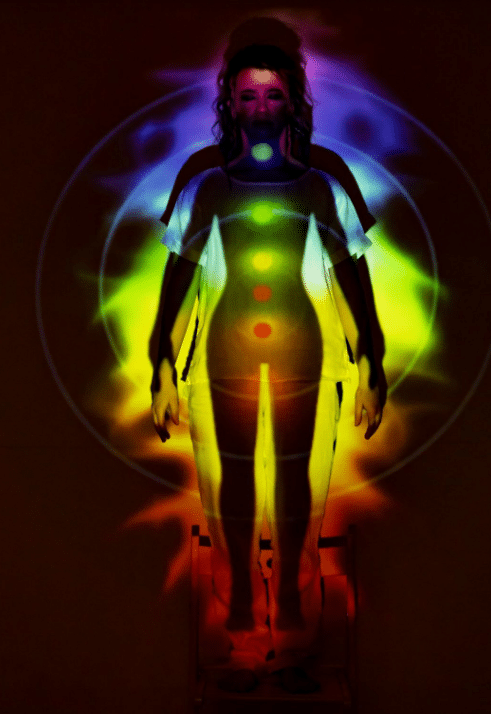
The energy centers that activate from the top of your head to your root are called chakras. Each of the seven chakras offer different opportunities to balance and engage with your recovery. 

Healing through movement 

You can use yoga, mindful movement, and connection with nature to open the lines of communication between body and mind. We have many programs that will support you in making these connections. 

Breathing into your being 

The breath is the thread that connects your internal self with the outside world. You can use breathwork and meditation to deepen that work and facilitate healing of the stored energy that’s disrupting your healing today. 

If you’re ready to reconnect and empty out those emotional reserves holding back your holistic recovery, we’re here to help however we can. Connect with us today to learn more about our programs by calling (866) 950-0643.


Categories
Wellness

The Power of Unconditional Positive Regard

Good therapists, parents, teachers, healers and friends all share a secret: they understand the power of Unconditional Positive Regard. That’s why we like to be around them, why we feel safe and good when we’re with them.

Unconditional Positive Regard is a magic potion for the soul, and it is one of the faces of love. 

The phrase itself comes from Carl Rogers, a renowned psychologist whose philosophy of therapeutic relationships has been very influential. Rogers helped articulate why it is that for clients, just to be witnessed in an unconditionally accepting, friendly way is healing in and of itself. 

Responding to an era in which many psychologists were trained to hold a very distant and analytical stance towards clients, Rogers argued that therapists need to bring an aspect of warmth and human kindness to treatment, or no one will get any better. 

Many of us who are drawn to professional roles of service arrive at the same conclusion, with or without coming into contact with Rogerian writings, just based on our experiences sitting in the room with people: platonic love is an important part of any healing relationship. 

This makes so much sense once we have understood that the cause of all psychological pain is disconnection, or missing warmth. 

When we have parts within us who are cut off through fragmentation and trauma from the inner sunshine of our own love, these parts take on semi-autonomous lives that erupt into the surface and cause problems. Healing comes from reclaiming all citizens of the psyche who have been split off and disowned, giving them love, belonging, and a seat at the table. 

If I am able to convey my attitude of Unconditional Positive Regard to you, you will feel a warm space encompassing you, in which you are free to share even those things that you yourself are unsure about or feel ashamed of. You will sense in your gut that you cannot be lowered in my eyes here, that I will always esteem you, just because. 

You know that I will see you in the kindest light, and that your shade is ok with me. This is possible because I do not mistake you for any passing quality of light or absence thereof, but understand you are the deeper, unchanging part underneath all that. 

Skeptics of the “love is all you need” approach like to point out that we should focus on reality, call a spade a spade. That’s true too. We need to acknowledge what is here, and admit that it is ugly, if it truly is. 

However, we don’t have to be unkind to ugliness itself by adding extra pain and alienation through judgment. Yes, it might be egotism, narcissism, or hatred here in the room with us. We might be causing long-lasting damage to others with our shadows. 

But that’s life. Judging things and moralizing, saying “It shouldn’t be this way” doesn’t actually make unwanted sides of a human being go away (in fact, just the opposite). Only acceptance creates the kind of environment in which problematic behavior can convert itself into a positive expression of itself.

When someone sees the best in us, they see that our worst traits have an aspect of goodness in them. They see things we are addled with for the life-preserving attempts they are. They see our needs, the limited options we had, how we made do with the lack of love, and survived anyway.

Unconditional Positive Regard loves all of psyche’s creations in abundant measure. It knows all humans, including therapists, have great and terrible shadows. And that the deathless luminosity of anyone’s inner radiant sun can incinerate us all with its powers of love. Such is soul.

Rogers helped provide rationale and language for a truth within psychotherapy, which is that when we offer Unconditional Positive Regard as a background hum to all situations, troubles have a way of melting open, giving up their burdens to be seen, and softening away from stubborn stances of opposition. In my opinion, it is not only a tool for building trust in therapy, but an attitude for life.

The world we have around us now is the world we got by judging, shaming, rejecting, moralizing, criticizing, blaming and withholding love from ourselves and others. I’d like to see what the opposite world looks like, how about you? 

It is my sincere belief that a new earth can be built, atom by atom, with Unconditional Positive Regard. 

Accessibility Toolbar

Exit mobile version