
Categories
Mental Health

Women and Mental Health

There is a toxic stigma surrounding women and mental health issues. This stigma often prevents women from speaking about their struggles or reaching out for help.

This can cause some women to turn to substances to relieve their pain, which can lead to dangerous health consequences and the development of addiction.

Women are no strangers when it comes to mental illness. But that doesn’t make the relationship between the two any easier. There are difficulties when it comes to diagnosing mental health disorders and social stigmas attached to doing so. Even more so to those who seek treatment. And, sadly, many women know that something is wrong but feel like they have too many responsibilities that getting help just doesn’t seem feasible. 

In this article, we’re exploring the relationship between women and mental health.

Women and Mental Health: What the Statistics Say

Looking at the numbers, you will see that more than one in every five women has experienced a mental health condition within the last year. And many of the mental health conditions that plague women, including depression, anxiety, and bipolar disorder, affect women at a much higher rate – and in a different way – than they affect men. 

In addition, 46.6 million adults in the U.S. in 2017 were treated for mental illness. The percentage of those who were women was nearly 50% higher than the percentage of men, according to the National Institute of Mental Health (NIMH). 

But, that’s not all. Here are a few more statistics from the NIMH:

  • More women receive mental health services than men, 49.7% and 36.8% respectively. 
  • The prevalence of serious mental illness is greater in females than males, 6.5% and 3.9% respectively. 
  • Women who are exposed to violence are 3 – 4 more times likely to suffer from depression. This includes those who are exposed to sexual abuse as children, abusive partners, and or other types of sexual or violent abuse, according to the World Health Organization (WHO). 

Things that Affect a Woman’s Mental Health Treatment

Women are intricate beings. They have a lot riding on their shoulders every day and a desire to show they can handle it. So any intrusion of a mental health concern makes things a bit, well, tough. There are certain things in their lives that cause them to just push it aside as best as possible or find alternate ways of dealing rather than seeking treatment. These include: 

  • Many women, especially those with a lower socioeconomic status, tend to not have access to the necessary healthcare. 
  • Women tend to be the main caretaker for children, as well as elderly parents. This makes it more difficult to schedule treatment. 
  • Women are usually the ones on the receiving end of things like abuse or violence, sexual or otherwise.
  • Personal safety concerns also halt women from seeking help, especially in situations where there is another adult maintaining control.

Though, while these are just a few of the things that impact mental health treatment for women, it is important to point out that women do tend to have at least one friend that they can confide in and voice concerns. While it is not the professional help that they need, speaking up about mental health is a very good first step. 

Women and Mental Health: The Stigma

There is a toxic stigma surrounding women and mental health. Self-image is huge for women, which means being seen as “weak” or “flawed” due to a mental illness is not acceptable. Unfortunately, it is for this reason alone that many choose not to address their concerns about their mental health. 

Covering it up or self-medicating on their own is viewed as the better option. Although, we all know that is just not the case. Learning to cope with mental illness means being strong enough to accept that it is there, address it, and get the help you need. 

More and more, celebrities and others in the limelight are coming forward with mental health issues in an attempt to reduce the stigma.

Most Common Mental Health Issues Faced By Women

Women can be diagnosed with any mental illness, but there are a couple that seems to impact women at a much higher rate. These include: 

  • Depression
  • Anxiety
  • Eating Disorders
  • Body Dysmorphic Disorder
  • Bipolar Disorder
  • Borderline Personality Disorders
  • Substance Abuse

Comorbid Conditions

Many times women use substances such as drugs or alcohol to deal with their other mental health conditions, such as depression, anxiety, etc. These drugs or alcohol are used as a means of self-medicating. Unfortunately, what happens quite often, is that after a while, more is needed to help curb the symptoms. This cycle will continue on until addiction is formed. 

Some professionals believe that substance abuse that may have started with a glass of wine in the evenings to unwind may lead to mental health issues, such as depression or anxiety. 

Researchers have long questioned whether mental illness or addiction came first. And they are learning that either may appear first and the other results from it. 

Concerned About Your Mental Health?

If you believe that you may be suffering from a mental health condition or need to talk to someone, then it is important to seek help immediately. Talking to your family doctor is a great place to learn of the resources available to you. 

The National Alliance for Mental Health has a website that is full of resources you may find helpful. The more you learn and the more you stay connected and find support, the greater chance you will have of finding relief and joy again in your life. 

It is always worth noting that the National Suicide Prevention Lifeline is (800) 273-8255. Of course, if you feel that you are at risk of causing harm to yourself or others, contact 911 immediately. 

Empower Yourself

As women – and human beings – knowledge makes us stronger. The more we learn about mental illness and talk openly about it, the easier it will be for us to come forward when we feel like we need extra help. It also makes it easier to spot the signs in those that we love. 

Educate yourself on mental health and remove the stigma, ladies. Together we can break any and all barriers.  

Categories
Self-medication

What is Self-Medication?

Using the term “self-medication” has become increasingly popular in the way that we talk about and understand the challenges in addiction that we face. We may have even heard the term used to describe our favored survival strategies and the way that we engage with our emotions. But what does it mean, and what can we learn from this way of understanding ourselves? Today’s blog will discuss self-medication, what it means, and what you need to know. The Cycle of Self-Medication Begins You’re agitated. Something’s gotten under your skin, and the solution feels just out of reach. Maybe there’s no escaping from the grief, anger, or sense of loss piling up. Maybe what you’re facing is a time-sensitive challenge, where you must wait on something (or someone) else to achieve relief from the difficult emotions you’re experiencing. But there, just there in front of you, there’s something in reach. For some, it’s food—ice cream, chips, a favorite meal. For others, perhaps they lean into social media, drink, or substances to take the edge of the unattainable relief they’re seeking. Using a tool to support your needs in the interim of a feeling or experience isn’t always an issue. When you use it to avoid or assuage that discomfort instead, it almost always is. This is self-medication, and the cycle of dependency it creates can be deeply damaging to your well-being or derail your recovery. What does it mean? The term self-medication came about as a medical nod to patients who avoided their doctor’s advice, whether to avoid, enhance or supplement the treatment they’d been prescribed. In some forms, this led to antibiotic-resistant bacterias, and in others, it’s created chronic health conditions from temporary ailments. In the mid-’80s, the evolution of the meaning of self-medication turned it into a powerful reframe for our behavior. It became acknowledged as a coping tool, which is universal and understood easily enough, since coping with the things we face is a struggle we all encounter. To journey through the darker moments, we seek relief. However, knowing where to find it can feel like entering a labyrinth of pain and confusion. Self-medication became the term for all the cheats we employ to tolerate our existence in that labyrinth, not moving or progressing, but simply halting the mounting stress of trying to find our way out. Types of Self Medication Food Emotional eating often feels harmless at first—comfort food after a hard day can be a soothing choice. This isn’t self-medication. However, when eating those foods becomes a salve for confronting the struggle of your experiences, you’re entering more dangerous territory. Your ability to choose other coping skills declines as you require the medicine (food) on a more primal level. In this case, your comfort foods move from operating as a helpful coping tool towards a more unhelpful one. This becomes emotional eating, a self-medicating practice that makes it difficult to differentiate between hunger cues and emotionally charged ones. Alcohol So quickly, alcohol can become a numbing agent for the things in life you find difficult to process. Once a couple of drinks on a night out leaves you longing for that feeling of carelessness they offered, it’s all too easy to slip into the daily habit of unwinding with drinks and leaning into them each time the stress of life becomes a bit too much to bear. Even more problematic alcoholic behaviors can begin in benign ways, like unraveling the stress of a rough week. But when the allure of self-medicating with drink becomes more influential than your self-preservation skills, it’s time to ask for support. Marijuana Often touted for its varied uses, marijuana is said to be a non-habit-forming natural alternative to many more dangerous drugs. While there are plenty of beneficial applications of marijuana, it is too frequently exchanged for emotional clarity in navigating difficult situations. Self-medicating with marijuana begins when you require its presence as a sleep aid or a comfort to be able to confront the things you face each day. Although not physically addictive, marijuana can worsen depression and perpetuate a cycle of helplessness in those who self-medicate with it. Stimulants As the most widely varied category of self-medication, stimulants may be a nod toward utilizing tea or coffee to help you power through a tight deadline or a more sinister tailspin into hard stimulant drugs like cocaine or amphetamines. On the milder end of the stimulant scale of self-numbing, you may feel more productive or capable. Just because coffee, tea, or soda are widely accepted and have health benefits of their own doesn’t mean they cannot be abused. If you find yourself unable to function without these things, you’ve likely slipped into an addiction mindset with your self-medication. The off-label use of amphetamines, or outright abuse of cocaine, is a more clearly defined nod toward the risks of self-medication in that there are no benefits to their use beyond the euphoria they induce, which certainly doesn’t negate the cardiovascular risk they pose. Opiates Prescription opiates and opioids like Percocet or Dilaudid are prescribed for heavy pain relief after traumatic injury or invasive medical procedures. These highly addictive drugs have a myriad of valid clinical applications, but their use when not under the direct care of a physician can create a dangerous risk. All produced from the poppy plant, these drugs bring with them a risk for addictive behaviors and worsened depression. Opiates are one of the most commonly abused categories of drugs. If you find yourself navigating life, leaning on a treat or a tool as a crutch to justify avoidance, or your relationship with something that once felt good has become a spiral you’re not sure you can control, you may be self-medicating. Removing those crutches may feel terrifying, but you are capable of anything, even when it’s hard. At Villa Kali Ma, we are here to help guide you back to self-healing when you’re ready.Using the term “self-medication” has become increasingly popular in the way that we talk about and understand the challenges in addiction that we face. We may have even heard the term used to describe our favored survival strategies and the way that we engage with our emotions. But what does it mean, and what can we learn from this way of understanding ourselves? 

Today’s blog will discuss self-medication, what it means, and what you need to know. 

The Cycle of Self-Medication Begins

You’re agitated. Something’s gotten under your skin, and the solution feels just out of reach. Maybe there’s no escaping from the grief, anger, or sense of loss piling up. Maybe what you’re facing is a time-sensitive challenge, where you must wait on something (or someone) else to achieve relief from the difficult emotions you’re experiencing. But there, just there in front of you, there’s something in reach. 

For some, it’s food—ice cream, chips, a favorite meal. For others, perhaps they lean into social media, drink, or substances to take the edge of the unattainable relief they’re seeking. Using a tool to support your needs in the interim of a feeling or experience isn’t always an issue. When you use it to avoid or assuage that discomfort instead, it almost always is. 

This is self-medication, and the cycle of dependency it creates can be deeply damaging to your well-being or derail your recovery. 

What does it mean? 

The term self-medication came about as a medical nod to patients who avoided their doctor’s advice, whether to avoid, enhance or supplement the treatment they’d been prescribed. In some forms, this led to antibiotic-resistant bacterias, and in others, it’s created chronic health conditions from temporary ailments. 

In the mid-’80s, the evolution of the meaning of self-medication turned it into a powerful reframe for our behavior. It became acknowledged as a coping tool, which is universal and understood easily enough, since coping with the things we face is a struggle we all encounter. To journey through the darker moments, we seek relief. However, knowing where to find it can feel like entering a labyrinth of pain and confusion.  Self-medication became the term for all the cheats we employ to tolerate our existence in that labyrinth, not moving or progressing, but simply halting the mounting stress of trying to find our way out. 

Types of Self Medication 

Food

Emotional eating often feels harmless at first—comfort food after a hard day can be a soothing choice. This isn’t self-medication. However, when eating those foods becomes a salve for confronting the struggle of your experiences, you’re entering more dangerous territory. Your ability to choose other coping skills declines as you require the medicine (food) on a more primal level. In this case, your comfort foods move from operating as a helpful coping tool towards a more unhelpful one. This becomes emotional eating, a self-medicating practice that makes it difficult to differentiate between hunger cues and emotionally charged ones. 

Alcohol 

So quickly, alcohol can become a numbing agent for the things in life you find difficult to process. Once a couple of drinks on a night out leaves you longing for that feeling of carelessness they offered, it’s all too easy to slip into the daily habit of unwinding with drinks and leaning into them each time the stress of life becomes a bit too much to bear. 

Even more problematic alcoholic behaviors can begin in benign ways, like unraveling the stress of a rough week. But when the allure of self-medicating with drink becomes more influential than your self-preservation skills, it’s time to ask for support. 

Marijuana 

Often touted for its varied uses, marijuana is said to be a non-habit-forming natural alternative to many more dangerous drugs. While there are plenty of beneficial applications of marijuana, it is too frequently exchanged for emotional clarity in navigating difficult situations. 

Self-medicating with marijuana begins when you require its presence as a sleep aid or a comfort to be able to confront the things you face each day. Although not physically addictive, marijuana can worsen depression and perpetuate a cycle of helplessness in those who self-medicate with it. 

Stimulants

As the most widely varied category of self-medication, stimulants may be a nod toward utilizing tea or coffee to help you power through a tight deadline or a more sinister tailspin into hard stimulant drugs like cocaine or amphetamines. 

On the milder end of the stimulant scale of self-numbing, you may feel more productive or capable. Just because coffee, tea, or soda are widely accepted and have health benefits of their own doesn’t mean they cannot be abused. If you find yourself unable to function without these things, you’ve likely slipped into an addiction mindset with your self-medication. 

The off-label use of amphetamines, or outright abuse of cocaine, is a more clearly defined nod toward the risks of self-medication in that there are no benefits to their use beyond the euphoria they induce, which certainly doesn’t negate the cardiovascular risk they pose. 

Opiates

Prescription opiates and opioids like Percocet or Dilaudid are prescribed for heavy pain relief after traumatic injury or invasive medical procedures. These highly addictive drugs have a myriad of valid clinical applications, but their use when not under the direct care of a physician can create a dangerous risk. 

All produced from the poppy plant, these drugs bring with them a risk for addictive behaviors and worsened depression. Opiates are one of the most commonly abused categories of drugs. 

If you find yourself navigating life, leaning on a treat or a tool as a crutch to justify avoidance, or your relationship with something that once felt good has become a spiral you’re not sure you can control, you may be self-medicating. Removing those crutches may feel terrifying, but you are capable of anything, even when it’s hard. At Villa Kali Ma, we are here to help guide you back to self-healing when you’re ready.

Categories
Nutrition

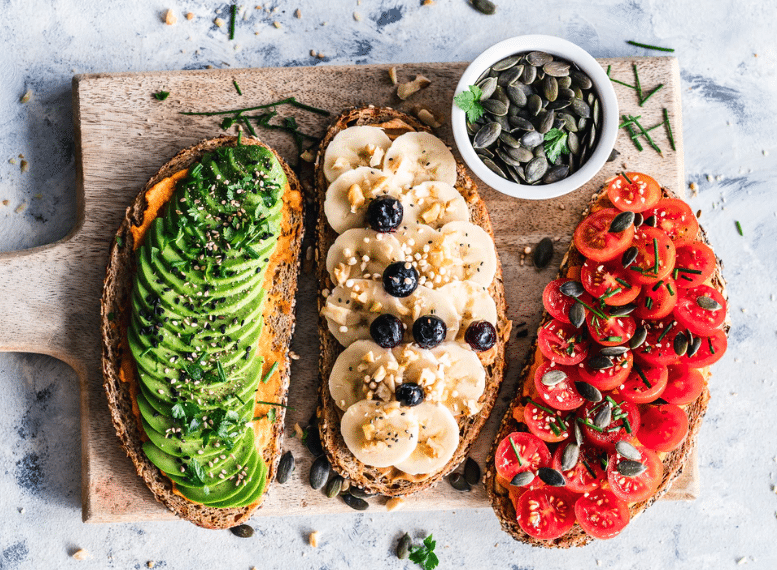
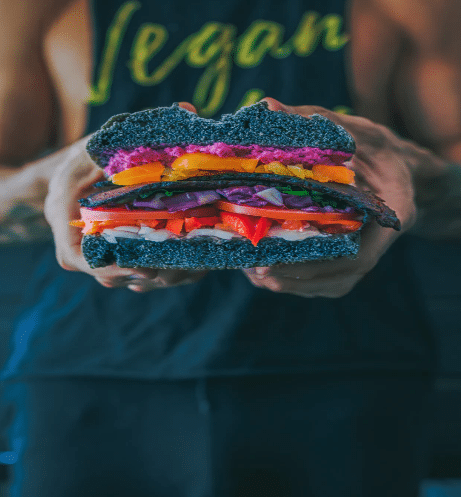
Vegan Diet and Mental Health

Your mental health matters- and trying to support that in the everchanging uncertainty of a global pandemic alongside the catastrophic beauty of day to day life can feel a little bit like looking for a diamond in the dark. From the food you’re eating to the socks you’re wearing and the way you’re moving your body, everything comes into question when you’re grappling with the ways you can improve your mental health and flourish on your own terms. 

While it’s been suggested that a vegan diet can help you maintain a healthy weight, reduce diabetes risk and pain, did you know it also has many benefits to your mental health? We’re here to help support your interest in Veganism, guide your transition and illustrate the ways you can transform your mental health with plants. 

Cultivate curiosity and compassion 

Plant-based diets are rooted in excluding animal products and byproducts from what you eat, and they can feel a little overwhelming to begin. While veganism itself doesn’t enhance or alter your nature, it certainly has a way of provoking inner change. From considering the repercussions of removing animal products (and byproducts) in your life to sourcing new ideas for meals and snacks, veganism invites you to engage your mind in new and creative ways. Being vegan offers you an opportunity to exercise compassion in the small details of your life. You get the chance to choose not to contribute to the animal-sourced food industry while making space for you to get curious about the options you will choose. 

In one fell swoop, your new vegan meals will ask you to think outside the box and help you to get excited about potential as you do. Whether you’re reimagining your favorite meals or finding new ones, your mental health will benefit from the exercise of engaging with your daily meals in the curious way we engaged in play as children. The compassionate choice not to involve animals in that is a warm hug for the heart and mind on top of that. 

Viva la vitamins 

A common refrain when someone hears you are vegan, or considering veganism, is concern for your vitamin, iron and nutrient intake. Much of our society cannot fathom a balanced diet that doesn’t rely on animal products, which is understandable as less than 1% of Americans are vegan. 

Whether it’s your own uncertainty you’re trying to combat, someone else’s or just a new awareness of your nutritional intake, adding multivitamins, probiotics and supportive supplements may be a byproduct of your new vegan lifestyle. As such, your body may experience a more balanced micronutrient profile than you have before. The more commonly supplemented nutrients, like B12, Folate and Omega-3, are an important part of supporting mental health and adding them into your routine alongside your new vegan diet can have positive benefits on your wellbeing. 

Great for gut health 

Vegan diets can help to stimulate a more productive microbial colony in your gut, creating a more productive environment for your body to collect and store the nutrients it needs to nourish you through every day. While a vegan diet on its own can’t create this change, the creativity and new protein sources drive a natural encouragement toward new and more diverse whole food choices. 

When the gut is happy, so too is the mind. The Gut-Brain Connection is the link between what you eat and how you think- and it’s largely undervalued. By eating a vegan (and likely more versatile) diet, you can enrich your body’s connection to the mind and support a more productive exchange of information. Given that the Gut-Brain connection has been shown to correlate with anxiety, this is great news for supporting your mental health. 

Eating a vegan diet isn’t a miracle cure that will make you live forever, help your skin glow or give you superpowers. It isn’t always easy and the surprising list of limitations may feel frustrating as you begin a new journey. However, the benefits of being vegan can touch every corner of your life, from physical to mental health, and expand beyond you to making a difference in the ethical use of animals by the food industry. Supporting a cause you believe in through the choices you make will always benefit your mental health overall, but the day to day is yours to consider and cultivate. 
Our residential program is one of the very few substance abuse treatment centers that provides vegan meals and an emphasis on nutrition as a part of our holistic programming. Connect with us today to learn more about the way that we do treatment differently. 

Categories
Wellness

How to Nurture Yourself

Often when we are hurting, we find ourselves reaching past the healing we need toward means of comfort and distraction. It’s easier to distract from pain than feel it, and that distraction can move swiftly toward indulgence that becomes something more. Walking a path of distracting instead of feeling and indulging instead of healing, is a treacherous journey that often leaves you feeling worse after every redirection. 

So where do you go from here? When your impulse is to distract or indulge, how do you make choices that look or feel better for your wellbeing? Is self-care the way forward or self-nurturance? Will it require more pain for you to make a different choice? 

What does it mean to nurture yourself?

To nurture yourself does not mean to make yourself comfortable. In fact, it often means the opposite. Nurturing is a way of caring for ourselves in the challenging moments as much as the ones that come easy. We nurture ourselves in the moments we are afraid and push through; we nurture ourselves when we pursue something that we aren’t sure we will succeed at. We nurture ourselves especially beautifully when we allow ourselves to sit in emotions that are messy or situations that are uncertain. 

Nurturing is the act of giving the whole self holistic care. Much like parenting is to a child, nurturing yourself is the persistent and compassionate belief in your ability to overcome. 

Self-care vs Self-nurture

The much-lauded practice of self-care is everywhere in one form or another. That bath? Self-care. A pedicure? Definitely self-care. Yes, read that book, watch that show, indulge in that chocolate- it’s self-care, after all. But self-care is so much more than we are often shown. It is not all easy, and it’s certainly not the indulgent picture painted so often in media. Self-care can be difficult, rigorous work. The acts of care that help us move forward and progress in the world—like rising to a challenge—is self-care just as much as taking a shower often enough to feel clean and productive. 

Self-care is the verb to the self-nurture’s noun. Care is what we do, and nurturing is how we frame our thoughts about it. We nurture our thoughts, our needs and our worth. We care for them too, but first, we must nurture them into the certainty that they are valid and deserve to take up space. Though we need self-care to self-nurture, we must learn to nurture before we can offer ourselves true care. 

Are you prone to self-indulgence? 

Ah, indulgence. To sink into the wanting instead of the needing, and allow yourself to truly know decadence. It’s something special to be able to appreciate the finer things in your world- from small brief delicacies to extravagant ones. 

When indulgence becomes a form of coping instead of confronting, it becomes a substitute for nurture and care. Emotional pain may be difficult or confusing to feel. Often, it’s not clear what we’re meant to do with those feelings, and as society sweeps the messy things under the rug, we may want to as well. Indulgence can be something benign like an extra show, an extra scoop, or an extra hour- or it can seep into substances or habits that can become dangerous. Indulgence may become addiction if it’s not curtailed when it moves past an occasional treat into a daily habit. 

Re-writing your healing 

Stepping into the uncomfortable spaces to shape the way you nurture yourself can be difficult, but you are more than capable. Spend some time with yourself, considering the ways you approach your inner child. Give yourself the space to think about what would feel best in a variety of situations or emotional experiences. 

What would feel best when you’re afraid? When you’re angry? How can you celebrate your wins? Where do you look for clarity when you’re confused? 

Focus on these feelings and the authentic places you react and then apply them. Listen to your intuition for what you need, and move toward the nurturing habits that will allow you to give yourself those things. 

Ways to shape your nurturing 

The hows of nurturing yourself are always going to be highly specific. Just like your fingerprint and your self-care, it’s entirely unique to you. Shaping the nurturance you offer yourself is a delicate dance of identifying the unconscious needs that drive your emotions and sitting with them long enough to hear what they’re really saying. 

You can shape your nurturing through: 

  • Meditation 
  • Journaling 
  • Inner-child care 
  • Affirmations 
  • Moving your body 
  • Practice radical honesty 

This list is by no means exhaustive, but it never could be. You are so beautifully unique that the chances for nurturing yourself will bend and extend as often as you do. No matter where you are on your healing or recovery journey, it is never too late to learn to nurture yourself, and we’re always here to help

Categories
Mental Health

The Link Between Stress and Mental Health

Stress is an everyday part of most of our lives. Just getting through life—dealing with work, kids, family struggles, financial issues, relationship hurdles, and more—requires some serious stress management skills. Often, it seems impossible for absolutely every area of our lives to be in perfect harmony all the time. 

So, how do we make it through? We deal. We find ways to deal with our stress enough so we can get through the day and do what we need to do to survive. But, is stress healthy for us? When does everyday stress become too much stress? And what can all this do to our mental health? 

Believe it or not, there is a link between stress and mental health, and in the face of stressful challenges, some women might turn to substances to cope. This can eventually lead to addiction and negatively impact your health. If you find yourself turning to substances for stress relief, it may be time to explore the benefits of joining a holistic healing program.

Chronic Stress

Daily stressors keep us on our toes. Deadlines at work, kid’s science fair projects, the family dog grubbing on the couch, and so forth. These moments add a little splash of cortisol into our bloodstream that gives us that added boost to get through whatever the stressor is. This is normal. And healthy, even. 

Chronic stress is an entirely different thing. During these times, stress levels are high, and they remain high—constantly. Maybe it is due to a bad relationship or dysfunctional marriage. You could be unhappy at your job, dealing with a dire financial situation, have an out-of-control teenager, etc. Any one of these things can lead to chronic stress. Put a couple of them together and you will likely find yourself heading for some serious health issues. 

In fact, chronic stress has been known to lead to things like obesity, diabetes, heart disease, a weakened immune system, and even cancer. It doesn’t stop there, though. Chronic stress also leads to mental health issues. 

The Connection

For years, mental health clinicians and researchers have been convinced that there exists a link between stress and mental health. Patients would seek help and would be bogged down with all these major issues in life – or, at the very least, a lot of compounded small ones. They would find themselves unable to get out of bed in the morning, even after happy or expected life transitions. Depression, anxiety, panic—all of these things were making their way into the lives of these stressed-out patients. But no one could prove why until now. 

As researchers have studied the brains of those with stress disorders (including PTSD) and those without, they have found one main difference—the brain of those with stress disorders has a higher ratio of white matter to gray matter than those who don’t. 

So, people who have chronic stress tend to have more white matter. What does that mean? Today’s blog is an important exploration of the scientific connection between these topics. To learn more, get ready for an in-depth look at the brain. 

Gray Matter and White Matter

Gray matter is commonly found in the brain, and it is made up of two types of cells: neurons and glia. Neurons have the job of processing and storing information. And glial cells support them.  

White matter, on the other hand, is made up of axons, which work to form a network of fibers that connect these neurons. White matter is referred to as such because of the white, fatty covering of “myelin sheath” that acts as insulation for the nerves. This white matter actually increases the transmission speed of signals between the cells. 

Researchers wondered – could the cells that produce this white myelin coating be impacted by stress, thus creating more myelin and leading to more white matter? 

The Hippocampus

Your brain has a hippocampus that handles all your emotions and memories. Researchers studied this in rats and found that something different was happening with the neural stem cells found there. It was always understood that the neural stem cells will eventually become a type of glial cell (gray matter). Though the more researchers did experiments, the more they were able to discover that – under stress – the cells became a different type of glial cell – oligodendrocyte – one that is myelin-producing. 

The findings have led researchers to determine that chronic stress leads to more myelin-producing cells and fewer neurons, throwing off the balance in the brain, disrupting the communication between brain cells, and even leading to mental health issues. 

Oligodendrocyte Cells and Mental Health

This brings us to these oligodendrocyte cells. Since they are the ones that fill up the white matter in the brain and lead to mental health issues, they require a more in-depth understanding. What are they? How do they work? 

Neurons are necessary for learning and memory skills. When the communication is disrupted, then there are red flags for cognitive functions. The more chronic stress is allowed to take over, the more issues will arise with the transmittal of information. 

It is very clear that all of this is impacted due to the changes caused by chronic stress within the brain. Researchers are still in need of more studies – and those focused on humans rather than rats – to gain a full understanding.

Chronic Stress, Mental Health, and the Brain

Our mind is incredible and it can do some miraculous things. But when we overload it with stress at a too-constant level, things can happen – as evident with all these new findings. Sadly, the more stressed we get, the more we risk dealing with mental health and cognitive issues, and we often turn to negative vices for relief. As a result, we may be doing even more harm. 

Our interconnected body needs to be able to function healthily as a whole. And that means that when it comes to finding stress relief and healing, we need to treat the entire body — not just the symptoms or some of its parts. After all, chronic stress has thrown everything off-balance in the brain.

Finding Balance

Our bodies and minds work in balance. So whether you are dealing with chronic stress, addiction, a mental health disorder, or any combination of the two (or more), everything needs to be addressed to bring the body back in balance

Stress is not going to go anywhere, but learning how to handle it and making changes where we can reduce its impact can also reduce the chance of mental health issues arising. 

Stress is a normal part of life. However, a constant state of stress can have a negative impact on your mental health and even lead to substance abuse and addiction. If you or someone you love has turned to substance abuse as a way to ease stress, help is available. Learn more about the benefits of joining a holistic healing program today.

Categories
Trauma

Trauma and Addiction: An Unfortunate Connection

Addiction happens for many different reasons. But, all too often, there is something deeper below the surface – most often trauma – that draws an individual into a life of substance abuse. 

Whether your trauma stems from something that happened in childhood or as an adult, the mental and emotional impact of these events can be powerful – and they don’t just disappear. That is why many who have suffered through trauma turn to substance abuse as a means of self-medicating or coping. Unfortunately, addiction follows. To break this cycle, both the addiction and the trauma need to be addressed. 

What is Trauma?

According to the American Psychological Association (APA), trauma is “any disturbing experience that results in significant fear, helplessness, dissociation, confusion, or other disruptive feelings intense enough to have a long-lasting negative effect on a person’s attitudes, behavior, and other aspects of functioning. Traumatic events include those caused by human behavior (e.g., rape, war, industrial accidents) as well as by nature (e.g., earthquakes) and often challenge an individual’s view of the world as a just, safe, and predictable place.” 

A few common traumatic events are: 

  • Bullying
  • Car accidents
  • Fires
  • Domestic violence
  • Sexual assault or rape
  • Verbal/emotional abuse
  • Parental neglect/ unstable home life
  • Natural disasters
  • Chronic medical issues or pain

Immediately following trauma, feelings of shock, denial, and even anger are quite common. But, the impact of trauma will extend much further than just today, tomorrow, or next month. In fact, the impact of trauma can last a lifetime — especially if it is not appropriately addressed and treated. 

Some long-term effects of trauma are: 

  • Broken or strained relationships
  • Headaches
  • Flashbacks
  • Out of control emotions
  • Nausea

According to the Substance Abuse and Mental Health Services Administration (SAMHSA), traumatic events are experienced by at least 51% of women and 61% of men at least once in their lifetime. 

Childhood Trauma

Childhood trauma is one type of trauma that many people feel the effects of, but many don’t even realize why. Sometimes things happened in the past that we actively repress and try to forget, and others, we have allowed our subconscious mind to push the painful memories aside without our conscious awareness. Regardless of how we have tried to help protect ourselves from these painful memories, childhood trauma is powerful. And it can impact survivors for a lifetime if not addressed. 

Childhood trauma, according to the Center for Child Trauma Assessment, Services, and Interventions, is “a scary, dangerous, violent, or life-threatening event that happens to a child (0-18 years of age). This type of event may also happen to someone your child knows and your child is impacted as a result of seeing or hearing about the other person being hurt or injured.”

Trauma Symptoms: Behavioral and Psychological

Whether you have experienced childhood trauma or a traumatic event in more recent years, the behavioral and psychological impact is still there. And, believe it or not, there are many short-term and long-term symptoms that can occur. It is important to remember, however, that trauma is very personal and it affects each person differently. 

Here are a few behavioral and psychological symptoms of trauma

  • Chronic irritability and aggravation
  • Fear and nervousness – even when it seems unfounded
  • Avoiding things that are reminiscent of the trauma
  • Uncontrolled – and excessive – emotions
  • Shy, social awkwardness
  • Lack of confidence
  • Major mood swings
  • Replaying the traumatic event over and over

Impact of Trauma on Life

Trauma can impact all areas of your life. It may have been something very personal that happened — and there may not be another soul on this planet who knows about the trauma. But the internal damage that the event/s caused can severely and negatively impact all areas of your life. 

Your work/career/professional life can be affected by your trauma. That’s right – it can follow you into the workplace. It controls how you relate to others, the level of trust you have, how you handle adversity and responsibility, and more. 

Relationships and friendships are also impacted by the lasting effects of your trauma. Again, trust issues play a big role in disrupting relationships. Understandably, intimacy can also be especially tough for those who have experienced sexual assault, abuse, or trauma. Overall, confidence, self-worth, sexual identity, unhealthy boundaries, all seem to surface. 

Living a quality life dealing with these effects of trauma can be incredibly difficult. 

The Link Between Trauma and Addiction

Now that you have an idea of just how powerful trauma can be — and how great of a hold it can have on your life, it is easier to understand how the search for relief can lead someone down the road to addiction. Whether it is the right or the wrong answer, the substance provides a moment of relief from the horrific trauma symptoms. 

It is usually never the intention of the individual to use a substance as a means of coping with the heavy emotions from trauma. But it is the lack of healthy coping skills that can allow the unhealthy coping skills to take over. And this momentary reprieve brought by drugs or alcohol abuse can very easily turn into a compulsion or habit and, eventually, an addiction. 

Trauma that is left untreated can lead to Post-Traumatic Stress Disorder (PTSD). And both can make life rather difficult. Before you know it, treatment needs to be sought for both – the addiction and the trauma. 

Approach to Treatment

As you can tell, the effects of trauma don’t just disappear. They require you to work through them, slowly learning how to cope with the effects of the trauma. This means addressing the event itself and any triggers that may go along with it. And while you can’t just erase, you can learn to handle what happened to you — without having to turn to a substance to do so. 

Learning about habits and addictive behaviors, as well as how to manage your addiction is also crucial for a successful recovery. So, in other words, these situations can only be handled in a treatment program that addresses both issues.

If you find yourself dealing with addiction and an underlying trauma of any type, your best course of action is to seek a holistic women’s treatment center that will help you find healing for your whole body. 


Categories
Addiction Treatment

Stress and Addiction: What You Need to Know

Life is stressful. It doesn’t matter whether you are single or have a family, work as a grocery store clerk or a CEO, have enough money to pay your bills or live paycheck to paycheck., etc. Life is stressful for everyone. Sure, there are times in life when stress increases. Maybe it’s the loss of a job, a broken relationship, the terminal diagnosis of a loved one, etc. It happens. And it is all part of life.

There exists a connection between stress and addiction. It once was thought using a substance a few times can lead to addiction. And, while it can, stress can lead to addiction, too. 

The Dangers of Too Much Stress

First, let’s talk about how the body reacts to stress. When life gets really stressful, you may feel the physical aspects associated with the stress – and that is because there is so much more going on within the body.  The response comes from your nervous system, endocrine system, immune system, and cardiovascular system. Short-term feelings of stress can result in rapid heartbeat, sweaty palms, and pounding headaches. In the long run, however, high blood pressure, insomnia, back pain, gastrointestinal issues and more can stem from stress sustained over a long period of time. 

See, when you are stressed, your body releases cortisol. This is the boost that is meant to help you deal with the stressful situation. However, when you have chronic stress in your life, the constant elevated level of cortisol can be harmful over an extended time. This leads to a great number of health issues. 

  • High blood pressure
  • Tension/migraine headaches
  • Vascular inflammation like coronary arterial disease
  • Chronic fatigue
  • Obesity
  • Diabetes
  • Gastrointestinal problems
  • Sexual reproduction problems
  • Musculoskeletal problems, such as back pain
  • Increased risk for heart attack and stroke

Stress has an incredible physical impact on the body that can lead to a lifetime of damage if not addressed — and not learned how to be dealt with properly. 

The Relationship Between Stress and Addiction

Think, for a moment, of those addictions that require treatment programs, such as rehab facilities and support groups, but don’t involve a substance. For instance, things like gambling, shopping, sex, online, food, etc. are all examples of things that people become addicted to, but they are not a substance. We call these process addictions.

What does this mean? Well, it means that the perception that people get addicted because a substance itself is magically addictive may not be so true after all. Perhaps there is a deeper reason – one of which is the link between stress and addiction. 

Some researchers believe that there is a link between the stress hormone cortisol and the feelings associated with using a substance. But we do not even need to get that deep to see the connection between stress and addiction. It boils down to the way our brain handles certain life stressors. Some areas of the brain lead to greater susceptibility when it comes to addiction. 

We put our brains in a vulnerable position when we encounter repeated stressful (most often negative) events in life. However, it is important to note that different types of abuse, as well as mood disorders and anxiety disorders, can lead to the same response. 

Our physical actions and how we handle stress also impact addictions. Chronic stress requires a set of healthy, readily available means of managing it, otherwise known as coping skills. Yet, so many of us turn to substances to handle stress. You may spend an evening drinking your cares away. You may seek out various substances as a means of escaping for the day. But once the substance wears off, then more is needed. The stress was never dealt with and then the relief from the substance is no longer there. Since it felt so good, more is needed to keep that peaceful feeling. These cyclical patterns can very easily lead to addiction. 

It is important that we point out that substance abuse can lead to stress, too. Which can make it all a very damaging cycle if it is not addressed appropriately. Things like health issues, financial issues, unstable families, relationship issues, and more can result from addiction and put more stress and strain on one’s life. 

The Power of Stress Management

The best way to handle stress so that it reduces the chance of addiction is to learn tips and tools of stress management. Don’t choose another hit or another drink. The more you do, the more dangerous it may be. Instead, choose healthy ways of managing your stress. These include: 

Exercise. When you feel stressed or anxious, get your body moving. Go for a walk or run. Join a kickboxing class. Ride your bike. Exercise is one of the top natural ways to help your body deal with stress. Not to mention that breathing the fresh air when exercising outside can also feel good. 

Eat a well-balanced diet. Eating foods that are highly processed, full of sugar, chemicals, and additives can impact your body negatively and make it harder to feel in control of it. Eat a healthy diet full of whole foods, leaving the processed junk out. Your mental clarity will be stronger and your stress will be easier to manage. 

Sleep well. Stress requires sleep. With all that cortisol, your body is on overload. Give it rest – good, quality rest – to help you face the new day. 

Finally, if you find yourself dealing with stress and battling an addiction, then it is important you seek treatment. This should not be from just any facility, but one that practices the whole-body wellness of women. Stress management tools should be taught and ways to handle everything life throws at women today should always be part of the program. 

Life is full of stress. It’s not going to go away. So being equipped to handle it properly is the best way to a healthy future.

Categories
Wellness

11 Self-Care Ideas for Women

If we don’t care for ourselves, who is going to do it? Relying on anyone else to care for us, give us what we need, or make us feel whole and complete will never work. 

If you want to truly learn how to love yourself and fill yourself up with self-worth and empowerment, then you need to start practicing self-care

In this article, we’re going to share several self-care ideas for women.

Self Care Ideas for Women

We can easily take ten minutes each day to show ourselves some self-care. The idea is to find something that brings you comfort and just makes you feel good — and make a point to do it daily. The great thing about self-care is that it doesn’t have to be anything extravagant. And it doesn’t have to take up hours out of your day.

We spend so much time thinking about everyone else that it can be hard to even think of something to do to take care of ourselves! So, to help you out, we’ve put together a list of 11 self-care ideas for women. 

Here are 11 self-care ideas for women.

1. Say I’m Sorry – to Yourself

Forgiveness is powerful and can rebuild and strengthen relationships. And when we let things go, we free ourselves. Unfortunately, we always find it easier to forgive others rather than to forgive ourselves. Today, give yourself permission to say, “I’m sorry!” For everything. Or anything.

2. Have Coffee With Someone

As humans, we need connection. This doesn’t have to be anything formal. Simply meet a friend and connect over coffee (virtually or in person, according to your comfort level). This doesn’t mean sit and chat about the weather, but take the conversation deeper where you can start to open up and get to know one another on a meaningful level. This type of connection feels good. 

3. Go for a Walk

We are not talking about going for a long walk or a fast-paced walk or even a jog. Simply strolling through your neighborhood or the park is a good way to get the blood flowing a little while breathing in fresh air, soaking up the vitamin D from the sun, and so on. A 10 or 15-minute walk is all you need to transform your day and breathe life into stagnation. 

4. Buy Yourself a Bouquet of Flowers

We all love flowers. There is no reason why we should ever wait for someone to bring us flowers. If having a fresh bouquet of flowers sitting on your dining room table makes you smile every time you see them, then buy the flowers. Treat yourself to this small indulgence. You deserve them and all the smiles they bring. 

5. Dance

In your room, turn on some feel-good music and dance. Let it out. Whether you want to waltz or booty shake, just let the music carry you away. Maybe even consider creating a playlist that is an instant mood-booster that you put on your headphones and go to town dancing. This can make you feel so good in so many ways. 

6. Read a Book

Reading is one of those peaceful things that are nearly always available to you, but not always on the top of our to-do list. If you are like most women, you have a list of books you would love to read, but never have the time, right? Make the time. Make it part of your self-care routine. Even if it means only reading one chapter a day or setting a timer and only reading for 10 minutes – do it. This even works really well when reading self-help books that can help you grow. 

Not much of a reader? No problem. Audiobooks are fantastic ways to get the benefits of a book without having to read!

7. Take a Bubble Bath

Escaping the real world some days sounds so enticing. But, let’s face it – it is not realistic. We can’t just disappear. Unless, you disappear in a bathtub full of bubbles! Light a candle, fill up the tub, turn the lights off, turn on some relaxing music, and soak. 

Let the hot water melt away all the heavy worries, burdens, and stresses you carry. 

8. Write an “It’s Done” List

When you write a list of all the things you have to do, life can suddenly feel so overwhelming. Even more than normal. Seeing those tasks in black and white is too much. So why not ditch the to-do list and start looking at the glass half full? 

Write an “it’s done” list of all the things you have accomplished. This might include tasks you have completed today or this week or it can be all the things you have already accomplished in life. 

9. Write Yourself a Love Letter

Keep a journal of letters to yourself. Spend a few minutes looking at yourself, your life, your day — and write yourself a love letter. Praise yourself for things you did and offer encouragement for things that maybe didn’t go so well. Keep it positive.

Do this regularly and watch how you become your biggest cheerleader. 

10. Turn Your Phone Off

Our phones can be so distracting. In fact, it is hard to even have thoughts to ourselves without hearing a chime or a ding notification. Turn your phone off or put it on “do not disturb” for an hour or so. No calls, no texts, no emails, no social media. Just enjoy the uninterrupted time. 

11. Watch the Sun Rise

Waking up early – when it is still dark outside – and watching the sun rise above the horizon with its breathtaking views can help, in some way, to bring perspective to life. It reminds us that the world is so much bigger – and that we are just a tiny little part of it. Our problems and struggles that we feel are enormous, are really not so big after all. 

And, if that isn’t a bit of self-care, then we don’t know what is. 

Try these tips for self-care or find some more on your own. Lots of people have ideas for engaging in self-care or you can choose something on your own that will make you feel good. The point is to find something and do it. Treating yourself well is one of the first steps toward finding whole-body wellness and balance in your life – and in recovery. 

Categories
Wellness

The Health Benefits of Journaling

There are several profound health benefits of journaling. Every minute of your day is used in the manner you choose, whether you think you have control over it or not. Today is based on a series of events and actions that have taken place in the past and have landed you right here, right now. Maybe you made some good choices that you are proud of. Maybe there were a few poor decisions that had a great impact on your life. Or maybe you were dealt a tough hand from the very beginning of your life. 

The thing about gratitude is that it can still impact your life in incredible ways from the place where you are standing at this very moment. It doesn’t matter where you’ve been or where you are going. It is life-changing in this moment.  In this article, we’re taking a closer look at the health benefits of journaling.

What is Gratitude?

Gratitude means being grateful or thankful. It means being able to show compassion and kindness and care toward others, toward yourself, toward a higher being, or toward life in general. A definition of gratitude needs to include appreciation – such as the appreciation of all the goodness in your life despite the hardships, struggles, and other negative aspects. There is always good to be found and those who practice gratitude can often find it. And, being thankful for that small piece of good can have a huge impact on your overall quality of life. 

The Importance of Practicing Gratitude

Getting in the habit of practicing gratitude means that you will soon find your body and mind are feeling the benefits. It is true — gratitude can bring positive changes and transformation that you may have never otherwise imagined. These include: 

Better overall mental health. You will find that toxic, negative emotions will begin to be outweighed by positive, happy emotions. In fact, many research studies have shown that feelings brought on by gratitude reduce depression. 

Improved physical health. Studies show that those who regularly practice gratitude are more likely to care for their overall health and live longer lives. 

Better sleep. Keeping a gratitude journal by your bed and jotting down a few things you are thankful for before going to sleep leads to better quality sleep. 

Decreased aggressive, angry emotions. When you learn to look at the positive aspects of every situation, you begin to adjust your focus. This results in a reduction of negative emotions such as anger and aggression and replaces them with feelings of happiness, empathy, and even sensitivity.

Greater self-esteem. Gratitude helps you view everything in a more positive light – including yourself. You will find that the more you practice gratitude, the easier it will become to appreciate others and yourself. And, let’s face it – when your self-esteem begins to soar, so will you. 

A reduction in stress. When you can truly see that there is goodness, you are no longer allowing yourself to get worried or worked up about things you cannot control. Guess what? You can control your ability to find gratitude in every moment. 

How Keeping a Gratitude Journal Can Help

Practicing gratitude is one of those things that we know we should do – and need to do – but we don’t always find it so easy. We may have very good intentions, but in the middle of a tough moment, there is a low likelihood that you will stop and say, maybe I should take a moment to look at the things I am grateful for. Sure, it’d be wonderful if you could do this, but most of us are not wired that way. We need to get in the habit first. We need to practice. The more we do, the more we will find ourselves looking for that silver lining in every situation. 

This is why a gratitude journal can help. It is a way of making your mind focus on the things you are grateful for every day. No, you may not stop in the middle of an argument to reflect on gratitude, but at the end of a rough day, you can look back over it and find things to be grateful for. 

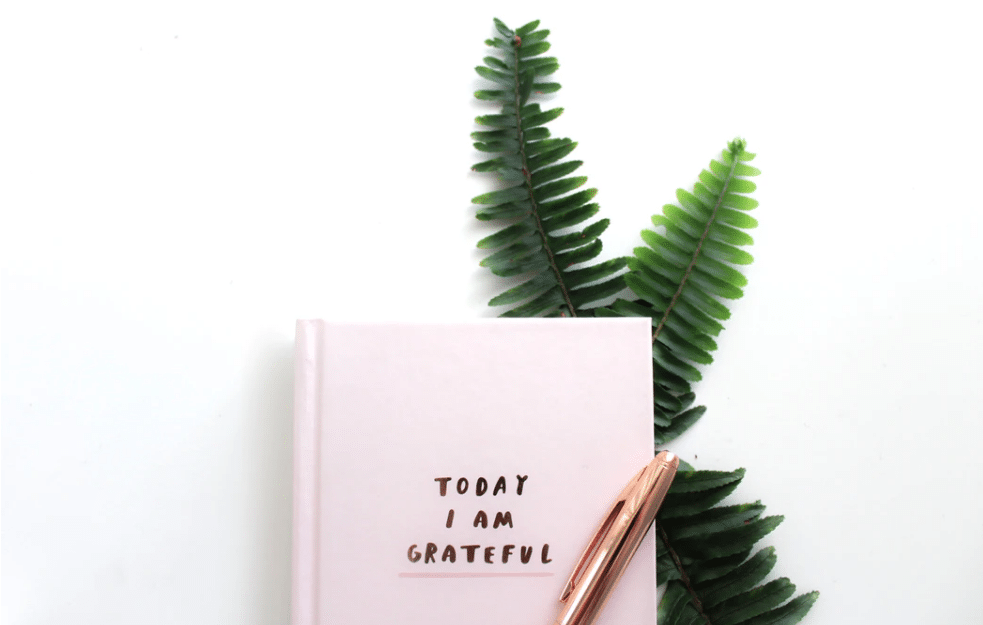
A gratitude journal should ideally be used every morning and every evening – as the perfect way to begin and end your day. Sit in the quiet for a moment and reflect on your day and your life in general. Then, write down at least 3 things you are grateful for. 

That’s it. A task that doesn’t have to last longer than 5 minutes can have intense benefits on your life. 

Creating Your Own Gratitude Journal

Now that you know just how powerful a gratitude journal can be, there is a good chance you want one, right? Great! Creating your own gratitude journal is simple – and it is the best way to bring positivity and light into your world. 

Ready to get started? Let’s go!

  1. Find Yourself a Journal. This doesn’t have to be anything fancy at all. You can go buy a new one at the store or you can use an old notebook that you have left from school. Choose what is easiest for you – -as long as it has plenty of space to write. Remember, what matters most is not what the outside looks like, but the words written inside. 
  2. Determine When You Will Practice Gratitude. Will it be in the morning? At night? Both? During your lunch hour? You are trying to develop a habit so you need to find a time during your daily routine that will allow you to do that. 
  3. Choose Your Method of Gratitude Journaling. You are showing gratitude for 3 things, but it is up to you if those 3 things are just general things, or 3 fantastic things that happened during the day today, or 3 things that will make your day great (if journaling in the morning), etc.

Final Thoughts

Starting a gratitude journal is taking a step toward a positive future. It is not easy to make changes to your life, even when you know it will have great benefits. But, setting yourself up for success is the perfect place to start. 

Get your gratitude journal, keep it where you will remember to use it, and watch the powerful transformation that happens. 


Categories
Wellness

A Recovery Journal to Inspire Us All


Accessibility Toolbar

Exit mobile version