
Categories
Addiction Treatment Self Care Self-care Strategies

Self-Care Isn’t Selfish: Essential Practices for Women in Recovery

At Villa Kali Ma, it is our strong belief that women are precious. Every single one of us matters. This statement bears repeating, and often! Because for the many women we encounter in the course of our work healing addiction, mental illness, and trauma, the idea of being valuable just because we exist is often a foreign one. 

Most of the women we encounter suffer from extreme self-hatred, self-neglect, and self-misunderstanding. Rather than seeing that we are extraordinary and unrepeatable expressions of the one life force of which we all partake, most of us have the habit of seeing only flaws, failures, and deficits.

We here at Villa Kali Ma insist, though. Not only are women exceedingly precious, that preciousness needs care and boundaries to be preserved and nourished. While women are exceptionally resilient – able to endure a range of abuses and neglects ranging from the material to the spiritual – we are not unscathed by all the forms of mistreatment of women and girls that the world has heaped on us. Instead, we exist in a state of severe woundedness, carrying on not because of, but in spite of the ways that society has taught us to regard ourselves. 

In our daily work with women of all backgrounds here at Villa Kali Ma, we focus on the vital component of self-care for recovery, coaching skills of mental health maintenance and other forms of wellness practices that help women flourish and thrive. The vast majority of the women we get to know through this work need help learning to stop treating themselves the way they have been treated since birth – as something to be critiqued, told, rejected, abandoned, abused, ignored, or used. 

Women in recovery must learn self-care. Self-care isn’t selfish. It is an essential practice for all women, especially those of us learning to live in a new way after decades of struggling with substance addiction, mental health, and trauma. 

In this post, we’ll share thoughts about the most important aspects of self-care for women in recovery. 

Building a Self-Care Foundation That Supports Lasting Recovery

All self-care must begin with the understanding that there are serious consequences to self-neglect and self-mistreatment for any of us who are seeking to recover from addiction, mental health struggles, and trauma. If we treat ourselves the way we have always treated ourselves in the past, we will again experience the thoughts, feelings, and behaviors that drove us to need professional help. To stay healthy, we must gradually learn to think very different thoughts, feel different feelings, and take different actions. Only then will we be able to experience and sustain those different life results we deeply deserve and desire.  

It is not a luxury to care for the self, but rather a necessity. Caring for the self includes meeting needs and honoring boundaries in many aspects of life. Not only must we learn to notice and care for the physical form we inhabit, by feeding ourselves healthy food, resting enough, exercising appropriately, and spending time outside in the great outdoors. We must also learn to notice and care for the emotional, mental, spiritual, relational, creative, and career (or purpose fulfillment) aspects of our lives. Because we are complex, multidimensional beings. Self-care is a living, breathing practice, a whole ecosystem of loving intentions. We learn to tune in, to get creative, to ask.   

Building a self-care foundation that supports lasting recovery begins with taking stock of the facts: where do our current self-care practices need work? Where do we try to go without our needs being met, where do we violate our own boundaries? In each of those areas, what would we rather have? 

Physical, Emotional, and Spiritual Self-Care Strategies

women in rehab self care

The body is the foundation of our entire experience in the world. It is the vessel inside of which we voyage on the seas of life, and the body must be strong, intact, and comfortable to inhabit. Therefore, by focusing on improving the physical body’s health, we accomplish a lot towards being able to care also for the other aspects of life, like emotions, thoughts, and love relationships. If the body isn’t well, then many other aspects of life suffer too, so it makes sense to always look to, and strengthen, the state of the body as a priority.

Here are the most important strategies for physical body self-care: 

Improve Your Diet 

Many women live with severe nutrient deficiencies, chemical imbalances, and toxic loads that have been delivered to the body from a variety of sources. Substance abuse leaves a chemical legacy in the body, but there are many other possible sources of toxins that interfere with nearly every aspect of the body’s ability to create states of health and happiness. 

Environmental toxicity, the many impacts of industrialization, manufacturing, & large scale agriculture, GMOs, preservatives, dyes, dental work, other medical procedures, beauty products, cleansing agents and pharmaceuticals can all contribute to the body being out of balance and ill. Hormones and neurotransmitters often need support to be replenished, as do important minerals and vitamins. 

Fortunately, all of these concerns can be assessed and addressed through the professional attention of a nutritionist or doctor of functional medicine. We here at Villa Kali Ma strongly believe in the power of healing the body with food and other lifestyle changes, and we help all the women we meet to consider this angle of their recovery.  

Exercise

Some form of daily exercise is necessary. There are many different kinds of exercise, ranging from very high impact to low. Depending on your unique body, you may benefit from changing the amount or kind of physical activity you get every day. If at all possible, it is favorable to combine exercise with increasing the amount of outdoors time you are able to get each week. Gardening, walking in the park, and even a walk around the neighborhood can greatly improve the physical health of the body. 

Sleep 

Sleep is nature’s cure for many conditions. The body restores itself through sleep, but many of us struggle to get the right amount and quality of sleep that we actually need. To prioritize sleep, we may need to develop habits of reducing screen time, going to bed earlier, cutting out caffeine entirely, or make other such changes to encourage the body to rest. Sleep is a complex topic; note that sleep is also greatly improved by dietary changes and exercise. 

Second to physical self-care, we at Villa Kali Ma prioritize emotional self-care. Emotional self-care means attending to how we feel, and what we may be thinking about ourselves throughout the day. Here are our top recommendations for emotional self-care. 

Reflection

It’s important to have time and space to reflect on what we feel. Villa Kali Ma recommends that each woman cultivate the habit of taking time every day for checking in with herself. 

A practice that many women find relatively easy to install is journaling. Set a timer for 15 minutes and free-write all of your thoughts and feelings first thing in the morning or right before bed, and you will gradually build a relationship with yourself in which you are able to vent your emotions to yourself. Recording gratitudes and setting intentions may optionally be part of your reflection time, but it’s important to make room for negative feelings too. By writing negative feelings down, we often don’t have to speak them out loud to people or let them turn into negative actions. 

Support Network

It’s a vital aspect of self-care to make sure that we have enough safe people in our lives, with whom we can be our authentic selves to a reasonable degree. Some of us are fortunate enough to have a pre-existing network of friends and family who help us face our burdens with less loneliness, but most of us experience isolation and chronic disconnection emotionally. If you’re in the latter situation, don’t worry, that is enormously common, and there are solutions. 

The easiest fix for isolation is to join a supportive community, adding in extra meetings and activities on the daily. AA, NA, and other types of self-help community are ideal for adding a support network in quickly and effectively. Alternatively, we can receive support through a therapy group, or through an activities group that meets regularly. Joining a yoga community, spiritual group, or other kind of welcoming community can also help.   

Individual Therapy

It is strongly recommended to be in individual therapy of some kind. There are many different kinds of therapy, ranging from body based, to creative, to relationship-oriented, to cognitive behavioral. It is important to have a dedicated, regular space with a professional for slowly working through the many healing pieces that arise for women who have addiction, mental health struggles, and trauma. 

Finally, we recommend that each woman develop a strategy for spiritual self care. We do not endorse religion at Villa Kali Ma. We mean rather that it’s very helpful for a woman to develop her spiritual nature as a resource for recovery. Activating one’s spiritual capacity helps with a variety of daily challenges, providing guidance, solace, comfort, and inspiration. Every person alive has spirituality of their own, and no one can tell you what that should be like. At Villa Kali Ma, we suggest only that you do work with your spirituality, and use it to your advantage. Here are our tips for developing your spiritual powers further.

Prayer

Broadly speaking, prayer just means talking to spirit, putting your needs, thoughts, intentions, or worries into words. Speaking to a spiritual someone or something, even if it’s your own higher self, has enormous benefits. Most people find that over time, if they continue to “talk to God” or “talk to the universe”, a very practical helpline can be established. Eventually, a trusting relationship is built, in which we learn that if we ask, we do tend to receive.

Mindfulness

Meditation can come in the form of a sit down practice, but since many women with trauma find it hard to “just be still”, it’s important to note that mindfulness comes in many forms, including walking, art and movement. Even if we must start with short sessions of just five minutes, gradually developing our capacity for mindful awareness, whether sitting or doing a physical activity, brings spaciousness, peace, calm, and the capacity to tolerate our suffering with more loving detachment. We encourage every woman to develop her latent potential for peace and equanimity through finding a mindfulness practice that she enjoys enough to pursue.

Nature and Music

Nature and music, especially the great works of classical music or jazz, are two other categories that can be resources for developing spirituality. Both nature and music tend to stimulate spiritual feelings and teach us about what our own spiritual nature is like. Increasing the amount of time listening to music and observing the natural world are both valid ways to develop spiritual self-care.

Overcoming Guilt and Prioritizing Your Wellbeing
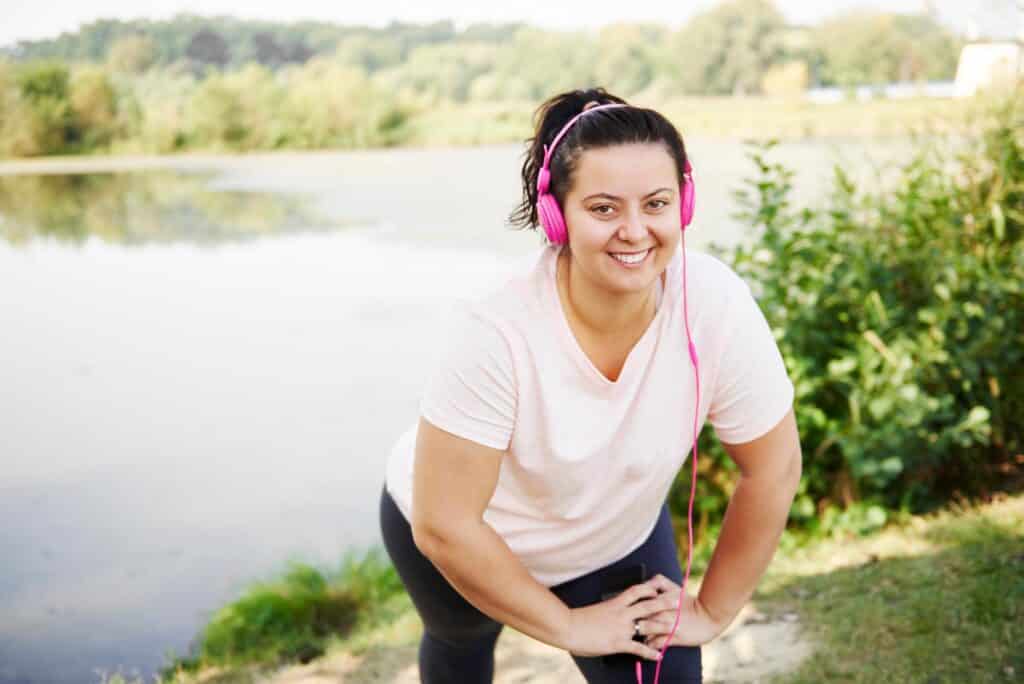
Many women need help working through the guilt they feel when they begin to put their own needs and boundaries first. It has been deeply ingrained in us to believe that if we do not attend to other people first, we are bad people, or there will be relational consequences for us. People will be angry or think ill of us.  

It is possible that some people in our lives will in fact need some time adjusting to our new focus on caring for ourselves. However, anyone worth keeping close to us will like it that we are caring for ourselves more, for the simple reason that when we are happier, they are happier. We will have more energy, compassion, and love for them, if we are allowed to make sure we are ok first.

Although we have all been trained to believe that other people’s happiness requires that we put them first, this is a misunderstanding. Provided we are talking about two adults, we must care for ourselves first, and then if and only if we have a surplus, we may give away what we choose to share with others. The giving is always optional, and we can only be generous when what we give away isn’t something that we ourselves need. To give what we have away, in exchange for someone giving us what we need in return, is the core misunderstanding of codependency

In the short term, some people probably will feel let down or angry when we take care of ourselves before we take care of them. In the longer term, they will be inspired to realize that they are also allowed to care for themselves, and that we want them to do that too. 

If necessary, remind yourself of the consequences of you not putting yourself first. Our loved ones may wish, in their wounded child parts, that we would care for them before taking care of ourselves. They might rightfully have never gotten what they needed, and they had come to rely on us to be kind or to help them. Even so, they do not really want the consequences of us not caring for ourselves first. No one is benefited by us losing our sobriety, mental health, or shutting down or spiraling out in a trauma episode.

Learn Sustainable Self-Care at Villa Kali Ma

Villa Kali Ma is a licensed provider of trauma treatment, as well as mental health and addiction recovery services for women. Located in northern San Diego County, we are blessed to be able to offer a standalone trauma healing center, The Retreat. In all of our serene, comfortable locations, we help women learn the necessary art and practice of self-care. 

Our all-female team of licensed clinicians and certified holistic practitioners provides quality trauma-informed treatment, giving a chance to discover deep bodily and spiritual recovery. Our comprehensive menu of complementary holistic sessions includes massage, Ayurveda, yoga, acupuncture, sound healing, Reiki, breath work, and more. 
Categories
General

Why Women’s Mental Health Requires Specialized Treatment Approaches

Women’s mental health needs to be approached differently than men’s. While women have some core human experiences in common with our male counterparts, women in particular benefit from gender-specific treatment. Trauma-informed care for women is often necessary to get to the root of our suffering. In this blog, we explore more about why women’s mental health requires specialized treatment approaches.

The Unique Mental Health Needs of Women in Recovery

At Villa Kali Ma, our team of clinicians, psychotherapists, practitioners, medical doctors and case workers are experienced in the field of women’s addiction recovery. As specialists in gender-specific treatment for women, we are intimately familiar with the unique mental health needs that women in recovery have. 

Most women in recovery from substance addiction have co-occurring mental health concerns, as well as underlying traumatization that needs to be healed at physical, emotional and neurobiological levels. Without addressing these factors together, the chances that women are able to achieve and sustain long term recovery are diminished.    

Here are some differences between men and women that impact the focus of the gender-specific treatment we offer for women at Villa Kali Ma.

  • Women are more likely to qualify for a dual diagnosis. Women who use substances daily to cope usually have serious co-occurring problems of thought, emotion and behavior that drive and interact with that substance use pattern. Women who use substances are often using substances to deal with severe depression, anxiety, or another serious mental health condition like borderline personality or bipolar. Women are more likely than men to present not only with complex post traumatic stress disorder (C-PTSD), but also frequently exhibit additional self-destructive behavioral disorders. Eating disorders, self-harm and suicidal tendencies are not uncommon amongst women who use substances.
  • Women use substances for different reasons than men. Everyone who uses substances to the point of self-destruction is doing so in a desperate attempt to correct inner conditions of suffering. For example, substances can help people relax, or provide “liquid courage”. Women are more likely to be using substances to cope with the impacts of trauma, especially sexual trauma from childhood abuse, sexual assault, and intimate partner violence. Additionally, women are socialized to have different ways of processing emotions, meeting needs, and managing thoughts and behaviors than men. Such differences add up to having quite distinct drivers for using. Women also have different motivations for wanting to get sober and for doing the hard work of recovery.   
  • Women’s biology is affected differently by recovery. Although the majority of people who use substances are men, among those who do use, women are more likely to develop addiction. Tolerance and dependence to a substance develops more quickly in women’s bodies, after using a smaller amount of a substance, over a shorter period of time. Once addicted, likewise, women are subject to more intense cravings, withdrawals, and risk of relapse after achieving sobriety. This greater intensity of suffering means that women need different kinds of mental health support to succeed in recovery.
  • Women’s substance use, mental health, and trauma patterning are significantly impacted by female hormones. Factors like birth control, menstruation cycles, breastfeeding, pregnancy, parenting, menopause, and stress make substance use, recovery, mental health and trauma somewhat different for women for hormonal reasons alone. These complex biochemical interactions have huge impacts of mood, behavior, the effect of substances, and the mental-emotional challenges of recovery. Women’s mental health cannot be understood as well without taking hormonal influences into account. 
  • Women have greater economic challenges. Women are more likely than men to be financially dependent on others, including people who have abused them in the past and even people who are abusing them now. Women are the economically more vulnerable sex, and the realities of financial survival difficulties can have huge repercussions on options for mental health treatment, ranging from work, stress, parenting, job flexibility, and more. 
  • Women face gender-specific barriers to treatment. In addition to the greater likelihood of women having economic struggles, single parenting responsibilities, and eldercare, women face specific stigmas and challenges about needing and getting appropriate mental health treatment. In general, women’s suffering has been both over-pathologized (as with borderline personality) and at the same time minimized and dismissed (starting with concepts of hysteria), historically speaking. Many aspects of women’s genuine suffering are not seen or validated by the mainstream. One side effect is that many women fail to recognize that need or deserve help.   

How Gender-Specific Treatment Supports Deeper Healing

Gender-specific treatment settings are associated with better therapeutic outcomes for women. Women who attend gender-specific programs are more likely to succeed in recovery than women who attend mixed-gender counterpart programs of equal quality

This is because, naturally enough, women-only settings place primary focus on the most important problems faced by women. Topics like body image and appearance, female sexuality, intimate relationships, codependency, the importance of emotions, safety, impacts of menstruation and hormones, parenting, caring for elders, sexism, navigating career and workplace as a woman, and healing from sexual trauma are front and center in the treatment conversation. 

By contrast, mixed-gender treatment settings are more general, and don’t focus on the female experience of addiction specifically. Due to the historical bias to focus on men and men’s experiences of life as a default in medical settings, key pieces of the female perspective and needs can be de-emphasized, if not left out entirely, in mixed-gender treatment environments. 

Also, it’s important to understand that most women find same-sex settings to feel generally safer. This fact should not be surprising, since the clear majority of women qualifying for substance abuse and mental health treatment also have significant complex trauma to cope with. Very often the worst trauma that women have is sexual trauma, originating from childhood sexual abuse, sexual assault, sexual harassment, and/or intimate partner violence. Sexual trauma topics are very hard to heal in the presence of men, for most women who have been harmed by men in the past. This may change later on in the treatment process, but in early stages it is better to be in same-sex settings for greater feelings of safety. 

Finally, women are subject to social pressures in the presence of men which they do not have to face in female-only settings. Women usually require a same-sex setting to be able to fully focus internally, put themselves and their own needs first, and temporarily detach from who they are perceived to be in the eyes of men.

Creating Safe Spaces for Women to Process Trauma

It’s really important that women have access to safe spaces to address their traumatization. About half of women in America are exposed to one or more traumatic events at some point in their lifetime, according to the National Center for Post Traumatic Stress Disorder.  

Women’s traumatization is different than men’s and needs to be understood in context of women’s subjective experiences, their biology, and their socialization as the disadvantaged sex in society. Women generally experience different forms of trauma, from events taking place at different stages of life. Women are more likely undergo traumatization at a younger age, and are also more likely to experience sexual trauma. 

Both sexual trauma and trauma that takes place at a young age have greater impact than other kinds of traumatic events. Complex trauma has the most negative developmental influence, affecting personality and neurobiology. While accidental injury and war-related violence are more likely to impact men, women more commonly develop a trauma diagnosis as a result of sexual assault and childhood sexual abuse. Women may be up to three times more likely than men to develop PSTD than men

Complex trauma is linked with many mental health consequences, including but not limited to substance abuse. Panic disorders, suicidal depression, ADHD, obsessive compulsive disorder, borderline personality, eating disorders, self-harm, and several other conditions may be side effects of women’s trauma. There are also several physical health conditions that can be better healed when also addressing underlying trauma, such as auto-immune disorders, chronic pain, digestive problems, and inflammation. 

Women need complete safety to be able to release long-held trauma out of their bodies. That safety can’t be faked. The true safety of a healing environment, both physically and psychologically, is perceived subconsciously

At Villa Kali Ma, our daily structure, together with the design and stewardship of the space itself, creates a strong, safe container for healing. Our firm, compassionate program helps women feel safe to engage at every level with the treatment they need. 

Experience Women-Only Treatment at Villa Kali Ma

Villa Kali Ma is an innovative, holistic treatment facility providing cutting-edge trauma treatment, mental health, and addiction recovery programs for women. Our compassionate, female-centric programs cover all the treatment needs that women have, addressing mind, body and spirit. We help women do the hard work of clearing their traumatic pasts for good, learning to be happy and healthy at last.  

Villa Kali Ma offers residential inpatient, as well as outpatient treatment options. Experience several powerful evidence-based trauma therapies integrated with holistic wellness modalities. Breathwork, yoga, meditation, nutrition, massage, acupuncture, energy medicine, and shamanic journeying are examples of the offerings you can find alongside our core clinical program. EMDR, Brainspotting, Ketamine Assisted Psychotherapy, Somatic Experiencing, and Internal Family Systems Therapy are examples of the trauma-specific treatments we offer. Equine Therapy, Expressive Arts Therapy, and Mindfulness and Self-Compassion are additional modalities that women who attend our programs enjoy.

Because trauma affects so many facets of a woman’s life, we at Villa Kali Ma are ready to support each woman with a variety of approaches and levels of sensitivity. Not every therapy works for every woman, and most women experience the most benefit from a combination of approaches. We invite you to discover how different life can be, after healing trauma. 

Categories
Addiction Treatment Intensive Outpatient Program Trauma Therapy

Therapies That Transform: How IOP Helps Women Heal from Trauma

One of the features that distinguishes Villa Kali Ma’s unique, holistic approach to healing women’s addiction and mental illness is our recognition of the role of trauma.

Since the early days of opening our doors, we have placed emphasis on the value of providing women effective treatment options for addressing their traumatization, with and alongside any work we do to address substance use and mental health symptoms. In each of our programs, spanning the range of inpatient to outpatient, we include gold standard trauma treatment approaches like EMDR and Somatic Experiencing, as well as younger approaches which show strong promise in the ever-evolving trauma treatment field (such as Ketamine Assisted Psychotherapy and Brainspotting).

According to several studies, women, even more so than men, are especially likely to be using substances as a way to manage the pain they carry from having survived traumatizing events. Of the traumatizing events women have survived, the majority of events can be categorized as sexually violating in nature. Sexual trauma, especially that incurred in childhood sexual abuse, is the most psychologically damaging form of trauma. Of those people affected by childhood sexual abuse and sexual violence, the vast majority are women.

Healing the deep wounds that trauma leaves behind in the body, brain and nervous system of women is key, when the goal is to change patterns of self-destructive behavior. Contrary to popular belief, women don’t use substances because women are irrational, overemotional, selfish, lazy, stupid, or immoral. (Just to rule out a few of the unflattering attributions that have been applied to women who use substances – scratch that, you know what? to women in general – over the centuries!)

Rather, women use substances because they are effective (in the short term, anyway) at reducing the overwhelming pain of unresolved traumatic experiences. Alternatively, substances help women behave in ways that support them to survive in society, in a context of carrying a secret burden of shattering psychological pain.

As the field of trauma treatment gains wider recognition and acceptance over the decades, the need for trauma healing centers of all manner continues to rise. It appears to be the case that for many women, trauma is best treated not in single, once-a-week outpatient sessions following the psychotherapy model, but rather in a more wrap-around approach. This is so that several different approaches to trauma treatment can be applied, working together in concert.

We recommend our Intensive Outpatient Program approach for addressing trauma to any survivors out there. A surprising amount of trauma-related memory content can be resolved in just a few sessions of modalities like EMDR. But complex and chronic traumatization of the type most likely to be driving women’s substance abuse and mental health problems is not a one-and-done affair. Rather, a blend of interventions to heal safety-perception distortions and dysregulated patterns of physiological arousal at neurobiological levels should be used in combination with attachment-informed individual psychotherapy, group work, and peer-based community support.

At Villa Kali Ma, we are very proud to be able to offer a state of the art array of the best of the best trauma therapies out there. We offer these to women who need help healing from what has harmed them most deeply, whether or not that harm has led them to use substances or receive a mental health diagnosis.

How Trauma-Focused Therapies in IOP Empower Women to Heal

The many trauma-focused therapies we offer in Villa Kali Ma’s Intensive Outpatient Program empower women to heal through a few pathways.

We facilitate the resolution of problematic memories through treatments like EMDR and brainspotting, which work with the brain to reprocess memories safely. EMDR and brainspotting are believed to operate by altering where and how traumatic memories are stored in the brain.

Additionally, we empower women to understand themselves, and what they thought were their personality flaws, through the lens of trauma. Prolonged nervous system states become traits, which in turn become identities, to paraphrase the words of trauma educator Linda Thai. Through understanding the real depth of impact trauma has had, we help traumatized women experience something they may never have felt before: self-compassion.

Perhaps most importantly, we show women how they can shift gears naturally when their trauma symptoms are triggered by events in the external world. Gaining a measure of agency over one’s own body states has huge implications, making the need for substances, and many other extreme behaviors, redundant.

This ability to shift states consciously comes in part through restoration of somatic awareness, which in turn leads to the ability to use the practices found in polyvagal theory to downshift or upshift using simple, body-based tools like breath, stretching, and vagus nerve stimulation.

Somatic awareness is a term which refers to the subjective, personal experience of the body from the inside out. One goal of somatic therapies and other trauma-informed approaches is to restore women’s capacity to feel their own embodiment, as a stream of ever-shifting sensations. Women can then use body signals to note the triggered state, decide whether or not they are really in danger now (or rather just experiencing a flashback, or body-memory), and take appropriate action to return to the safety zone.

Women with trauma need help learning to relate to sensations again, because the ordinary operations of the nervous system have been damaged through shock that was too overwhelming to integrate. Traumatized women have been imprinted and impaired in such a way that when something possibly threatening happens (something which resembles or is associated with circumstances in which they were hurt before in serious ways), they go into overdrive, sending the nervous system into high distress.

This trauma-related distress, the kind that happens when a person’s life is in danger, is recreated as though “it’s happening all over again”, even though the current circumstances may not actually perfectly map onto the original traumatizing event. This happens because of over-coupling, or over-associating perceptual cues that may not actually be relevant. An example of an over-coupled perceptual cue could be the scent someone was wearing while they hurt you. Years later, someone harmless wearing the same scent can evoke the same feeling of supreme danger. Tragically, many cues can be over-coupled through traumatization, linked forever together with memories of danger – including fun, play, emotional closeness and love itself.

It is the signature handiwork of trauma to go into high distress, stay there until the body is exhausted, and then drop all the way down into numbness, completely skipping over the part where life feels good, pleasant, and relaxed. The yo-yoing nervous system (amped too far up or numbed too far down) is a sign of trauma, reflecting survival strategies that didn’t get to come to completion. The yo-yo experience is part of why substances that help women calm down or re-energize are useful at first.

Once we get into trauma recovery, it is through the doorway of learning to process sensation again that we heal. Once we find ways to safely experience our nervous system’s beautiful capacity for sensation, without being sucked into high distress or dissociating, we have the keys to (our own) kingdom. Gradually, we restore the capacity to process and release what happened to us, out of the body once and for all.

When women realize that they have natural options inside their own physiology for relaxing and/or reenergizing themselves as needed, the primary problem, to which addiction was an attempted solution, is eliminated in large part.

Evidence-Based Approaches to Trauma and Addiction Recovery

Evidence-based approaches are methodologies – collections of interventions paired with a theory of how healing occurs – that have passed a certain measure of scientific verification of their efficacy. There are several evidence-based approaches that are generally recommended in the treatment of addiction, mental health disorders, and trauma.

Consulting the list of evidence-based therapies is one way to check whether a method in question has been endorsed by authorities in the wider psychology profession. The assembly of a list of approved evidence-based approaches was offered as a protective measure, to ensure that treatment approaches clients commonly receive are indeed valid, as evidenced by peer-reviewed, controlled scientific studies.

At Villa Kali Ma, we offer many approaches that are featured on the list of evidence-based approaches, including Cognitive Behavioral Therapy, Dialectical Behavior Therapy, Internal Family Systems Therapy and Acceptance and Commitment Therapy. The clinical core of all of our treatment programs is composed primarily of evidence-based approaches. 

Integrating Mind, Body, and Spirit in Outpatient Care

Villa Kali Ma is committed to caring for each woman’s mind, body, and spirit, especially in an age where the latter two components may be regarded with great distrust.

It can be hard to find an outpatient setting that will honor the role of the body’s natural, organic intelligence and gift for self-repair, let alone spirit. We pride ourselves on providing the best of both worlds – East and West, body and mind, holistic and clinical.

If you’re looking for a place that is clinically grounded, providing the top treatment methods that have been scientifically validated, but which is also open to exploring the mind-body connection, we may be the right place for you. For those who appreciate the medical, scientific lens on healing, as well as other, non-dominant perspectives, you will find company in the halls of Villa Kali Ma.

Experience Holistic Healing at Villa Kali Mas Womens IOP

The holistic mindset holds that while mental health symptoms may appear to be separate, unrelated phenomena, they almost never are. Addiction does not exist in a vacuum. Neither does depression, anxiety, boundary problems, or flashbacks. Each of these symptoms exists to address or respond to another condition, existing there alongside it. The inner ecosystem of the human being is delicately balanced, with strengths and challenges co-arising in ways reminiscent of the Buddhist idea of dependent origination.

Like weather systems tipped off by a flap of a butterfly’s wing across the globe, we and our symptoms exist in complex, stunning matrices of natural interdependence. In the context of that reality, what is healing? How can we approach problems, while remembering the totality at hand?

At Villa Kali Ma, in our Intensive Outpatient Program and all of our offerings for women recovering from addiction, mental illness, and trauma, we attempt to show how loving attention to the smallest details of our magnificence can give rise to a healing that transcends the seemingly individual nature of our lives.

Categories
Addiction Treatment Trauma Trauma Therapy

How PHP Supports Lasting Recovery from Addiction and Trauma

Addiction treatment comes in a few different formats. These different formats reflect the different therapeutic environments found to be most effective for patients with varying degrees of need for intensiveness, structure, and medical supervision. The Partial Hospitalization Program level of care is a high intensity, outpatient day program model providing six hours of treatment, five days a week.

In this post, we’ll share a little more about the uniquely compassionate, holistic, and trauma-informed Partial Hospitalization Program we have created for women here at Villa Kali Ma. We’ll speak to the PHP model in general, and how our program supports lasting recovery from addiction, mental illness, and traumatization.

How Partial Hospitalization Helps Women Achieve Lasting Healing

PHPs were invented to treat people who present with acute needs, who require medical and/or psychiatric attention in order to stabilize and achieve basic bodily safety. Traditionally, patients with this level of need would have been treated in inpatient settings.

Over the decades, and in the context of resource conservation, the field of addictions treatment has recognized that day programs can also be equally effective for some patients. Those who require some medical and psychiatric support in order to get through the worst of the stabilization phase, but do not necessarily need to stay overnight in a hospital environment, nor to be supervised 24-7, can do just as well in a PHP.

What’s the difference between someone who should be in residential, and someone who is served well by a PHP? Some patients require 24-7 supervision, or else they may be apt to attempt to address their acute distress through dangerous behavior. Dangerous behavior may include self-harm or returning to substance use (putting them at risk of overdose). Such patients need to be supervised around the clock, as a safety measure. Such women are still best treated in a medically-supervised detox, followed by residential rehab.

Other patients, while still vulnerable and in need of a relatively high intensity of mental and physical health support, would be safe to stay at home during the evenings and weekends, as long as they were receiving a high level of care during daytime hours. For such people, PHPs are a valid alternative to residential.

It is for these women that Villa Kali Ma’s Partial Hospitalization Program exists. Women attending treatment at our outpatient facility in Del Mar, California may elect to participate in our Partial Hospitalization Program, as a higher-intensity version of the Intensive Outpatient Program also offered onsite there.

Our integrative PHP helps women achieve lasting healing by setting a good therapeutic and clinical foundation, including an introduction to the journey of trauma healing. Our PHP installs community relationships, and a faith in self that will carry each woman far into her recovery long after she leaves our program.

Combining Trauma Therapy, Community, and Self-Discovery

Our PHP combines holistic, integrative trauma therapy, community, and self-discovery. This combination is valuable for a few reasons. Trauma therapy is important for women with addiction because some form of traumatization is highly likely to be a root cause for the use of substances in the first place. When underlying traumatization is healed, the need for using substances addictively shrinks considerably or disappears.

Community is important for women recovering from addiction because, as Johann Hari puts it in his Ted talk about addiction, the opposite of addiction isn’t so much sobriety as “human connection”.

Addiction is isolating. The cure is in community. The trauma that most plagues women with addiction is relational in nature – when we undergo traumatization we lose our trust in relationships with others, either because it is people who have hurt us or people who have not protected us when we needed them to. Through the process of developing community relationships, restoring our ability to connect, belong and participate, we heal a major root cause of addiction, eventually making the need for substances redundant.

Finally, self-discovery is important for women with addiction because, through self-discovery, women get the good news that actually, there isn’t anything wrong with them, and there never was.

In the words of Mike Elkin, an author and thought leader in the treatment of families with addiction, the way that other people treated us in the past didn’t mean anything about whether or not we are good, valuable people. Rather, that behavior was about what was going on for that person.

Through self-discovery we realize that all along, just as we are, we have always already deserved love, protection, care, support and kindness.

Preparing for Next Steps After PHP

Recovery isn’t only about deep emotional healing. It is also intensely practical. Women need help planning, knowing what to do next, how to live well, feel their feelings, and still stay sober, no matter where the next bend in the river takes them.

Women recovering from addiction, mental illness and trauma do best with support getting ready for what’s to come. With some preparation, women can leave treatment knowing they won’t be caught completely off guard by what typically arises for women returning to “life after rehab”.

In our PHP for women, participants have a chance to plan, to rehearse responses to known triggers and offenders, consider choices ahead of time and practice strategies for coping. Our PHP helps prepare women for the next steps, by providing a bridge into Intensive Outpatient where appropriate, assistance moving into sober living, and other ways of easing into new ways of being in the world.

Continued Healing with Villa Kali Mas Comprehensive Care

PHPs are considered to be an important element in the landscape of addiction recovery. In particular, for people who may not be in a position to attend residential treatment in the classical rehab format, Partial Hospitalization is a good alternative.

Trauma-informed PHPs like ours at Villa Kali Ma are potent interventions for women looking to find lasting recovery and long-term healing from addiction and the underlying reasons that women have relied on addiction to get through life.

Villa Kali Ma’s PHP represents our commitment to providing comprehensive care for women recovering from addiction, trauma, and mental health struggles. Our program provides ongoing healing by supporting women’s hearts, minds, and bodies to recover in ways that make it possible to return to a positive life.

We help each woman build up community resources, so that she will be nestled in a web of positive relationships when she leaves. And we support each woman who comes through our doors to strengthen inner resources, so that she may come to know about herself what we also know to be true: she is a treasure of infinite potential, infinite lovability, and infinite value.

Accessibility Toolbar

Exit mobile version