
Categories
General Wellness

Creating the Perfect Container for Treating Trauma

“Trauma is perhaps the most avoided, ignored, belittled, denied, misunderstood, and untreated cause of human suffering.”
-Peter Levine


We keep hearing this word, “Trauma”. Over and over again we are reminded of its prevalence in our culture. We have a vague sense of understanding that Trauma or Posttraumatic Stress Disorder (PTSD) refers to veterans, or to victims of assault, or childhood abuse. We may even understand the idea that growing up in a chaotic household with chronic stress and a constant sense of feeling unsafe is a traumatic experience that affects our lives into adulthood. 

We can read statistics about the prevalence of PTSD in our nation, and impress upon the fact that an estimated 70% of U.S. adults have experienced at least one traumatic event in their lives, the majority of whom before their 18th birthday. We may even find it important to note that there is a well-documented link between trauma experienced at a young age and the later development of a substance use disorder. This explains, of course, the widespread heartache our communities face on a daily basis and one common route individuals take in order to try to cope, however, this does little to describe the day-to-day felt experience of someone living with trauma. 

Living with Trauma

To continue to suffer from trauma is to continue to be stuck in the past, whether physically, through inflammation in the body and the resulting health problems; behaviorally, with disturbances to regular eating and sleeping patterns or observable avoidance; mentally, via intrusive thoughts, flashbacks or nightmares, and a sense of hypervigilance that keeps us on edge and poised to react to even minor threats. Emotionally, we may find ourselves in the spectrum of emotional dysregulation, with the competing feelings of helplessness, anger, guilt, sadness, or anxiety; or we may find ourselves disoriented and numb.  

We understand that trauma affects us across all areas of our lives, and although we may try to categorize and dissect it, it is clear that there is no one global picture of what it’s like to suffer a traumatic event. There is no particular roadmap to becoming reacquainted with the fragmented pieces of your soul. 

There are however some predictable lies that the voice of trauma may try to convince you about yourself, the world, and your future within it. Not surprisingly, we may pick up beliefs about the world as a dangerous place, and those who inhabit it as untrustworthy. In a similar way, we may learn that our judgment or our intuition is also not to be trusted, and we build up ideas about ourselves as powerless, incompetent, or damaged. Here, hopelessness sets in, and we wonder how we’ll ever get back to ‘normal’. 

The earlier we experience trauma, the less developed is our sense of self and ability to regulate our emotions. This combination often leads to some particularly destructive patterns of coping, whether avoidance, aggression, or escape behaviors. It’s not hard to see how in each aim, using substances appears to serve the primary function of avoiding pain, and hiding our truth at all costs. This, of course, is an illusion.

How We Do Things Differently

At Villa Kali Ma we understand that substance abuse treatment isn’t just about learning how to live without drugs and alcohol, it is also about healing the wounded parts of you that led you to use and abuse substances in the first place. 

How rare it is, however, for someone to arrive at treatment ready to do this work. After years of practicing these patterns and fueling these beliefs, it is not an easy adjustment to make, to go against all that has seemingly protected you in the past. Learning to embrace vulnerability is a laughable request to those who’ve built their identities around having an ‘unshakable’ exterior, who have perhaps never felt safe in their entire lives. It is for them that we have shaped with intention the treatment environment at Villa Kali Ma. 

When considering the specific experiences of women who have become addicted to alcohol or other drugs, it’s important to acknowledge that they come from a background of not only chronic childhood trauma or acute trauma but most have had sexually traumatic experiences as well. Studies have shown that nearly 80 percent of the women seeking treatment for substance use disorder have a history of sexual assault, physical assault or both. Unsurprisingly, many women turn to substances to cope or block out these memories, or to deal with the resulting blow to their self-worth and self-esteem.

Women’s sexual trauma needs to be addressed in ways that are not re-traumatizing for them. Telling their story to a male therapist or in a group that includes men can create an experience of intense and unbearable vulnerability, shame, humiliation and even panic. To participate in individual therapy alone can feel uncomfortable, and even threatening. Having to access those internal pieces of herself that contain the horrors of what she went through and bring them to the surface for examination is overwhelming. Doing so in presence of mixed company is inconceivable for most women. Many just won’t go there. Therefore, the dark underlying secret that is the catalyst for the substance abuse can remain buried throughout the treatment episode, out of a need to protect herself from feeling further violated.

Healing Women’s trauma requires an intimate environment where women feel supported, seen, and genuinely cared for. In a Women Only treatment setting with 5 licensed therapists and an all-female staff, we create the ideal environment for doing the intense work of trauma recovery. This type of setting, with a focus on only 6 clients at a time, creates the necessary sense of safety that cannot be created in a large facility in the presence of the opposite sex. Working alongside one another in a comfortable home-like environment, with women inspiring women, we have crafted the safe haven that is Villa Kali Ma.

We are tireless in our pursuit of making our program a safe container for those who come to us for treatment.  In this same way, we acknowledge the presence of trauma in all parts of ourselves: mind, body and spirit. From day one, we provide therapy from a trauma-informed perspective, using all of the tools at our disposal: EMDR (Eye Movement Desensitization and Reprocessing), Somatic processing, Breathwork, Shamanic Healing, CranioSacral Therapy, Reiki, Trauma Informed Yoga Therapy, Mindfulness and Meditation practices that each allow us to remain rooted within our bodies, as well as connect spiritually with our own divine nature and innate ability to heal and transform our lives.

By working through trauma and finding healing, the women completing treatment at Villa Kali Ma are better equipped to gain control over their substance use and fully embody the resiliency and empowerment that comes with bringing light into the darkest areas of their past. Reach out and get connected with us today!

Categories
General Happiness Wellness

3-Day Ayurvedic Detox Cleanse

Clean out the Toxins and Boost Immunity

with an EASY and gentle Cleanse that does not require suffering through cravings and hunger pangs!


Now is the perfect time to begin to shift out of the damp heaviness and stagnation of winter and do some Spring Cleaning! Personally, I hate most cleanses. I just don’t enjoy the process and it sometimes makes me feel so much worse than I did before I started. Headaches, body aches and pains, exhaustion, starvation, etc.

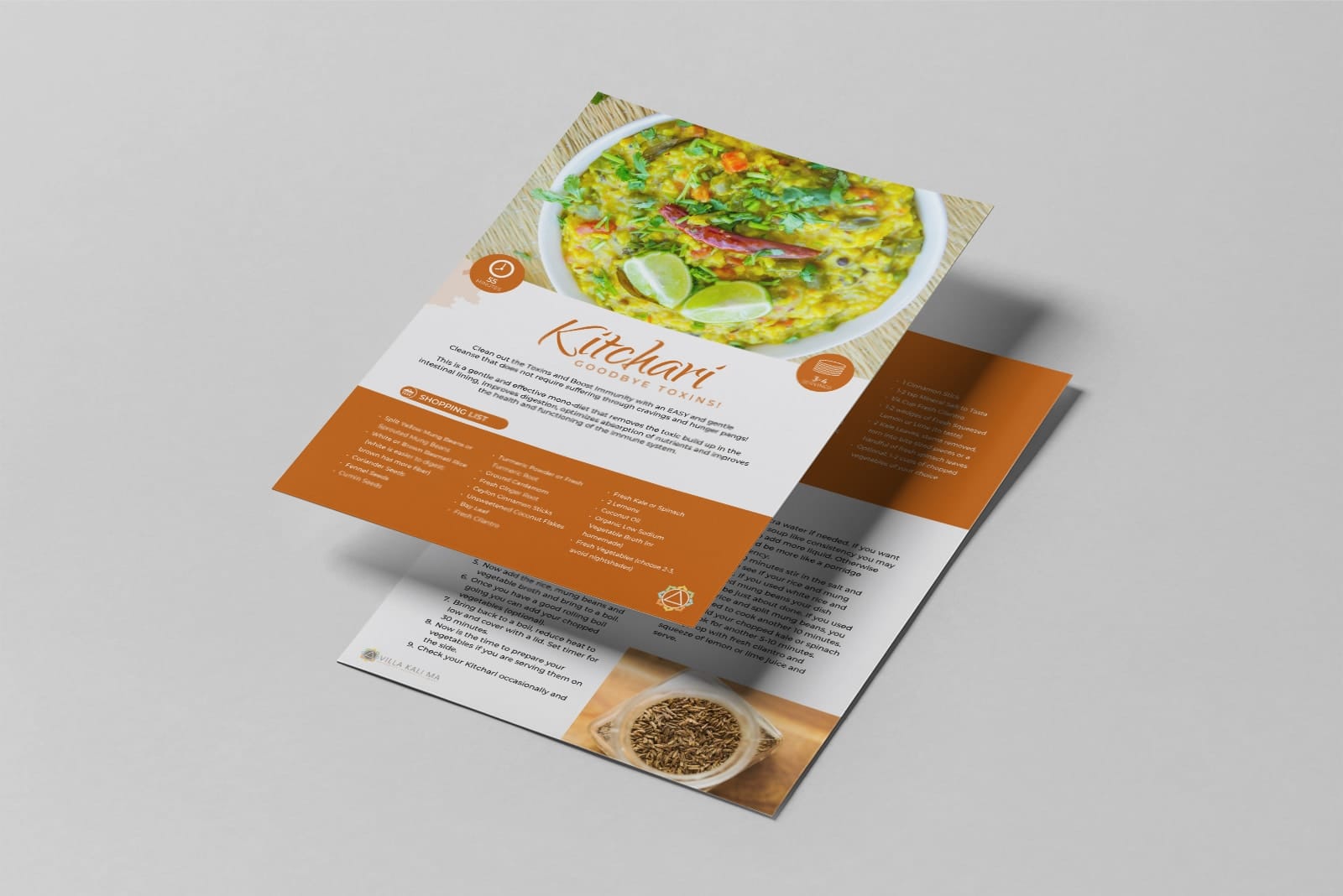
However, I began studying and practicing Ayurveda several years ago and was introduced to the Kitchari cleanse. This is a gentle and effective mono-diet that removes the toxic build up in the intestinal lining, improves digestion, optimizes absorption of nutrients and improves the health and functioning of the whole body.


Weak Digestion = Weak Immune System


Our bodies are amazingly intelligent, and they know how to heal themselves. However, we are constantly bombarding them with toxins day after day, year after year and this can cause our self-healing mechanisms to begin to break down. Most cleanses suggest a lot of raw greens because of the high nutrient and enzyme content. Unfortunately, I know from my own experience that this can cause bloating, gas, headaches, nausea and other side effects. Although raw food may contain many important nutrients, your body can have a hard time assimilating them if your digestive system is slow and weak or filled with toxic buildup. Having a healthy digestive system is the key to properly absorbing nutrients and eliminating toxins.

Ayurveda is an ancient system of medicine that has been practiced for thousands of years and Kitchari is an ayurvedic prescription for removing toxins and improving digestion. In Ayurvedic philosophy, immunity is achieved through building Ojas which is described as “the glow of radiant health”. The unfortunate fact is, most of us live a lifestyle that depletes our Ojas. We are overworking, under sleeping, not getting enough exercise and eating unhealthy nutrient deficient junk food. We are rushing, stressing, worrying, arguing, and multi-tasking ourselves into anxiety and exhaustion. The result is depleted Ojas and a weakened immune system.


Kitchari is an Anti-Inflammatory Gut Healer


Kitchari is an easy to prepare dish made of rice, mung beans and spices that are packed with health benefits. Mung beans are known to remove toxins, pesticides and other chemicals from the body and help to purify the blood. They are a good source of protein and fiber and provide high levels of essential micronutrients to nourish the body.

The rice combined with the mung beans creates a complete protein dish that provides all the essential amino acids the body needs in an easy to digest form. The spices in this dish have an impressive list of healing benefits and will improve the digestive fire (agni in Ayurveda) and stimulate the metabolism. Strong Agni is key for proper digestion, assimilation and elimination and these processes are the most important factors for health and immunity.


Spice Up Your Life for Radiant Health (Ojas)


The ingredients in Kitchari provide nourishment to all the tissues of the body and provide a boost in strength and vitality to the whole system. The blend of spices used in Kitchari are chosen not only for how they taste, but for the qualities, properties, and action they have on the Doshas (imbalances) in the body. The purpose of this cleanse is to eliminate toxins, reduce inflammation and heal the digestive system, thereby boosting the immune system and creating a powerful increase in Ojas (Radiant Health). Once you understand and experience the healing properties of these spices you can use them as often as needed to bring your system back into balance.

ayurvedic detox cleanse

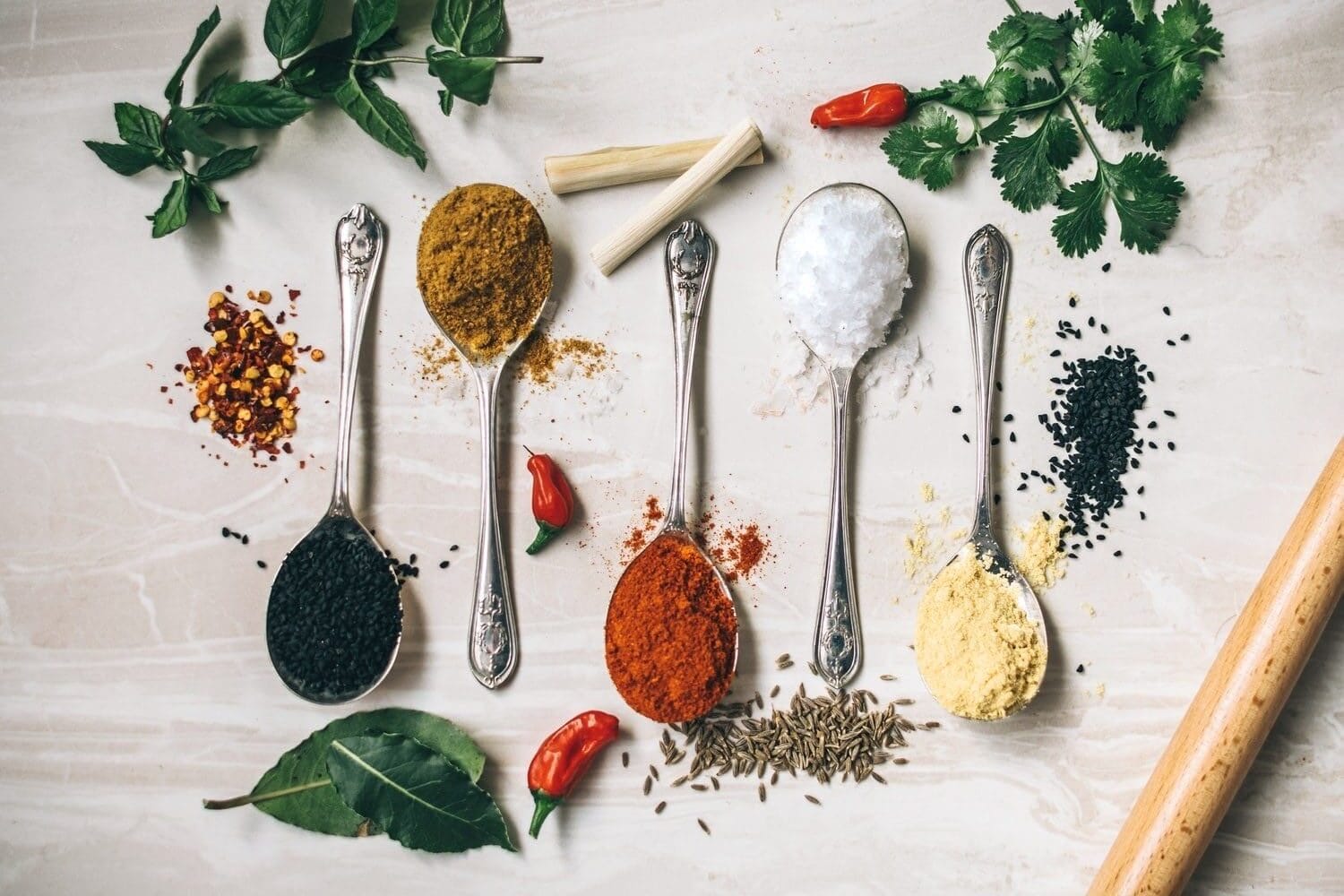
Ayurveda uses combinations of herbs and spices as medicine to heal all sorts of ailments in our bodies.


Here are some of the medicinal properties of the ingredients in Kitchari:

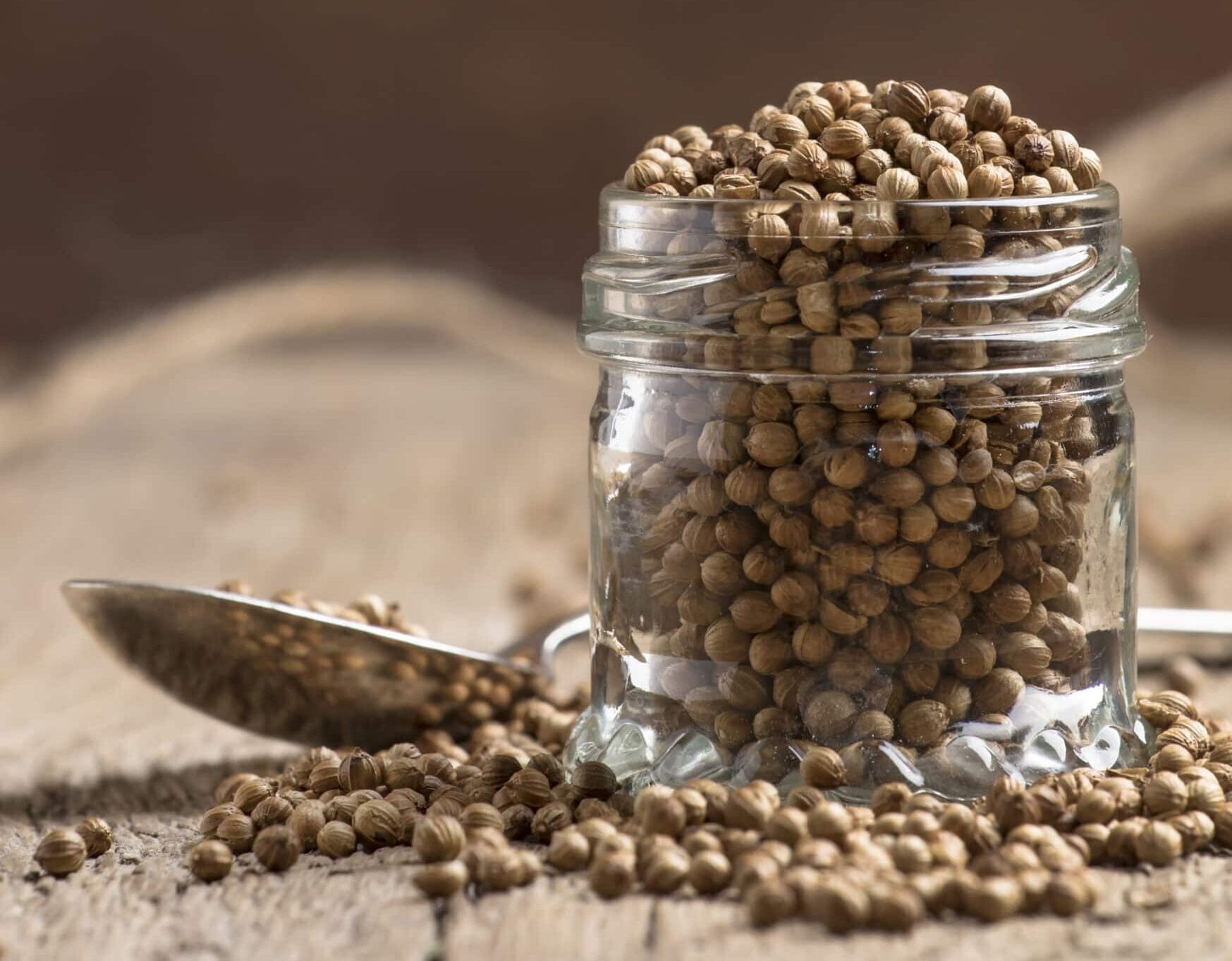
Organic Coriander Seeds

  • Improves digestion
  • Relieves gas
  • Helps with urinary or digestive disorders
  • Increases Agni (digestive fire)
  • Improves absorption of nutrients in the digestive tract
  • Calms muscle spasms
  • Reduces inflammation—even shown to help with rheumatoid arthritis

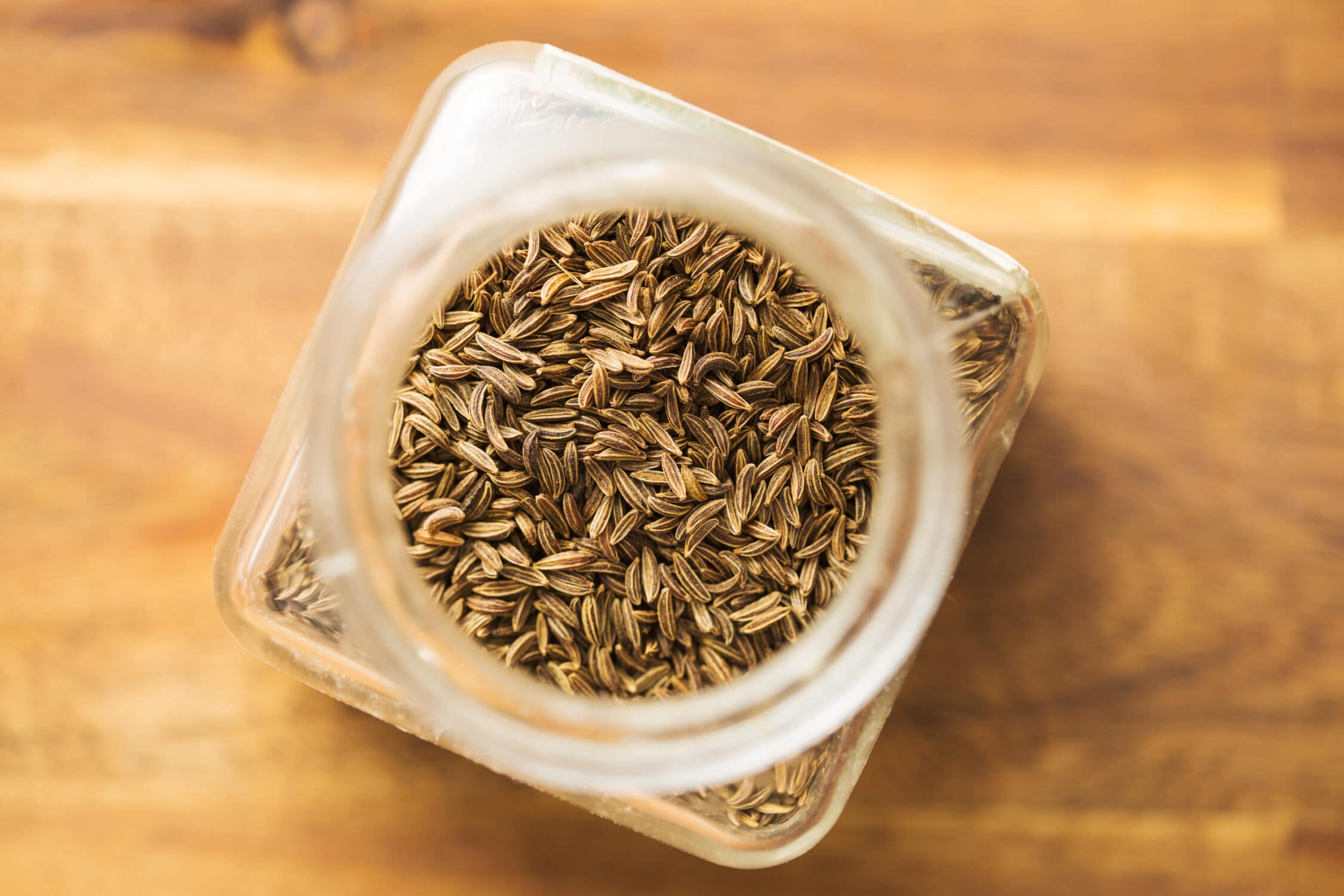
Organic Cumin Seeds

  • Stimulates agni (digestive fire)
  • Decreases gas
  • Helps with indigestion
  • Flushes out toxins
  • Relieves congestion
  • Contains antioxidants and iron
  • Soothes inflamed mucous membranes
  • Improves elimination 

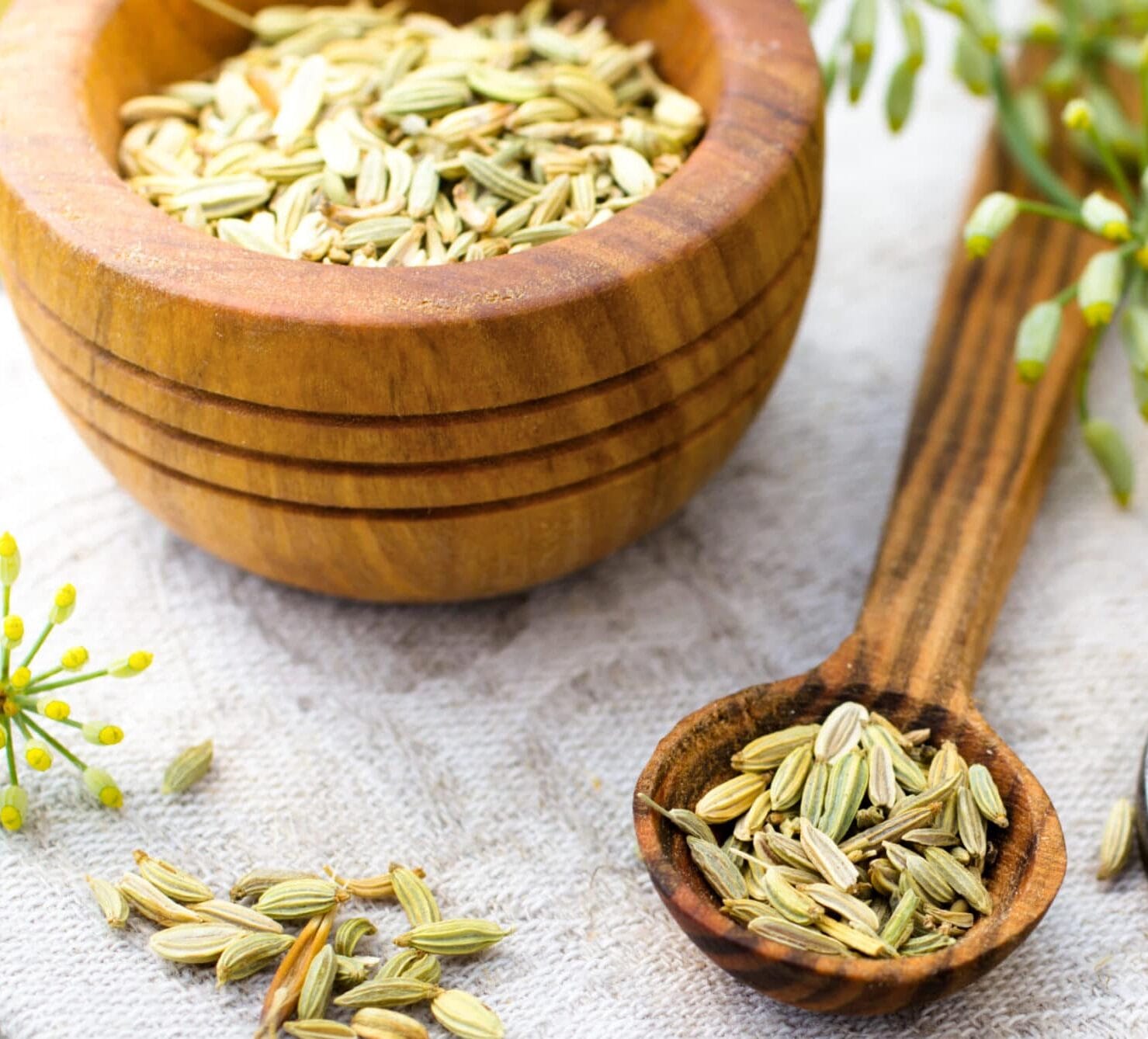
Organic Fennel Seeds

  • Strengthens the digestive fire
  • Stops cramping
  • Increases mental alertness
  • Relaxes the digestive tract
  • Increases the burning of fat
  • Aids in moving lymph
  • Helps regulate blood pressure
  • Reduce water retention
  • Reduces constipation, indigestion, IBS and bloating
  • Reduces asthma symptoms
  • Helps purify blood
  • Preventative against cancer of the skin, stomach and breasts
  • Improves eyesight
  • Great for acne

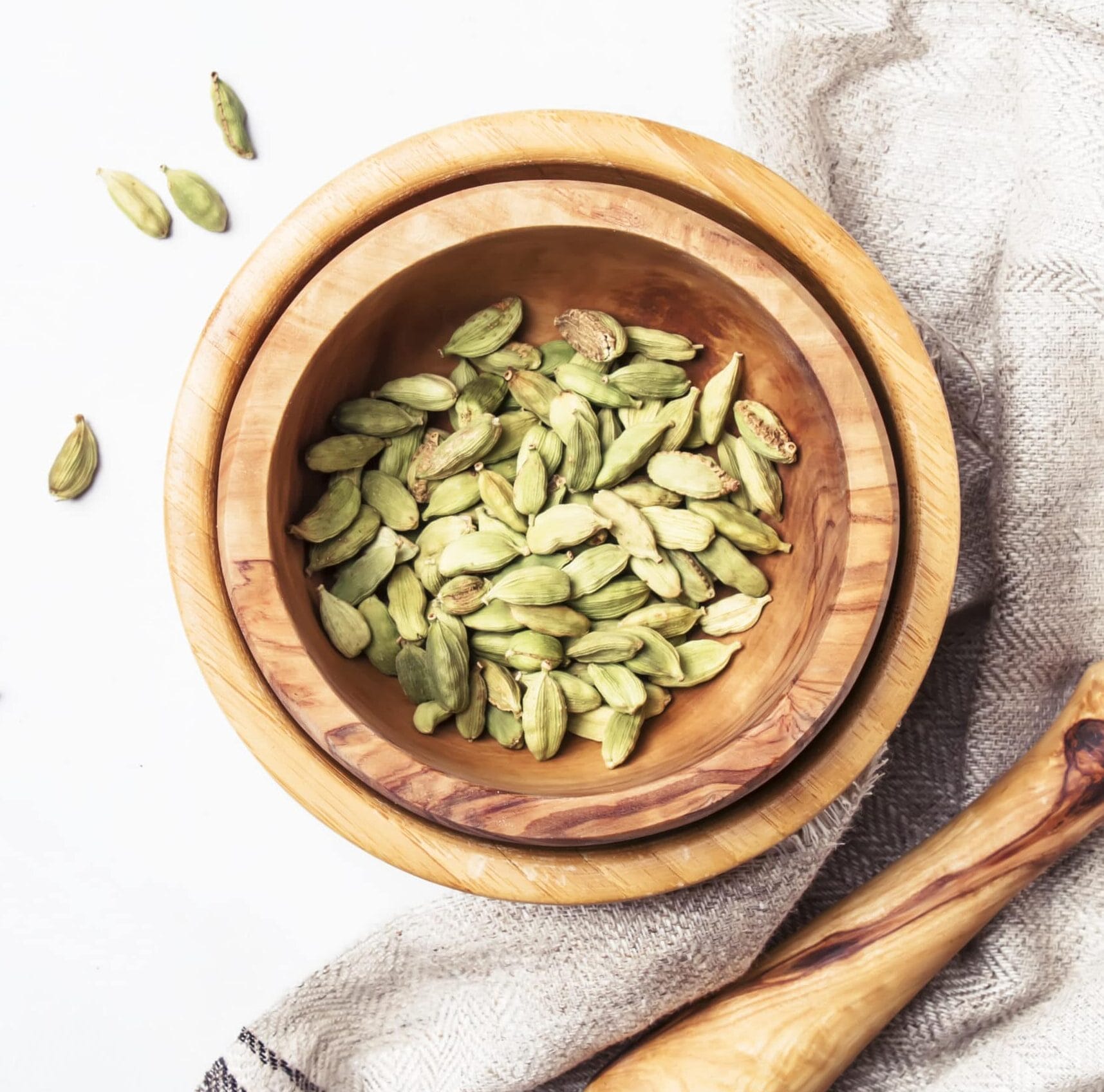
Organic Cardamom Powder

  • Rich in antioxidants for anti-aging benefits
  • Boosts immune system
  • Supports respiratory health
  • Reduces cold and cough symptoms
  • Stimulates the secretion of digestive enzymes
  • Has antimicrobial and antibacterial properties
  • Fights streptococcus, candida that cause gastrointestinal infections
  • Supports kidney and bladder Health
  • Supports healthy blood glucose levels
  • Promotes healthy metabolism
  • Support healthy cholesterol and triglyceride levels

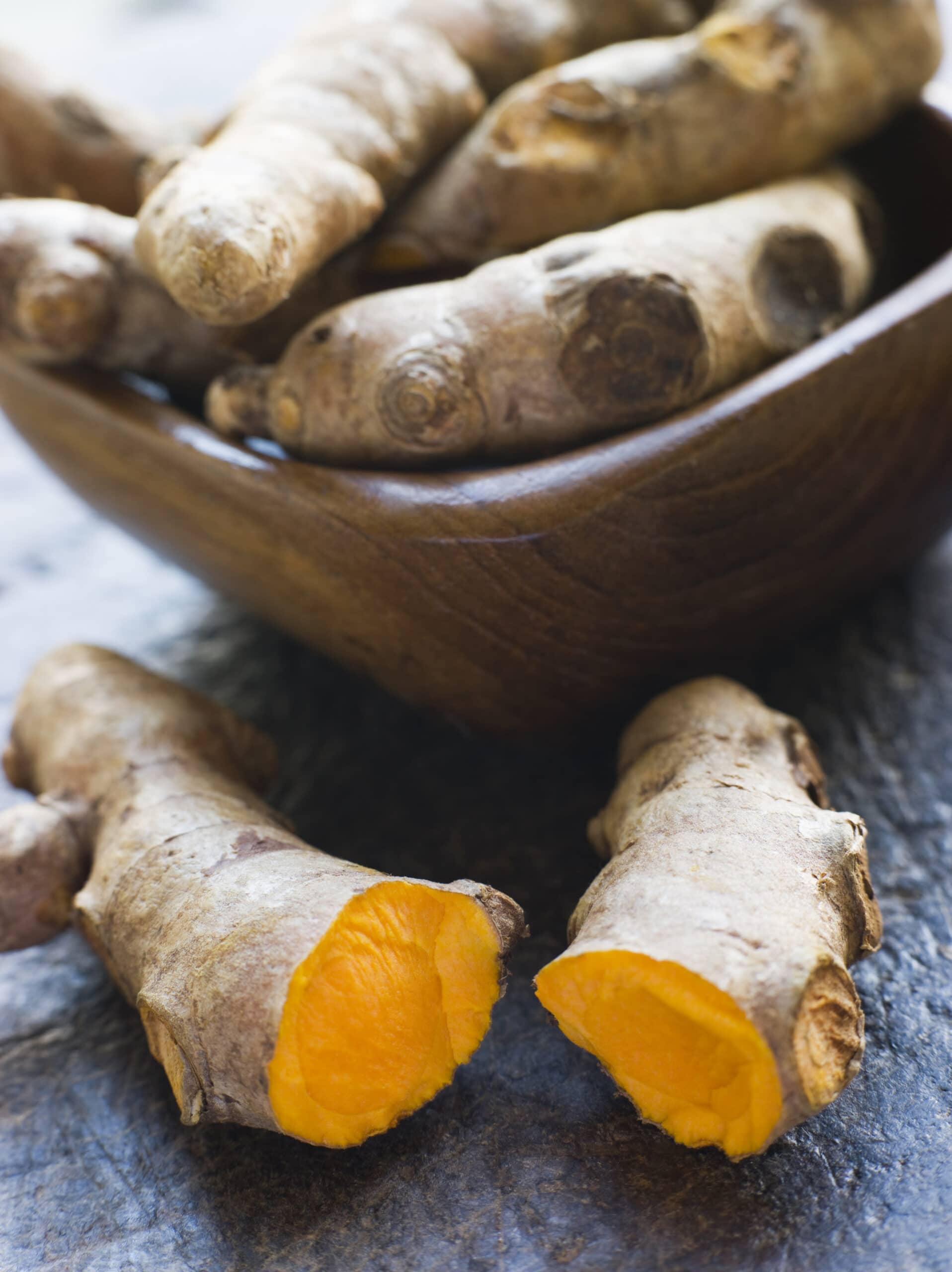
Organic Turmeric Root

  • Reduces arthritis symptoms
  • Boosts immune function
  • Helps support cardiovascular health
  • Helps prevent and treat cancer
  • Helps manage irritable bowel syndrome or IBS
  • Prevents and treats Alzheimer’s and other brain diseases
  • Builds Immunity
  • Reduces Body Pains
  • Boosts Skin Health
  • Aids Weight Loss and Digestion
  • Good for Liver Health
  • Antioxidant
  • Anti-Inflammatory

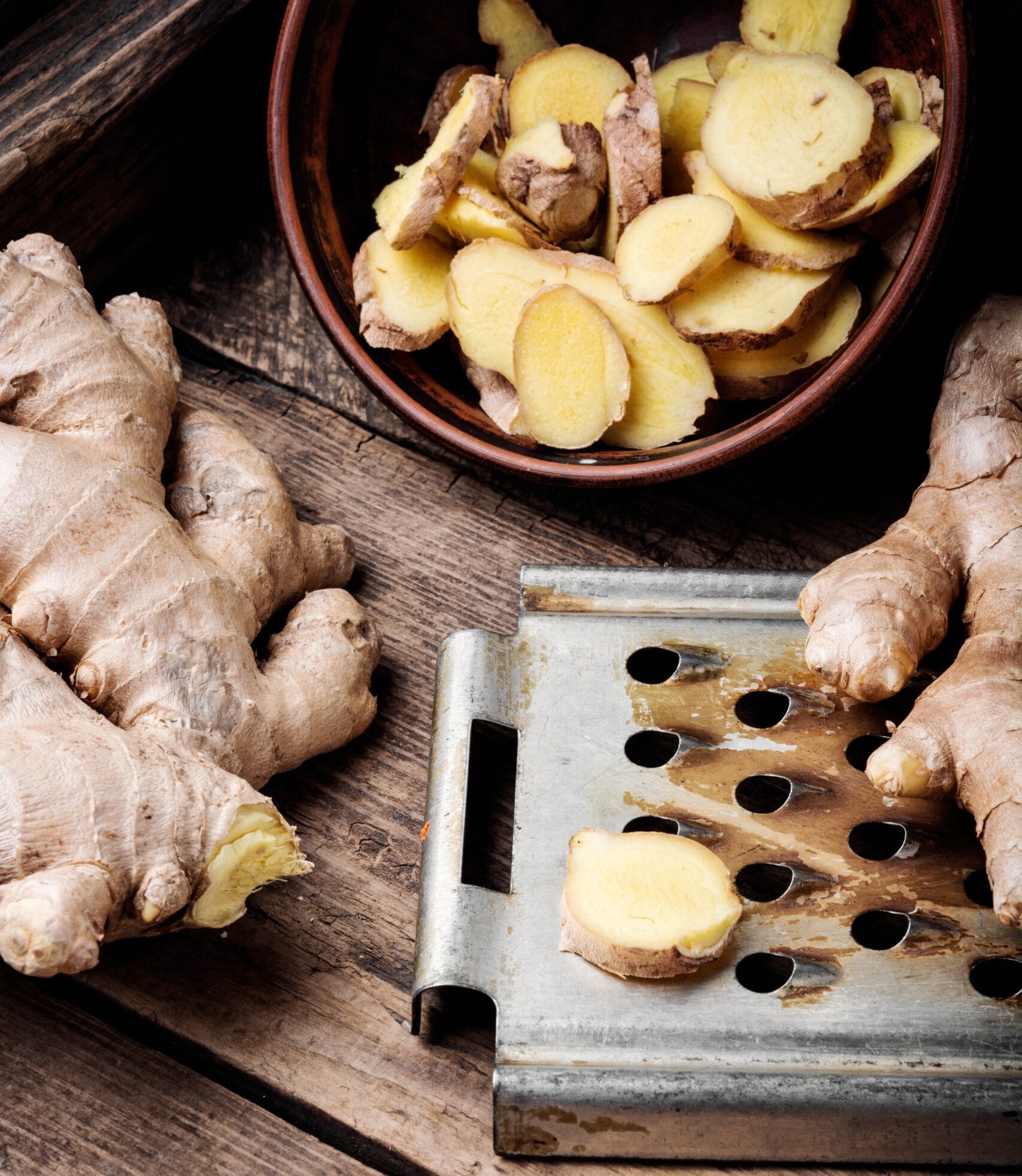
Organic Ginger Root

  • Reduces pain and discomfort in joints
  • Helps with nausea
  • Relieves Gas
  • Facilitates elimination of wastes
  • Clears the microcirculatory channels of the body
  • Facilitates better absorption of nutrients
  • Stimulates digestive fire to improve digestion
  • Helps clear mucus
  • Soothes nerves
  • Improves circulation

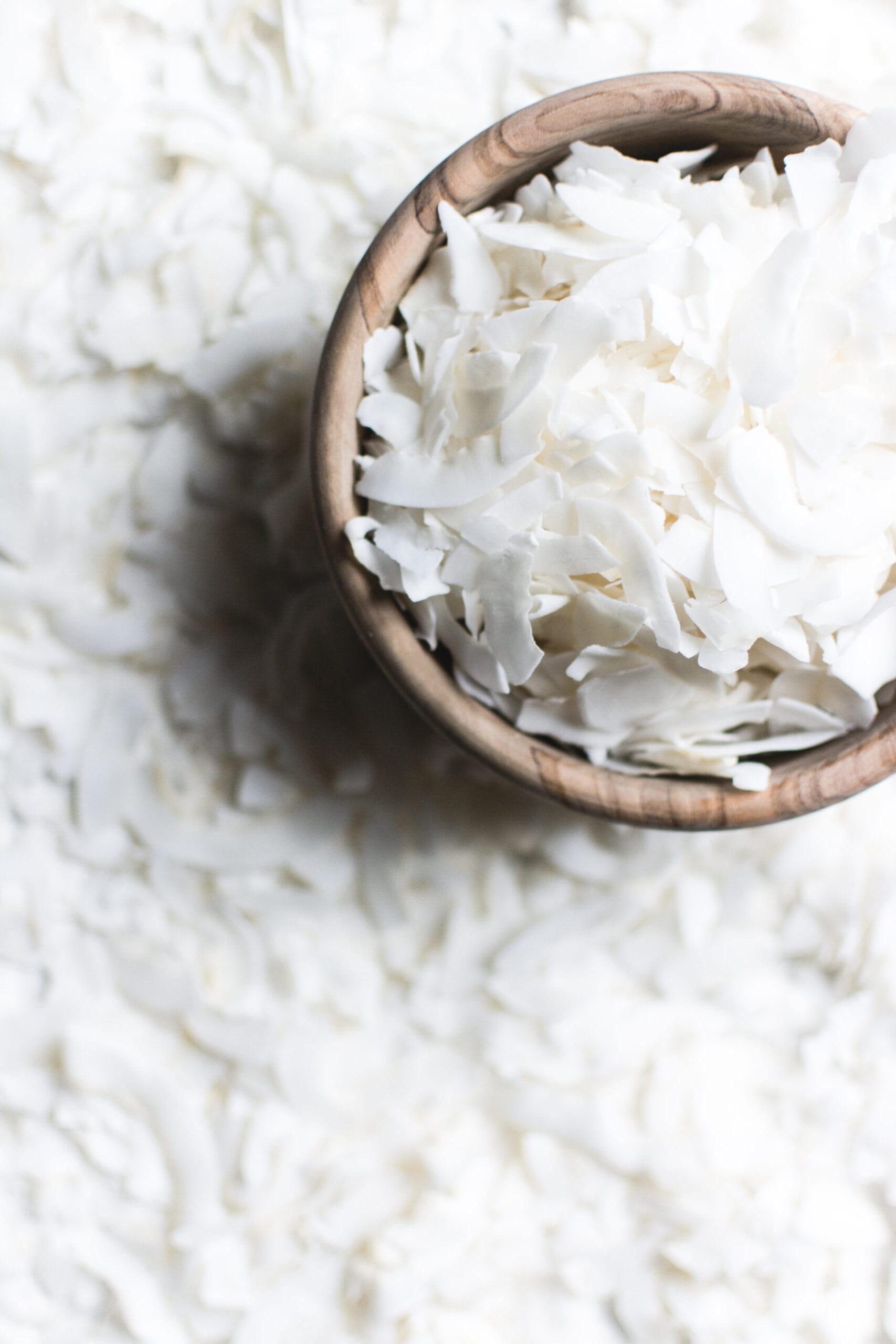
Organic Coconut – Raw Unsweetened Flakes

  • Helps boost metabolism
  • Aids in fat elimination
  • Aids in detoxification of the body
  • Balances and soothes the digestive tract
  • Improves digestion and absorption of nutrients, vitamins, and minerals
  • Aids in the removal of free radicals that cause premature aging
  • Restores oxidative tissue damage
  • Supports immune system health
  • Acts as an anti-viral, antibacterial, anti-fungal and anti-parasitic agent
  • Good source of healthy medium-chain fatty acids
  • Improves insulin secretion and symptoms associated with diabetes
  • Reduces the risk of heart disease and improves good cholesterol (HDL) 

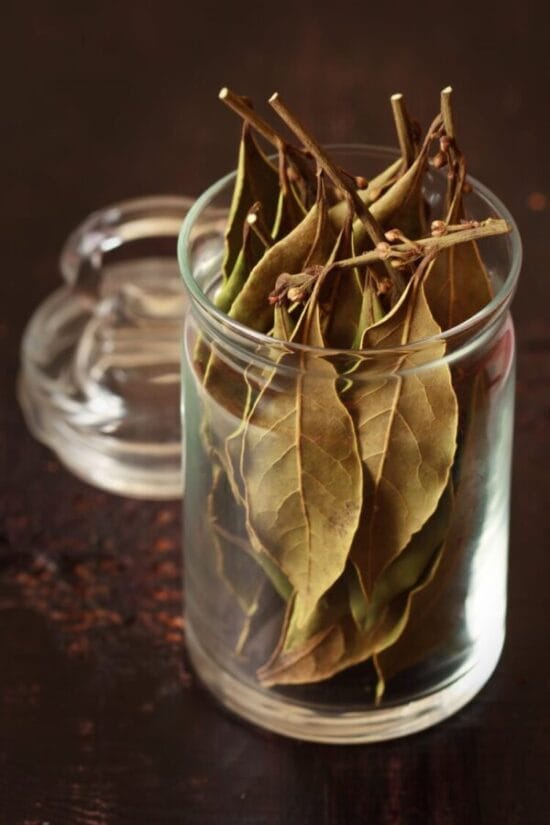
Organic Bay Leaf

  • Anti-Cancer properties
  • Protects against oxidative stress
  • Protects against bacterial infections
  • Helps alleviate flu symptoms and reduce fever
  • Slows the aging process
  • Speeds wound healing
  • Optimizes the digestive process, stimulates digestive juices, reduces gas
  • Reduces inflammation
  • Alleviates respiratory issues
  • Helps manage diabetes
  • Helps remove toxins from the body
  • May reduce celiac symptoms

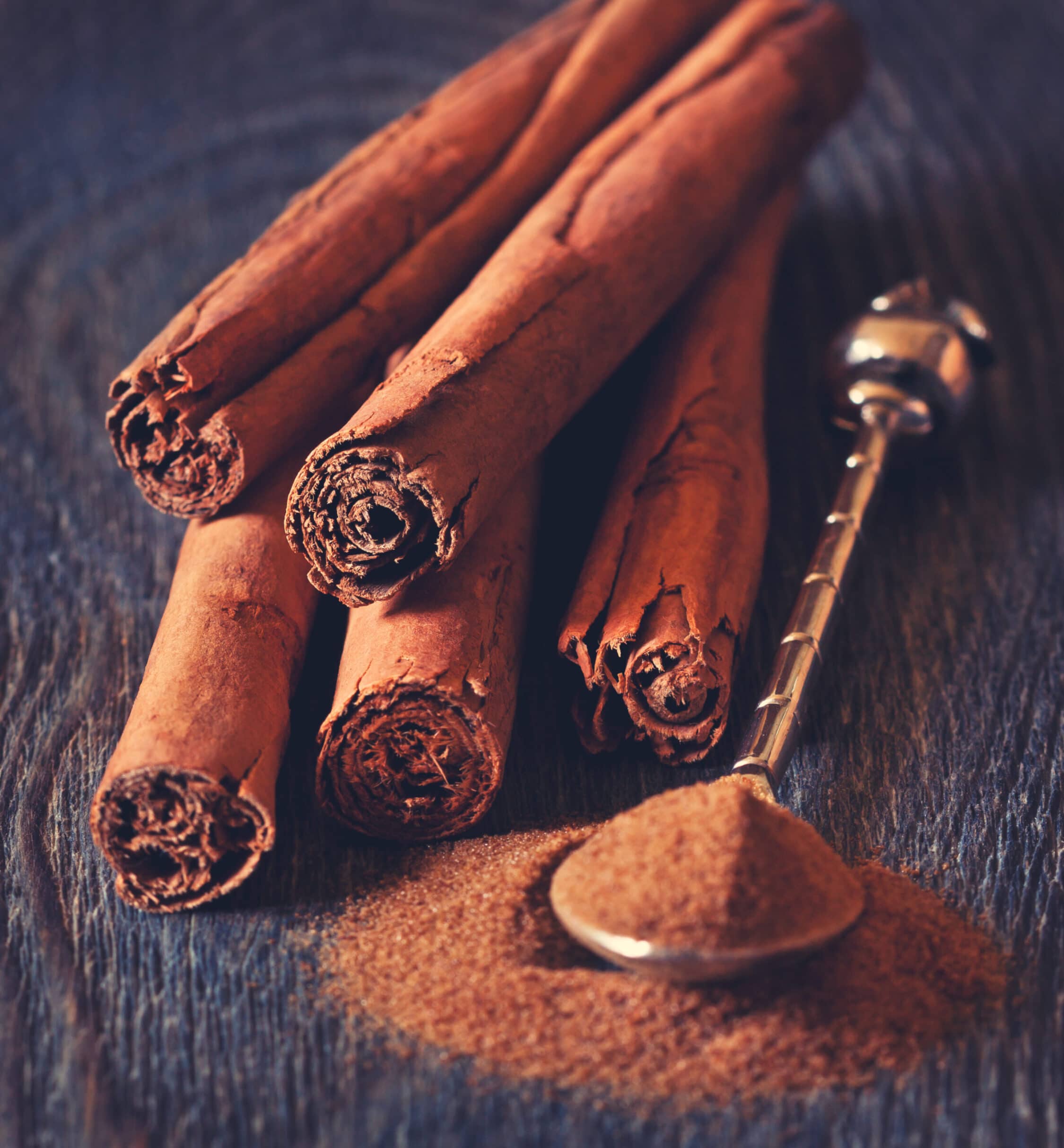
Organic Cinnamon Sticks

  • Helps alleviate cough and phlegm
  • Prevents growth of acne causing bacteria
  • Good for skin and complexion, relieves dry skin
  • Enhances blood circulation
  • Promotes hair growth and strengthens hair roots
  • Reduces triglycerides
  • Balances blood sugar
  • Lowers LDL cholesterol
  • Reduces symptoms in type 2 diabetes
  • Dramatically improves digestion and absorption
  • Acts as an anti-bacterial agent that heals infections in the GI tract
  • Relieves sinus headaches

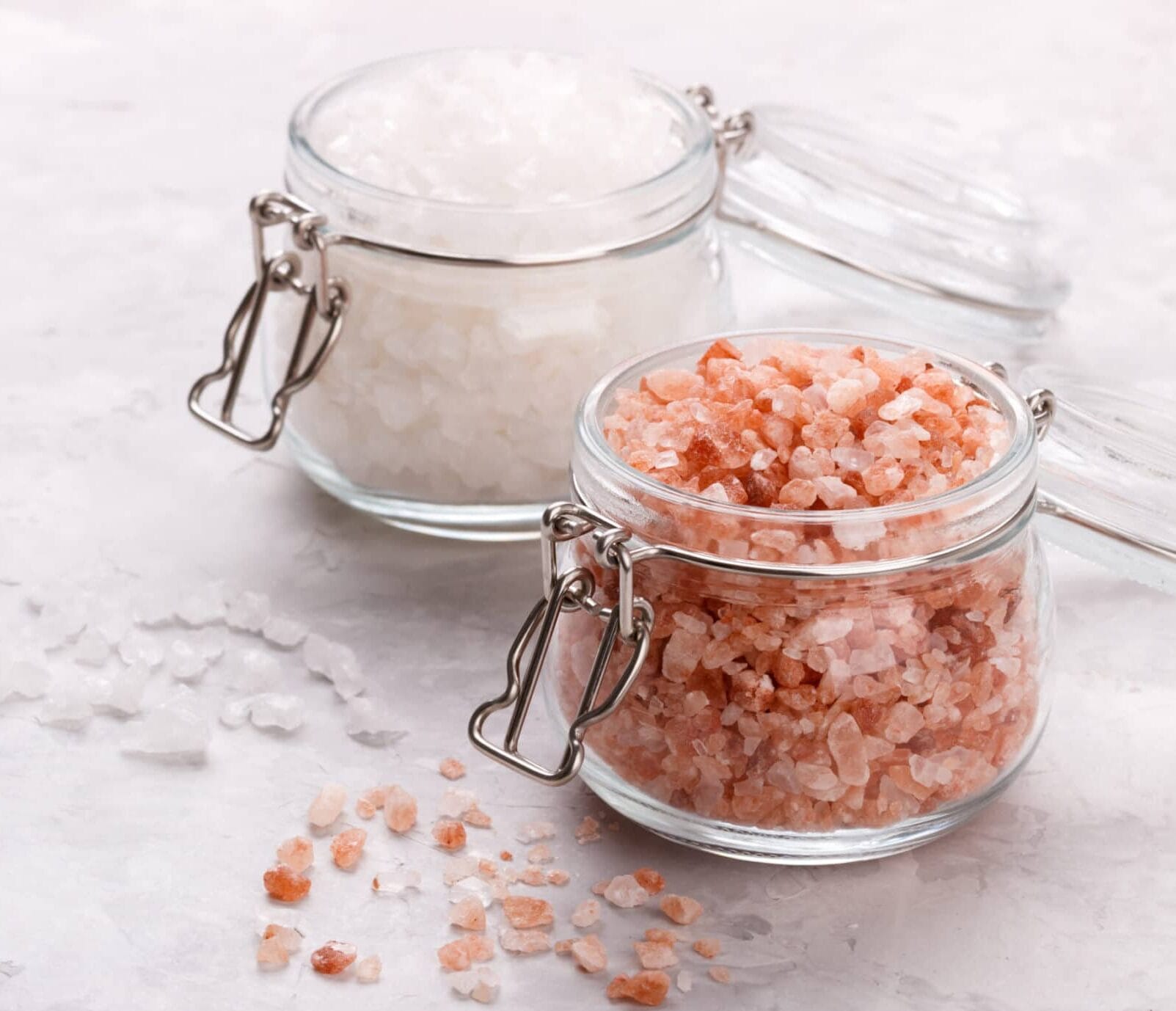
Mineral Salts

  • Helps eliminate waste from the body
  • Aids in the proper function of the digestive system
  • Boosts the digestive fire
  • Relieves pain in the colon
  • Soma Salt Reduces inflammation
  • Himalayan Pink Salt good for all constitutions
  • Sea Salt is heating and increases digestive fire, improves circulation

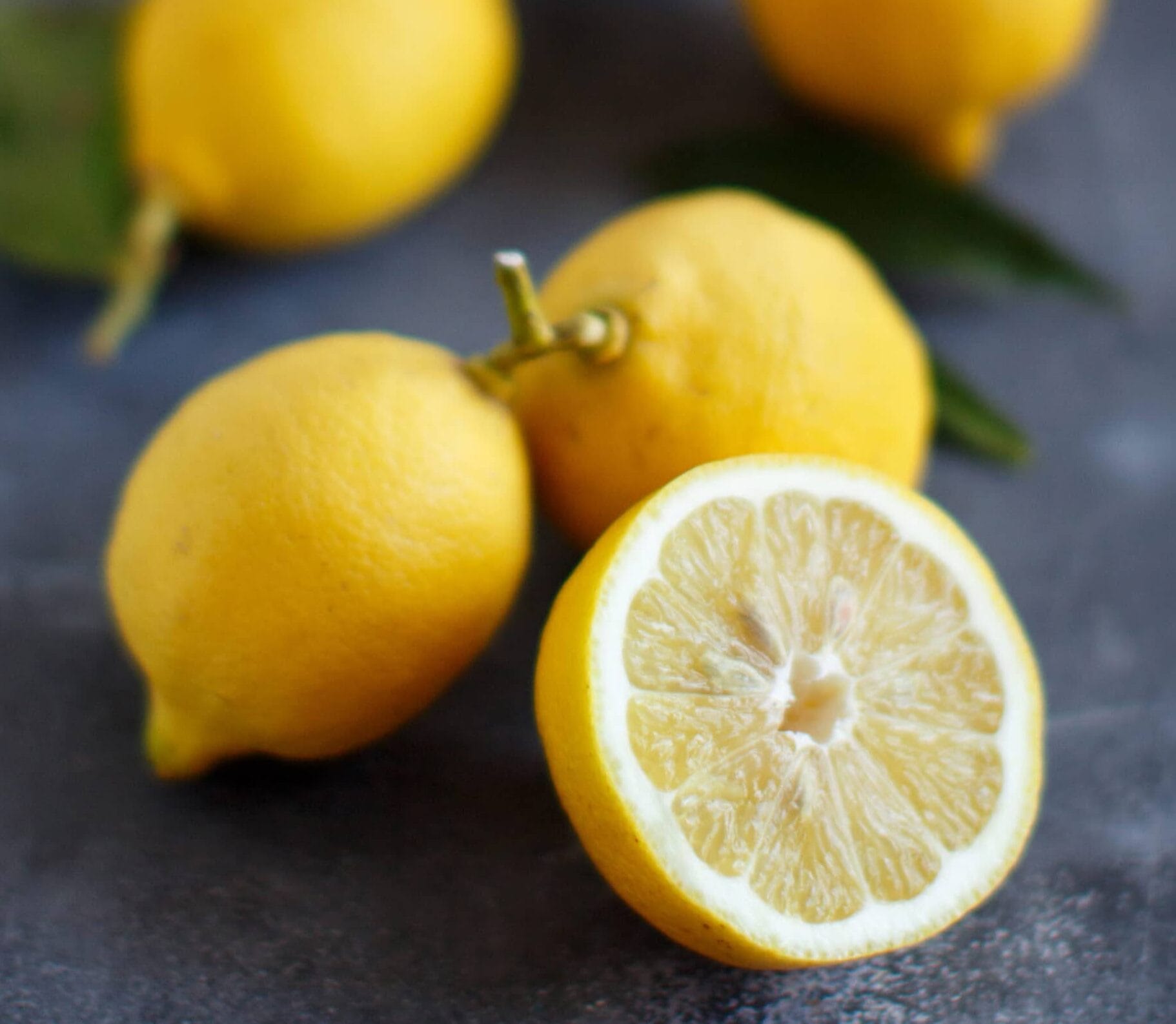
Organic Lemon Juice

  • Provides the sour taste
  • Stimulates Agni (digestive fire)
  • Helps relieve Gastritis pain
  • Relieves Cough
  • Helps with indigestion
  • Relieves thirst

The Miracle of Self-Healing Begins Now!


In preparation for the cleanse, I recommend minimizing or removing some things from your diet for at least 1 to 3 days before your cleanse. I usually start to taper off on a Monday and then begin my cleanse by Friday. The great thing about this cleanse is that it’s an easy reset and will conquer any cravings you are currently struggling with. If you’ve been craving sugar after every meal or craving too much caffeine, this will give you a clean slate and inspire you to eat healthier and get more exercise.

Begin limiting the following:

  • Alcohol
  • Caffeine
  • Meat
  • Dairy
  • Refined sugar, and foods that contain corn syrup and other processed sweeteners
  • Flour products such as cookies, pastry, cakes, doughnuts
  • Canned and Highly processed foods
  • Cold and Raw foods such as raw veggies, salads
  • Cold cereal, granola
  • Frozen smoothies (fresh smoothies and juices without ice are fine)
  • Fried Food
  • Candy and Chocolate

Eat whole fresh organic foods, mostly cooked from scratch, avoid cold leftovers from the refrigerator. Eat easy to digest foods such as veggie soups, fresh steamed veggies like broccoli cauliflower carrots zucchini. Roast veggies such as brussels sprouts, asparagus, sweet potato or butternut squash. Use cooked grains like quinoa, barley, farro, millet or rice. Eat lots of fresh whole fruits and berries. You can make baked apples or pears with cinnamon, nutmeg and ginger and sweeten with maple syrup or honey for a delicious desert.


Eat with the Cycles of the Day


Each day of your cleanse you can prepare some fresh oatmeal for breakfast and then make a batch of Kitchari which you will eat for both lunch and dinner. You can make enough for 3 days and keep it in the refrigerator if that’s easier for you, however I prefer to make a fresh batch daily. Your lunch should be your biggest meal of the day and have your dinner no later than 6 pm. This is an Ayurvedic Dinacharya (daily routine) practice of eating with the cycles of the day. Lunch is the time of day when the Sun (fire) is highest in the sky and this is believed to be the time that your digestive fire is the highest, enabling you to digest a larger amount of food more efficiently. Try not to eat anything after 6pm, your digestive fire weakens after this time. Ideally you would have breakfast at 7 am, lunch at noon and dinner at 5 pm.

Take a teaspoon of Tahini and 6 Golden Raisins before each meal and in between meals to stimulate the digestive process and lubricate the digestive tract. This will help eliminate the fat-soluble toxins as well as excess cholesterol in the body. Tahini is high in alkaline and high in minerals which will help strengthen the immune system. Tahini has more protein than milk and is loaded with B vitamins and Vitamin E, which will help with brain function and energy during the cleanse. Tahini is also an excellent source of calcium. Golden Raisins are also high in calcium, minerals and antioxidants loaded with health benefits and will insure against constipation during the cleanse.


Add Some Fuel to the Fire


Try not to overeat. The rule in Ayurveda is to keep your stomach at least ¼ empty. This includes liquids. It is also recommended that you avoid drinking cold drinks with meals. This will dilute your digestive juices and put out your digestive fire. This is the big mistake most of us make every day. We drink cold beverages with our meals. In Ayurveda you drink between meals but never or very little with your meal. The maximum you should drink is ¼ of your stomach capacity. Following this rule, after a meal your stomach is ½ food, ¼ liquid and ¼ empty. After learning this practice it became a healthy habit for me and I now eat this way all of the time. It’s easy once you practice it a bit.

Between meals it’s good to sip Fresh ginger tea. Ginger is a heating spice that stimulates your digestive fire. We want to keep our fire hot throughout the cleanse by only drinking hot or warm spiced teas and no cold beverages. Drink as much water as you like, however hot water is best or you can have it at room temperature.

To make Fresh Ginger Tea use a piece of organic ginger root about the size of your thumb and slice it into strips (no need to peel), boil it in 5 cups of water for 5 minutes on med heat, then reduce heat to low for 10 minutes. Strain and put in a thermos and drink throughout the day. If it tastes too spicy you can add a little honey.

Another option for increasing the effectiveness of the cleanse is to make up a batch of CCF Tea. This is a classic Ayurvedic detox tea made with Coriander, Cumin, and Fennel. This combination of spices builds the Agni (digestive fire) and stimulates the lymph to release toxins and flushes toxic waste out of the body.

Follow this easy recipe to make CCF Tea:

  • ½ Teaspoon Organic Coriander Seeds
  • ½ Teaspoon Organic Cumin Seeds
  • ½ Teaspoon Organic Fennel Seeds
  • 4 cups of spring water

Boil the water and seeds over medium heat for 5 minutes, then reduce heat to simmer for 5 minutes. Strain the water to remove the seeds and pour into a thermos to keep warm. I like to combine the two recipes personally. I just add the ginger to the water with my seeds and prepare it all together. I make a big batch and keep it in the refrigerator and heat up a cup at a time when want it. At first I thought the taste was a little weird but now I love it. It makes me feel good to be consuming something warm and spicy that’s good for me. Again, add a little honey (after you brew it; do not add honey to boiling water) if it seems too spicy for you.


Circulate, Detoxify & Nourish


Exercise is also recommended to stimulate blood flow and circulation throughout the body and facilitate the elimination of toxins from the blood and lymph. Exercise just enough to break a light sweat, do not overdo. Try going for an early morning walk outdoors at a brisk enough pace to stimulate a sweat. You don’t need to sweat profusely, just dampness on the forehead, armpits, or back of the neck is enough. You just need to stimulate the sweat glands. Also take a hot bath, hot shower or steam bath or use a sauna to help the body sweat. Try to do one or more of these activities for at least 20-30 minutes each day.

Nourish yourself. Get a massage, facial, craniosacral therapy or acupuncture treatment. Walk barefoot on the beach. Breathe deeply. Take a gentle flow yoga class or restorative yoga. Many of the studios are offering online classes now, so you don’t even need to leave the house. Read an uplifting book or listen to soothing music.

Pay attention to what you are taking in. Avoid negative energies such as TV or movies with violence, crime, intense suspense, etc. These will cause you to feel negative emotions which will release stress hormones into your body. Spend time in the garden or go to a park and picnic under a tree. Do things that open your heart and nourish your soul.

Goodbye Toxins! Hello Radiant Health!


There are many different versions of the Kitchari Recipe and you can find them easily with a quick google search. I am sharing with you my favorite, which I have made many more times than I can count. This is a delicious blend of ingredients that includes all 6 tastes, which is another lesson learned from this ancient practice. Ayurveda believes that in order to have balance in our body and mind, we need to include all six tastes in our meals. Each individual ingredient (food and spice) has an individual quality, energy, action and effect on our being. The six tastes are Sweet, Sour, Salty, Bitter, Astringent and Pungent.

This is one of the reasons Ayurveda is considered “The Science of Life”. Ayurveda looks at the 5 elements; Earth, Water, Fire, Air and Ether, the cycles of the day, the seasons, and the climate and tries to live in balance with all of these qualities and energies. We each have a constitution (Prakriti, Dosha) that is made up of a combination of these elements and each person has their own individual combination. In order to balance the energies, you need to find where you are out of balance, what elements are being affected, and then bring them back into balance. One way to facilitate balance is to reset the digestive system with healthy medicinal meals that contain all six tastes. So, let’s get started!

Download Our Printable Recipe Guide!

Download Now!

Here is the GROCERY LIST.

Buy everything ORGANIC, you don’t want to add more pesticides when you are trying to detox:

  • Split Yellow Mung Beans or Sprouted Mung Beans
  • White or Brown Basmati Rice (white is easier to digest; brown has more fiber)
  • Coriander Seeds
  • Fennel Seeds
  • Cumin Seeds
  • Turmeric Powder or Fresh Turmeric Root
  • Ground Cardamom
  • Fresh Ginger Root
  • Ceylon Cinnamon Sticks
  • Unsweetened Coconut Flakes
  • Bay Leaf
  • Fresh Cilantro
  • Fresh Kale or Spinach
  • 2 Lemons
  • Coconut Oil
  • Organic Low Sodium Vegetable Broth (or homemade)
  • Fresh Vegetables (choose 2-3, avoid nightshades)

Vegetables may be added to your dish or served on the side. Consider carrots, sweet potatoes, celery, broccoli rabe, butternut squash, beets, green beans, cauliflower, rutabagas, yuca, kohlrabi, or radishes. I usually do sweet potatoes roasted with Garam Masala Seasoning with mine (recipe below) and I serve them on the side. However, you can choose any vegetables you want as long as they are fresh and organic. You can roast them, steam them or cook them in the Kitchari. Avoid frozen or canned as the necessary enzymes and nutrients are depleted during processing. Avoid nightshades due to the fact that they have a natural built in pesticide called glycoalkaloids which can affect the nervous system and cause inflammation in the body, exactly what we are trying to combat.

Ayurvedic Kitchari Recipe


Prep Time: 15 minutes

Cook Time: 40 minutes

Makes enough for 3-4 servings depending on portion size

Ingredients for Ayurvedic Kitchari:

  • 1/2 Cup Split Yellow Mung Beans soaked overnight (or already sprouted mung beans)
  • 1/2 Cup Rice
  • 1 Tablespoon Coconut Oil
  • 3 Cups Vegetable Broth
  • 1/2 tablespoon of Fresh Grated Ginger
  • 2 tablespoons of Unsweetened Coconut Flakes
  • 1/2 cup of Spring Water
  • 1/2 tsp Cumin Seeds
  • 1/2 tsp Coriander Seeds or Powder (seeds have a very strong flavor, I like it, some don’t)
  • 1/2 tsp Fennel Seeds
  • 1/2 tsp Turmeric Powder or 1 tsp of Fresh Grated Turmeric Root
  • 1/4 tsp Ground Cardamom
  • 1 Bay Leaf  1 Cinnamon Stick
  • 1-2 tsp Mineral Salt to Taste
  • 1/4 Cup Fresh Cilantro
  • 1-2 wedges of Fresh Squeezed Lemon or Lime (to taste)
  • 2 Kale Leaves, stems removed, torn into bite sized pieces or a handful of fresh spinach leaves
  • Optional: 1-2 cups of chopped vegetables of your choice

Directions:

Rinse the rice and mung beans and set aside.

In a small glass or measuring cup mix the grated ginger with the coconut flakes and water and set aside.

Using a 3-quart pot melt the coconut oil over medium heat. When the oil is hot add the cumin, coriander, fennel, turmeric and cardamom to the pot and cook until sizzling and fragrant (1-2 minutes).

Now add the ginger and coconut mixture along with the bay leaf and cinnamon stick and cook for 2 minutes.

Now add the rice, mung beans and vegetable broth and bring to a boil.

Once you have a good rolling boil going you can add your chopped vegetables (optional). Bring back to a boil, reduce heat to low and cover with a lid. Set timer for 30 minutes.

Now is the time to prepare your vegetables if you are serving them on the side.

Check your Kitchari occasionally and add extra water if needed.  If you want a more soup like consistency you may need to add more liquid. Otherwise it should be more like a porridge consistency.

After 30 minutes stir in the salt and taste to see if your rice and mung are soft. If you used white rice and sprouted mung beans your dish should be just about done. If you used brown rice and split mung beans, you may need to cook another 10 minutes.

Now add your chopped kale or spinach and cook for another 5-10 minutes.

Lastly, top with fresh cilantro and squeeze of lemon or lime juice and serve.


Sweet Potatoes Roasted with Garam Masala

Ingredients for Roasted Sweet Potato:

  • 2 large sweet potatoes
  • 2 tsp Garam Masala Powder
  • 2 Tbsp melted Coconut Oil
  • 1/2 tsp Mineral Salt

Directions to Cook:

Preheat oven to 400

Wash potatoes and cut into wedges. Place in a large mixing bowl and sprinkle with the garam masala, coconut oil and salt. Toss well to coat wedges with the spice and oil. Place on a baking sheet and cook for 10 minutes. Turn over with spatula and cook another 10 minutes. Serve with Kitchari.

I hope you enjoy this cleanse as much as I have throughout the years. It’s actually so easy to stick with and the results are amazing. It will motivate you to take better care of yourself on a daily basis and give you the jump start you need to improve your overall health and wellbeing. Ayurveda played a huge part in my own recovery from 30 years of addiction and depression which had taken such a toll on my physical health that, at 48 years old, I felt like I was living in a 90 year old body. My healing journey began in Bali in early 2012 where I met an Ayurvedic doctor who showed me how to heal myself. In a few short months, I completely recovered and have been pain free for almost 8 years. I hope this inspires you to learn more about these ancient practices that heal the Body, Mind and Soul and teach you how to live a beautiful, joyful and healthy life!


Many blessings to all,


Kay White

Founder of Villa Kali Ma

Categories
General

Weaving a New Social Fabric

The fabric of our society has been unraveling for a while.

There was a phase in history when we lived in tribes, subsisting in more collective, sharing-based communities. Even in our industrial age, until recently it was not at all strange to live with multiple generations under the same roof.

Over the millennia, we have been sliced into more and more atomic units. These days, even the infamous nuclear family is often not intact, and many people live completely alone.

Even inside of ourselves, parts of our own personalities are split off and disconnected from each other. It is as though a fractal pattern of separation has gone viral in our collective self, creating more and more replications of the painful split from nature, from others, from our source, and from our own selves.

Societies in which people live less alone, due to a more collective social structure, often report less incidence of addiction, and many go-it-alone types of cultures report higher incidences of addiction and suicide.

If addiction and suicide don’t get us, consider that loneliness has been linked with multiple life-threatening health problems, and might be more likely to kill us than most other factors influencing the contemporary mode of life. We can literally die of a broken heart.

Through social media we are paradoxically more disconnected than ever – from those sitting right next to us – while we pursue and consume inorganic experiences of connection mediated by technological platforms. It is no surprise that social media and internet are addictive, as they provide us with inauthentic, cheap and easily-consumed experiences of what we’re really seeking in our souls, without asking us to change our lives by relinquishing our ego.

Like all addictive substances, social media takes advantage of a genuine spiritual need, seems to answer it, and lets us get away with “not doing the work” of going through the transformation that would cause us to develop the ability to feel deeply connected in the way we truly thirst for.

The rise in need for digital detoxes makes perfect sense – just as with addictive substances, the fake solution needs to be removed out of our system for us to feel our genuine disconnection, the devastating pain of which is the causation point of us finding our way to true connection through some kind of spiritual regeneration.

In fact, separatiois a part of the alchemical process of spiritual transformation. For many of us it is only when we withdraw from our families and friends and experience genuine, deep aloneness that we are able to go through the fiery, restorative transformations that are necessary to uncover, and finally live true to, that within us which is authentic.

For those of us going through a dark night of the soul process, we may find that whether we want it or not, something within us ensures that we get time in psychological, if not literal, isolation. Joseph Campbell writes about the necessity of hermitage, a period of solitude and sequestering during which we are at last alone enough to discover the voice of our true Higher Power. This stage ends at some point, and we return from the wilderness of our isolation with a gift for the community, which we could only have received in the purity of aloneness.

For a lot of us in recovery, the intense social isolation induced by addiction provides us with the necessary darkness and erosion of our identification with ego to sufficiently prepare us for spiritual awakening. That’s why no matter how much of a burden addiction is, it is a boon once it is converted into recovery.

When spiritual solitude is seen for the value that it provides, we might consider that our society’s increasing tendency towards disconnection may be part of that drive. Collectively, a dark night of the soul is clearly upon us, as the world around us reflects. Perhaps the division into more and more isolated fragments is part of a larger process that precedes an awakening to reunification. Certainly the pain of it is extreme, and pain can be a great awakener.

Be that as it may, as more and more of us – whether due to being in recovery or on another type of awakening path – go through genuine solitude and get to its solution, genuine connection, we will be able to come together and build communities that express and hold a spirit of wholeness in them. In that way, just as the mainstream culture erodes, so the subculture of recovering ones expands and thrives more and more, weaving us into a connected fabric.

As painful as the destruction of our old world social fabric is, this weaving of our new social fabric is something to celebrate with all of our hearts. Thanks for reading!

Are you or a loved one looking into recovery? Click here to visit our site for more information. 

Categories
General

Recovering Creativity

Julia Cameron’s resourceful book, an oldie but goodie, The Artist’s Way, holds many divine mysteries for those of us in recovery, especially those of us with a growing yearning to create and express. Using a format inspired by 12 Step, she explores themes related to coming into a more reliant relationship with our God Source, whom she names as inherently creative, to the point where we allow that God Source to be opulently expressive in our lives.

I don’t think it’s a coincidence that many of our most loved and cherished cultural icons, artists, and specially-gifted people struggle with addiction at some point in their lives. The same qualities which make a person’s veil a bit too thin, her doors a bit too open, and her soul a bit too transparently bright, make her susceptible to turning to a substance to help her modulate what’s coming through her exquisite, sensitive channels when they get overloaded.
Artists are often ultra fine-tuned, with ears, eyes, noses, mouths, senses, emotions, and minds that perceive our intersecting realities in more specialized ways than others might. Artists may receive the vibrations of their emotions at a more amplified and intense volume than other personality types. More often than not, they are thin-skinned, permeable, vulnerable, mercurial.

Artists function like barometers of the collective field, expressing what’s going on in our group soul, whether that is rapturous joy or devastating pain. Artists are like scientific instruments tuned to register subtle oscillations not all of us perceive, and therefore get to experience things that not everyone is so naturally privy to. (But all people can develop the artist within them).

At the same time, that sensitivity, since it can’t be turned off, makes the painful challenges of life – the rejections, the slights, the brokenhearted empathy with all of the world’s aches, the misunderstandings, the isolation – more loud and all-encompassing. Of course such a person might find her way to the modulating effects of drugs and alcohol.

I think it is also no accident that whether or not they identify as artists, many people who end up with addiction problems share the same genetic trait to begin with – the gift-curse of being especially, unusually sensitive. Artists and highly sensitive people both are more likely to get enmeshed in addiction matrices than others.

Recovery affects our artistic sensibilities and our sensitivities as well. Typically, our creativity and uniqueness is resurrected once we achieve some measure of stability in our recovery. Our own perspective and take on the world is one of the gifts that recovery gives back to us. Sensitive perception, creative responses to what we perceive, and the ability to rest naturally in authentic, spontaneous streams of Being are gifts that get corroded and corrupted by addiction, but which then return in purified, integrated, and balanced forms once the inner spiritual alchemy of recovery has been borne to a certain degree.

Authenticity and creativity are specifically about having the inspiration and nerve to proceed in an unauthorized direction in spite of the countless social controls. The worry lives in all of us that if we do anything unscripted, anything that hasn’t been done before, anything truly revelatory (in the sense that it reveals something previously hidden, about us or about our world), we will get social consequences.

In fact, many people close to us do worry about us (aka project their deep-seated anxieties onto us) and counsel us (aka try to get us to do what makes themfeel better) when we get into our mysteries and therefore become a bit unknown to them. We will likely be encouraged to go back into the domain of what’s safe and socially pre-approved, where they think we can’t be hurt, and where they aren’t unsettled by us anymore because we are perfectly pre-defined. But living only what’s been scripted deprives of the deep joy of improvisation.

At its core, a sincere opening to creativity is radical and spiritual. Ego – the often quite inauthentic, conditioned personality that we present to the world in lieu of our true face – and superego (the one that tries to shame and criticize us into being “good” people, where good is mainly defined by what others will praise and accept, and “bad” is nothing more than a collection of ideas about what will cause other people to reject, blame, criticize, ridicule, or attack us) run counter to God Source surrender. When we choose to ignore ego to strengthen the stream of creativity within us, we strengthen our dedication to God Source.

In recovery, we learn how to tune out the noise of ego and superego, to tune into the still, small voice within, the voice of our own, personal Higher Power. This power, the one that retrieved us from the clutches of addiction, the one who has the power that is greater than ourselves, is full of its own ideas about life, that don’t necessarily match what others want from us. This power is a true, deep rebel, a magnetic and beautiful presence with a natural authority that answers to no one but that which is at one with all life.

Higher Power is creative – you could even call her an artist. People who come to know their Higher Power as a palpable presence in their lives, like people who stick around recovery rooms usually do, eventually see that God Source likes to create things, and will do so with harmony, balance, and beauty. If we ask to be, we can be God Source’s living creation in action, the effervescence of what flows out from the spiritual realms. As Eckhart Tolle phrases it, “Life is the dancer, and [we] are the dance.”

When I think about how many people have been shamed out of their natural right to experience and express creativity I feel very sad. That’s akin to shaming people out of their right to know and experience God Source flow directly into them, and to enjoy whatever form-play that Source flow wants to do through them. This is one of the ways in which our world is spiritually bankrupt.

Instead, we could be spiritually luxuriant – filled with supply and support from within. What magnificent benefit might come to our beautiful, broken planet, if more of us could surrender to Source and let it flow its creativity into the outer world? What brilliant philosophies, funny jokes, beautiful buildings, harmonious communities, ecological solutions, spontaneous healings, inspiring art works, and cures for ill could spring forth from that power? Wouldn’t it be nice to find out?

Are you or a loved one looking into recovery? Click here to visit our site for more information. 

Categories
General Love

The Voice of Love

In my first year of 12 Step, I couldn’t get through one single day without calling multiple people in program for support. Grappling with the task of being a normal(ish) person on the outside, while feeling deeply unfit for life on the inside, required so much of me that I could barely breathe. Sometimes it was right in the morning, sometimes later on in the day, but at some point I would hit such a wall of pain, such a sideswipe, such an inability to move forward, that I would need to call someone and give voice to what was happening to me.

What was happening to me ranged from long bouts of intense crying, to paralyzing, nameless grief, to explosive fits of rage, to vicious panic attacks, to the longing to die, to urges to return to addictive behavior.

The person on the other end of the line mostly listened. Sometimes he or she offered soothing, nonjudgmental affirmations, like “That’s all right, sweetie”. Occasionally she helped me correct my thinking, by temporarily lending me hers, interrupting the momentum of my vortex of psychological agony to say something like, “That thing you can’t forgive yourself for – all of us have been there before. It’s human. It’s not your fault. It doesn’t define you. You are lovable and good.”

People in program gave me my first taste of unconditional love, spiritual perspective and hope of transformation: “This is a normal part of early recovery. It will get better. You will come out the other side. I can’t wait to see who you become.”

Program people had the ability to deeply understand, from their own personal experience, what I was thinking and feeling. Owing to the priceless wisdom that usually only arises from time spent personally suffering, they had the rare ability to let me be exactly where I was in my process, without any need to hurry me along.

At the same time, they were able to hold a higher perspective, the perspective of my potential. They could look at the wretched caterpillar version of me and calmly see the likelihood that I would become a butterfly (as long as I stuck with the process, which they also encouraged me to do). They were not afraid, like I was, that the caterpillar stage would last forever and that was all I’d ever be. They understood metamorphosis – that the process of spiritual transformation, if sincerely sought, is real, inevitable, natural; something we can trust in.

The combination of compassionate witnessing, allowing me to be exactly how I was, while at the same time believing in how I would be, guided me along, slowly but surely, to relief, recovery, and a life of magnitude and meaning far beyond what I could have imagined at that time in my life. My spirituality, my authenticity, my ability to be a good friend, my instincts for healing, my capacity to love deeply and yet hang onto my sense of self, even my calling in life, are all gifts which ripened in the warm “sunlight of the spirit” that circulates throughout the network of recovering people.

After a good long while of being lovingly heard, accepted, cheered on and validated by this group of truly unconditional others, I discovered I could also be the carrier of healing, loving thoughts. Program is a complete lifecycle, with the elders caring for the new ones, and the new ones relying on the experiences of elders. What activated me in my capacity as healer and channel for the voice of love were the desperate, raw needs of the newly recovering. Even though I was just hardly stable myself, when newcomers reached out to me with their enervating pains, with their oceanic needs, I found to my surprise that a healing, loving force spoke through me to them, with the same types of words that had been spoken to me: “It’s human to suffer, it’s not your fault, it doesn’t define you. You are lovable and good”.

With the spirit of kindness moving in me, I felt such tenderness, such a desire to relieve these new ones of their burdens, such a longing to soothe, comfort, and protect them. In fact with that love speaking through me, I said the things out loud that I had always longed to believe. The wounded parts of me heard the authority of the love in me, and began to feel safe for the first time in my life.

The voice of love is shared around the group, and does not belong to anyone in particular. No single person is the keeper of recovery or insanity – we take turns in the needy wounded role, and we also take turns speaking in the voice of love. Inspired by the aches of others, we channel a loving spirit whose words come to our lips when we see suffering.

The power of the recovery community entrained me to a vibration which I can still feel into, to this day. This vibration spirals upwards and outwards, towards more and more life. It reaches for more and more love, joy, and connection, for acceptance, for more claiming of all of us, more allowing of it all, more valuing of all people.

I will always be indebted to my disorders for leading me to get into recovery, where I discovered how love flows in a group consciousness that is tuned to the right station, and how I can be a channel for love too. I learned the value of our wounds: wounds are holes in our ego fortresses, places we can see through to each other. When we peek through those holes, when we see the real, magnificent, injured Self of the other in front of us, crying out for love, then we become the voice of love that that hurt Self needs.

May the voice of love visit you today. Thanks for reading!

Are you or a loved one looking into recovery? Click here to visit our site for more information. 

Categories
General

The Heart Chakra and the Fourth Step

The Fourth Step of any Twelve Step Program is to do a “searching and fearless moral inventory of ourselves”. It’s during the Fourth Step that we clean house. We come back to the wreckage left by the hurricane of our addiction and take stock of the damage.

It hurts. It hurts to recognize who we have been while living under the command of our addiction. We realize that we have not been sane, we have not been our intended selves, and that we have been, in one way or another, a source of pain for others. If we do our Fourth Step right, we will meet a challenging feeling: remorse.

Remorse burns. Remorse blazes in the heart. But remorse is a healing, cleansing, purifying fire. If I could send a blessing to anyone on this planet, it would be the power to feel remorse.

So many people push remorse away, and I understand why – I do it too. I do it when I am afraid of feeling shame about who I am, when I am frightened that if I let in even a tiny bit of regret, I will be swept into an undertow of self-hatred. Since a large part of me already believes that I am not worthy of love, I am scared to acknowledge any further evidence of my imperfection.

But without the gift of remorse we remain at best narcissistic and at worst psychopathic: not able to feel the harm we are doing to others. Narcissists and psychopaths also can’t feel what they are doing to others, and that is the key reason that they are difficult to treat.

People with addiction, luckily, don’t stay narcissistic and psychopathic once they get into recovery, provided that we go through the whole process of spiritual alchemy that sustainable recovery generally requires of us.

When people with addiction get into recovery, we develop a beautiful, flowering heart that is even more empathetic, kind, and open to loving than it was before the addiction. This flowering heart is born from our remorse. People in recovery have broken hearts – hearts that broke open.

Before recovery, addiction took all higher heart qualities, like tenderness, unconditional love, and empathy, and sucked them down into the more instinctual realm of impulse and satisfaction. There is nothing wrong with the beautiful, animal, instinctual realm, don’t get me wrong. But it becomes distorted under the influence of addiction. The hungry ghost of addiction hijacks the second chakra, where we would normally experience healthy pleasure and comfort. The addiction then governs us by running everything through that energy center. We get cut off from our higher chakras, including the fourth, or heart chakra.

When we do a Fourth Step, which we might think of as a Fourth Chakra, or Heart Step, it can be painful to realize that we have not been acting from heart, that we have been out of touch with love, as all of our life force has been directed through the lower, survival-oriented, needs-gratifying parts of us.

The Fourth Step allows us to experience the purifying fire of remorse awakening in our heart chakra. It is that very painful remorse which resurrects our heart and its unitive, connective nature.

I believe it helps to couple remorse with self-forgiveness and self-compassion. The first time I did my fourth step my inner critic gave me the beating of a lifetime. My shame was only relieved when my loving sponsor helped me see that while in my disease, I had not fully known what I was doing. It was the illness within me that had done those things.

She also helped me see that everyone in the rooms, and indeed everyone outside of the rooms, does things that hurt other people. Everyone has a shadow. Everyone acts in ways that are a sort of selfish, greedy, and even corrupt, especially before they have developed spiritually. This is not unique to me, this is an important and humbling realization, to see that I share the broken condition with all of humanity.

In the spirit of applying self-compassion during the Fourth Step, Heart-Chakra-purifying process, I’d like to offer two little ways of enhancing the journey to make sure that empathy and self-forgiveness are in attendance.

One is to remember and perhaps rewrite the prayer, “Forgive them Father, for they know not what they do”. Since I’m not extremely into patriarchal slants on God, I reword it as something like, “Forgive me, God Source, I did not see and feel what I was doing, but now that I can see and feel what it was, I intend never to do that again, please help me to live up to that intention. I am sorry for any pain I caused anyone, anywhere in the Oneness.”

Another twist is to include the classic “Just like me…” formulation when reviewing the items on your Fourth Step. The phrasing is originally taken from Buddhist practices for expanding heart, and is expanded upon in Kristin Neff’s beautiful work on Self-Compassion. Here I say to myself, “Just like me, all over the world, people have been sucked into addiction. They have helplessly hurt those they love without even realizing it. May all of our hearts open to awaken from addiction, to heal ourselves and others, to remember our power to choose what forces we serve, to remember our sovereignty, our freedom, and our goodness.”

As I practice these attitudes, my remorse for what I have put out into the world expands to include compassion for myself. My remorse opens heart qualities that benefit and extend forgiving love and a desire to do no further harm to me, too.

Sending good luck for passage through the healing, alchemical fire of remorse!

Are you or a loved one looking into recovery? Click here to visit our site for more information. 

Categories
General

The Diagnostic and Statistical Manual of “The Soul’s Code”

In James Hillman’s beautiful book, The Soul’s Code, he describes a way of thinking about symptoms and disorders that restores the dignity that Western medicine takes from madness.

He claims that our symptoms are not coincidental, and suggests instead that the particular curses we bear are related to our specific soul’s code, or destiny. The deepest and most painful challenges we face are related by inverse proportion to who we will become when we are completely unfolded and activated. In that sense, our destinies are tied up with our symptoms and would not be possible without them.

I have found Hillman’s discoveries to be not only beautiful but true. I have no doubt that my own experiences in madness are inseparable from the gifts that I bear for this world. I have also found this to be the beauty/truth when working with others. If I bother, I can see in each symptom, especially the truly horrible, awful, devastating ones that almost annihilate a person, a precious and life-force-studded seed that holds the full potential of their soul’s code.

The writers of the Diagnostic and Statistical Manual of Mental Disorders, in creating that hefty catalog of human woes, traffic with the idea that humanity’s diverse ecology of subjective inner-world experiences can be observed, described, sorted and named. Just as the naturalists once decided upon the phyla, kingdoms, families, histories and names of the flora and fauna of our outer world, psychologists have imposed scientific order on our inner world.

The different families of psychological suffering that psychologists have discovered are more or less distinct from each other. Each disorder has discrete experiences with distinctive features that are shared amongst all the people who grapple with that same category of struggle.

I acknowledge the value of this undertaking. The phenomena that the DSM aims to catalog have an undeniable reality, and I believe they are described accurately enough to help practitioners understand more about patterns they might not personally relate to.

The DSM’s naming of these patterns can be helpful for validation. Finding ourselves more or less reflected in a description we may be able to say to ourselves, “Wow, my suffering is real, look, there’s a name for it, and it really is as bad as I feel that it is.” There is a time and place for this type of validation, in my experience – and it often helps family members take our troubles seriously. I love the DSM for this, because in a society where nothing is real unless science says it is, it’s helpful to have science say that my experience really exists.

In other moments, the DSM’s way of holding the psychological phenomena they observed as signs of being disordered or sick leaves me with a feeling of disregard for my experience that denies its beauty and value. I’m not sure why they did not choose to group their observations according to the more common and predominant phenomena of our inner world –types of human joy, psychological health, strength, spiritual experiences, and resilience.

The DSM was birthed by the Western medical model, which is notorious for its negative slant and its interest in excising. Western medicine loves to isolate and cut out an infected area of the body or soul as though the presence of that symptom were not deeply related to the rest of the person who produced it. In contemporary psychology with an overly DSM-heavy take, the attack on “infected” areas of our souls creates a lot of problems, not least of which is the fact that practitioners miss the real origin of the problem (usually not located in the exact place that you find it, but usually in some deeper, more causal place).

The even more problematic fail in my opinion is that overly DSM-happy practitioners may forget that the infection is just the messenger. By shooting it we accomplish nothing other than shutting down the conversation! And if working with the soul’s code has taught me anything, it’s that if our souls don’t succeed, you can bet they will try, try again to get that message through – sending as many symptoms as it takes to get our attention. Not only is it violent, it’s fairly pointless to keep cutting off the heads of our disorders – symptoms just grow back unless you stop attacking and see what that hydra was trying to tell you.   

For that reason, it might be nicer to see the DSM as start but not the final word in the discussion of our psychological patterns. As I said, the DSM is a great tool for realizing, “Wow, this pattern of experiences I am going through is a documented phenomenon – it really is a thing that other people have dealt with as well – what a relief to know I am not alone!”

What we say, think, and do next with that information is very important too though: How do we interpret the presence of this pattern, and how do we personally choose to relate to it? Is it an enemy to be stamped out, or a kind friend come to tell us some uncomfortable but valuable truth?

Viktor Frankl, author of Man’s Search for Meaning, and someone who managed to find love in one of the darkest pockets of humanity’s heart, maintains that it is, in the end, the meaning we make of our lives that improves them more than any other factor. For some, the meaning of having a disorder may be as simple as concluding, “I have this genetic disease and I must live with it, but it does not determine me, and I will not let it decide my whole existence.” A person whose soul is interested in a different story might say, “I have this pattern showing up in my life – I will use it to create deep and powerful artwork that touches all of mankind. It is part of my soul’s code.” Another woman may say, “This disease will be my greatest teacher. I will learn everything I can from it and have it make me grow strong in character and love.” In other words, you could say it’s all in the interpretation, which is up to the nature and choice of the person with that disorder.

One meaning that I like to make of the DSM is to see each catalogued item as a call to activate a special and specific potential destiny. I would love to someday see a radically new edition sitting on the shelves of every practitioner’s office – the Diagnostic and Statistical Manual of the Soul’s Code.


Are you or a loved one looking into recovery? Click here to visit our site for more information. 

Categories
General

Sustainable Recovery: Right Actions in Surrender-Based Spirituality

I have tripped and fallen many times over the same knotty root, that bulges up from time to time in the path of my sustainable recovery: how to find the right balance between action and non-action.

In some moments of pause I’ve reflected and concluded, “I see, it’s all about right action – right acting my way into right thinking!” (as the AA slogan goes). At other bends of the path, the truth seems to be the opposite. I find myself thinking that at the end of the day, the true success of recovery is nothing more than the simple-but-not-always-easy art of surrender. Not doing, not planning, not acting, but rather learning to receive – in the spirit of a bumper sticker I’ve seen and liked: Don’t just do something, sit there!

Normal people may have the dubious privilege of continuing to direct their lives from a mindset that favors self-directed and willful action over surrender. They might enjoy the (I would say illusion of) mastery, control, and dominance over their life’s unfoldment. People of this orientation may pride in being masters of their own destiny. But those of us in recovery, through the curious humbling awakener of addiction, have learned to be wary of the perils of running our lives from our small, limited, and at times, quite corrupted egos.

Living life from the ego, or the small self, doesn’t fit with sustainable recovery, and yet there are still times when, as I said, heroic, willful action is required, when it seems that we are being asked to battle, fight, and be strong to protect our recovery from the menacing return of a spirit of addiction, and to maybe take some of our destiny into our own hands. After all, God helps those who helps themselves, and so on.

I believe that both are true: Success in recovery hangs on the ability to move into action when everything is lined up for action, and sometimes we even need to get out the inner warrior and fight tooth and nail for our sobriety. At the same time, there are many spiritual rip tides which may overcome us, where the key to passing through them alive is to “let go and let God.” The question of when to take which actions, and in which spirit, probably perplexes many of us recovery sojourners as we pick our way along the path.

A metaphor I’ve been finding useful lately is to think of the relationship between a gardener and nature. Nature is the larger force, both kind and fierce, to whom the gardener is attuned, dedicated, and ultimately submissive. The thought of this relationship allows me to hold a conception of “right doing” that is anchored around being proactive about taking those actions which will actually facilitate and allow growth of recovery. In other words, to be like a nurturing, wise gardener who can feel through the rhythms of nature what actions are required, when.

In tune with the many messages of light, season, warmth, and the cycles of change, always taking her cues in surrender to the laws of nature, a good gardener is able to see that the window for action is now, and understands which type of action to take – is it time to prepare the soil, to add nutrients? Is it time to start seeds, to transplant, to thin? Is it time to water and wait, having patience and faith in spite of no outward sign of progress? Is it time to see that fruit is coming, and to do everything in the world to protect it against corroding forces? Is it time to harvest and share? Or is it time to accept that harvest is over for now – is it time to call something done and cut it back, bury it, let it rest and decompose?

With this mindset the question isn’t whether it’s me-generated action or total surrender that fits, but rather how I can join these – how can I, little me, take actions which arise from a larger surrender, in acknowledgement of the fact that I play only an assistant role to the life force within me that is driving my sustainable recovery. With this frame I see that recovery, like nature, grows on its own in spite of many obstacles, and was always there, growing, even when I was completely in its way. Imagine how much it might thrive if I don’t interfere, if I listen to it, if I align myself and my actions to it, instead of throwing myself against it.

There are actions which facilitate, support and enable the guiding spirit of our recovery, that life force to which we surrender our lives, to really have space to grow and expand here in this world. With this idea my job becomes simpler: it is to understand what my recovery needs every day, and in every season, and give that to my sustainable recovery.

What might my recovery need? Like organic life, my recovery needs a combination of things: exposure to sunlight, water, air, and nutrients in the right amount at the right time. Time overwintering in the dark, as well as time in warm moist nutritious soil. It needs different things at different times, depending on what’s going on in the environment around me as well as my own developmental stage.

A key ingredient for supporting our recovery is light, which may be analogous to how much exposure we are able to give ourselves to the “sunlight of the spirit”. How can we arrange our lives so that our recovery has enough transformative exposure to spirit? Can we go to meetings that have many spirit-filled old timers in them, can we listen to sacred music, read texts that open up the spirit inside us, expose ourselves to people and places that carry higher frequencies and vibrations? Are we placing our recovery enough in the light, or are we in the shadow of someone or something in or outside of us that blocks out our ability to receive?

Likewise, is there enough fluidity, succulence, and “wetness” in my recovery? Is there enough emotion, enough yin, enough female principle, or have I become too rigid, bossy, or dry in my approach? Action steps to support my sustainable recovery with enough “water principle” may include letting myself participate in yin yoga, tai chi, to be in and near water, to drink water, to learn from it, to allow myself to get slow and receptive enough to savor, to not be rushed.

Plants also need space and air – this may be analogous to the breath, and whether I am giving myself enough space. Am I letting my recovery “breathe”, do I let a gentle breeze touch its leaves, or am I in an overly stagnant, too-sequestered space? Or am I expecting myself to thrive in an overly challenging gale of forces my recovery is not rooted enough to withstand quite yet? Do I need more protection?

Am I nourished? Am I making sure that I add to, give increase to, give back to, and enrich my recovery, feeding my sustainable recovery nutrients which cause me to feel that I am satiated, that I have enough? Do I insist that I be around people and places that are genuinely nourishing, whatever that means to me?

Finally, do I let my recovery “overwinter” sometimes? Do I allow the death and decomposition principle to work in peace, to take from me that which is no longer vital and alive, which needs to be dropped off and allowed to become something which is fed back into the soil?

With a gardener’s mindset, I can focus on which actions will support the life of my recovery to thrive. Nourishing the ground of my recovery so that its roots are fed, defending the space around my recovery so that it can breathe, moisturizing the ground of my sustainable recovery so that it can grow succulent and supple, exposing myself to the sunlight of spirit, and finally, honoring the cycles of death and life, understanding that death of outdated and done parts of me and my life creates nutrients my recovery needs in order to continue to grow strong.
May these words be beneficial to you today.

Are you or a loved one looking into recovery? Click here to visit our site for more information. 

Categories
General Wellness

Baked Curried Bananas Recipe

Enjoy this healthy and delicious baked curried bananas recipe from our Chef and Nutritionist Anne Masri! It’s easy to make, not too messy and takes less than an hour! If you’re looking for a good vegan recipe and would like to branch out your taste buds, this is an excellent sweet and savory curry dish you can make with just a few ingredients that you might even have on hand. This tasty curried banana dish can be served as an appetizer or a dessert!

At Villa Kali Ma, we like to use organic ingredients to make sure our dish is free of chemicals and pesticides or other additives that our body recognizes as toxins. Toxic ingredients can trigger an immune response by the body. One theory as to why autoimmune disease is becoming an epidemic in this country is because of the toxins added to our food. So if you want to make a healthy dish, start with healthy ingredients that are free of chemicals and toxins.

Look for extra virgin unrefined Coconut Oil for the greatest Coconut Oil benefits. Coconut Oil not only tastes good, the medium chain fatty acids are said to improve memory and brain function, which makes it an excellent ingredient to bake with. Apricot Jam, made with fresh locally grown apricots, can usually be found at your local health food grocery store or farmer’s market and tastes fantastic! Curry Powder, which can be found at any grocery store, gives the dish a golden yellow color and adds an abundance of rich, delicious flavor.

Coconut Sugar is becoming a fairly mainstream ingredient and can be found at most grocery stores, however you will definitely find it at specialty health food stores such as Jimbo’s, Whole Foods, Lazy Acres or other natural food markets. Coconut Sugar is an excellent replacement for cane sugar due to its low glycemic index. The main ingredient, Bananas, is probably already in your kitchen and if not, I’m sure you know where to find them. The ripeness of the bananas is up to your liking. If you would like the dish to have more of a savory flavor, I would start out using bananas that are just turning from green to yellow and still quite firm. If you want it to be more of a sweet caramelized dessert dish, then go with ripe bananas. Or you can try both and see how you like them.

Happy baking!!!

Ingredients

  • Bananas
  • Coconut Oil
  • Apricot Jam
  • Curry Powder
  • Coconut Sugar

Directions

  • Set your oven to 375 degrees
  • In a saucepan, melt oil, jam and curry powder.
  • Pour over bananas.
  • Sprinkle with coconut sugar.
  • Bake until caramelized, about 30 minutes.

Let cool for 5 minutes and…

Categories
General

I Am Already All That I Need

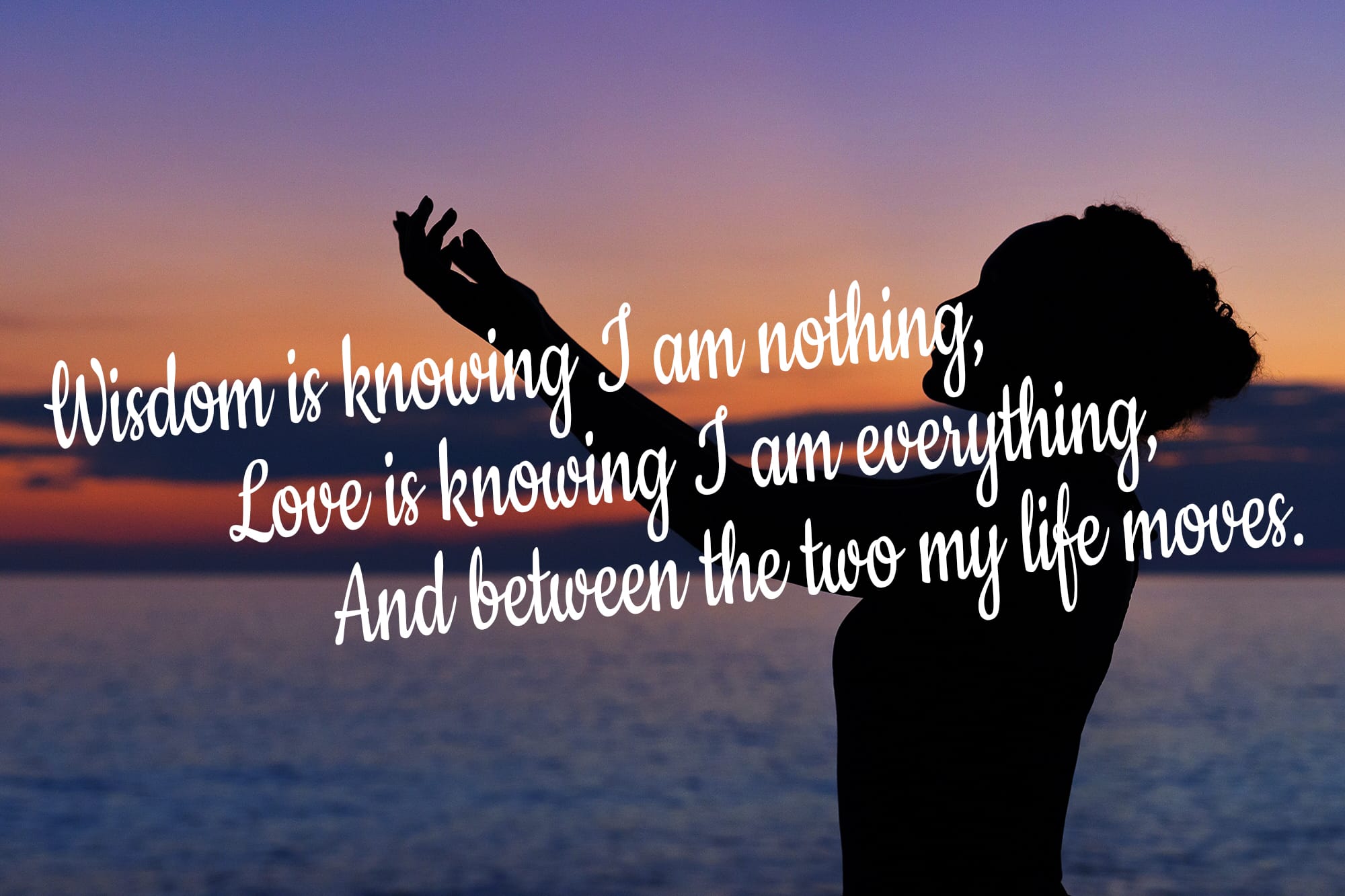
I love this quote by Nisargadatta Maharaj. This is such a great reminder of how beautiful life can be if you live by these principals.

I used to have an attitude or belief that my problems were all that mattered. I was always thinking about my problems, my life, my wants, my needs, my stuff, my lack, my suffering, etc. I was very busy trying to get things to be the way I wanted them.. the way I thought they should be. I was always a victim and something was always happening to me! Everything that happened in life that didn’t fit with my set of personal preferences was a problem, so I had lots of problems. I had an attitude that I deserved a better life and it was not fair when things didn’t go my way. One of my frequently used phrases was “why does this always happen to ME?!!” All my bad choices and circumstances (alcohol, drugs, abusive relationships, etc)  were because somebody did me wrong, either in that instant or at some distant time in the past, and It wasn’t my fault!

Through my process of recovery, I was able to change my attitudes and beliefs and realize that most of my suffering was caused by my own self-importance and misguided sense of what life was all about. Once I started practicing yoga and meditation I started to see everything more clearly. I began to have the insight through the practice of self-inquiry, and I was able to see the truth in each situation and how my attitude about it could change everything! If I practiced having an attitude of gratitude, my life looked much better than if I had an attitude of entitlement. Slowly, I got down off my high horse and began to live more humbly. One of my favorite quotes is from Rick Warren’s book “The Purpose Driven Life” which says:  “Humility is not thinking less of yourself, it’s thinking of yourself less”. I found this to be profoundly true in my own life. I had been thinking about myself and my perceived problems constantly. I was making unimportant things important and leaving behind the most important things; like my children.

Once I began practicing humility, I became willing to see my own neurosis. The more I lived from this place of humility, the more real and honest I became, and the better I felt about myself. I had to stop pretending to be someone I was not and accept myself just the way I was, a train wreck, which would take a long time to clean up and get back on track.

Eventually, through continuing to practice gratitude and humility and by letting go of self-importance and entitlement, I began to see myself in a better light. I began to love the real me. I finally found the love that I had always been seeking, and it was right here inside me. I had been seeking love outside myself for decades, living the life of the “hungry ghost” that Gabor Mate talks about in his book about addiction and trauma. He describes the hungry ghost as “the domain of addiction, where we constantly seek something outside ourselves to curb an insatiable yearning for relief or fulfillment. The aching emptiness is perpetual because the substances, objects or pursuits we hope will soothe it are not what we really need.”

What I learned from my own experience is that what I really needed was to love and accept myself. Love is knowing I am everything…already! There is nothing I need to do, be, acquire, aspire to, perfect, etc. I just needed to be me, and love who I am. So now, years later, the train of my life is flowing pretty smoothly along the tracks to wherever life is taking me. The things I thought mattered most, the things I thought I had to GET in order to be HAPPY, I still don’t have them. Life still happens without concern for my list of preferences. Life is still life but I have changed my attitude about it. Now I practice acceptance and gratitude, which gives me FREEDOM from wishing that what has already happened were different than it is.

Now, instead of thinking about myself all the time, I think about how I can make a difference in the lives of others. How can I help another person find the love inside themselves? How can I help others to find FREEDOM from suffering?  How can I show up in a way that inspires and uplifts everyone I meet? Now I know that life is not about getting…It’s about loving and giving and connecting to others in a meaningful way. Turns out, if you align yourself with love and humility, life is beautiful, and you don’t need anything to make it so.

Wishing you all love and happiness!

Namaste

Click here to read more on the Villa Kali Ma Blog! 

Accessibility Toolbar

Exit mobile version