Categories
Substance Abuse

What Is Substance Use Disorder?

So many terms are thrown about to describe the same struggle that almost 20 million Americans face. So what exactly is substance use disorder, and how do you know if it’s something that’s impacted your life? 

We’re getting into the details of this diagnosis in a clinical and real-world manner, and we want to make sure you get the answers you need today. 

Are addiction and substance use disorder the same?

There is a marginal difference between addiction and substance use disorder, but at their root, they mean the same thing. Substance use disorder has many causes, some rooted in trauma and others in genetics, but primarily it is an incompatibility between a person and their sobriety. 


Substance abuse may begin from a clinical need for pharmaceutical intervention that spirals beyond a healing use or from a self-driven need to escape an emotion or reality within the life you live. Substance abuse is not picky in where it starts or where it will leave you, but it is a clinical way of discussing the inability to live your life without the substance you’re abusing. 

What are types of substance abuse?

While any substance can be abused when it becomes an all-consuming part of your life, there are a handful of recognized substance use disorders most commonly treated in a clinical setting.

Alcohol

You may hear alcohol use disorder also referred to as alcoholism. The terms are one and the same; both are characterized by a chronic dysfunctional relationship with alcohol. Whether it’s beer, wine, or spirits, alcohol use disorder (AUD) is a clinical diagnosis that can control your life. 

Some of the signs and symptoms are alcohol cravings, drinking no matter the impact on health, and an inability to go without alcohol. Behavioral changes and effects on physical health may occur as a result.

Hallucinogens

Drugs that alter your perception of reality are often called hallucinogens. Hallucinogens include drugs like MDMA  (ecstasy), salvia, LSD (acid),  and psilocybin (mushrooms). These psychoactive substances produce changes to the way you experience the world around you. 

Those who experience hallucinogen abuse are at risk for overdose due to increased tolerance and the user taking larger doses to feel the effects. Signs of abuse disorder may include agitation, paranoia, memory changes, anxiety, and impaired reflexes. 

Marijuana 

Although often hailed as being “nonaddictive,” marijuana abuse disorder is a problem that can occur without notice. Marijuana is famously known for creating a calm atmosphere and is medically lauded for reducing many symptoms. While its use to support clinical symptoms is important, marijuana can, like any other drug, be abused without mindful use. 

Symptoms of marijuana abuse disorder are ignoring risks, increased cravings, heightened anxiety, inability to cope without marijuana, and increased anxiety

Nicotine 

Plastered on packages and billboards across the nation, the prevalence of nicotine is not an unfamiliar topic in the US. Cigarette and tobacco consumption has declined in recent years, but access to nicotine remains easy and readily available. E-cigarette use has increased nicotine access alongside the declining use of tobacco. 

Leading to lung, mouth, and throat cancer, nicotine abuse disorder has a powerful lifelong impact for those who fall prey to it. Nicotine abuse symptoms may include cravings, personality changes during withdrawal, agitation, frequent respiratory infections, and impotence.
Opioids 

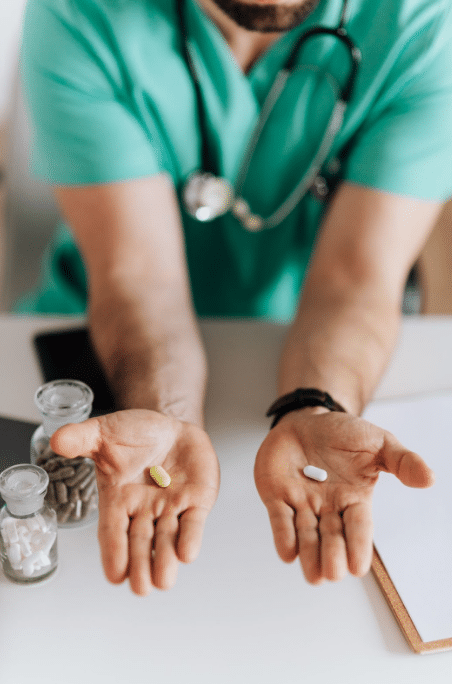
This class of drugs is primarily made up of commonly-prescribed substances derived from the opium poppy. This sector of painkillers has clinical applications to reduce major pain. Opioids also include heroin. Whether you’re using the prescription kind or illegally obtained opioids, addiction is a serious concern with opioids. Their function is to reduce pain, but side effects include confusion, euphoria, and lowered respiration. 

Those addicted to opioids may experience powerful cravings, a breakdown of skin composition, difficulty fulfilling obligations, withdrawal, and increasing tolerance of the drug that requires a higher dosage. 

Sedatives and stimulants

While these categories of addictive substances are inherently opposite, the access and development of addictive behaviors in response to their consumption can be quite similar. 

Sedatives’ primary function is to help someone who struggles with sleep disorders or insomnia get enough rest. However, like all drugs, they can be dangerous when abused. This category includes barbiturates, benzodiazepines, carbamates, and sometimes even antihistamines. 

Stimulants—which run the gamut from caffeine to cocaine, methamphetamine, speed, and crack—cause heightened excitement and motivate users to get things done. Under this guise, some stimulants find purpose medically to treat or support those with attention disorders, while others are illegal in every form. 

The abuse of sedatives and stimulants is characterized by insomnia, blood pressure changes, tachycardia (unstable heart rate), sexual and respiratory dysfunction, and central nervous system disruption. Some stimulants may cause hallucinations, tooth decay, and aggression. 

How we heal is all the same 

No matter the kind of substance use disorder that’s taken up unwelcome residence in your life, there is a universal key to success: you want to heal. We can all begin to walk the lifelong journey of recovery the moment we believe in the possibility of life after active addiction. 

There is no actual secret, or one right way, to get sober. However, there is one right place to begin: in the authentic knowledge that you are capable of healing, and you deserve the future that lies beyond the struggle you now find yourself within. 

Recovery is possible, and our holistic healing program can begin in the first steps of detox or anywhere along the way. When you’re ready, we are too. Contact us today at (866) 950-0643 to learn more. 
Categories
Substance Abuse

Alcoholism in the Family 

Family relationships can be complicated. When someone you love is struggling in their relationship with alcohol, you may not be quite sure how to handle things. Today, we’re answering the questions you want to ask about alcohol use in families – even if you’re not sure where to begin. 

How many families are impacted by alcoholism?

It is estimated that, at some point in their lives, a staggering 43% of people will have struggled with someone in their family’s relationship with alcohol. When someone you love is struggling with their relationship with alcohol, it can create mistrust, confusion and hurt in every aspect of their lives. A family who comes together to support someone with alcoholism may feel connected, but there is often strain in the ties that bind. 

Family impacts of alcoholism include broken or damaged relationship bonds and present domestic abuse risks. Outside of these more profoundly observable experiences, there are smaller changes in family structure that may lead to altering dynamics. An inability to trust an individual and breakdowns in the stability of communication are common when someone is using alcohol. These things may make it difficult to talk to someone you once loved, creating a space where you hope for connection. When strong relationships become fragile bonds, you may wonder where to go from here and what those changes mean for you. 

Is it genetic to be an alcoholic?

While there are multiple factors that contribute to the risk of alcoholism, genetics do seem to be part of the equation. Not a single gene increases the likelihood of alcohol misuse, but information encoded across several series of genes can play a role in increasing the risk of alcoholism. The University of Rochester estimates that those who had a relative with alcohol misuse tendencies are 4 times more likely to struggle with alcohol use themselves. 

What’s the impact of alcoholism on children?

Alcoholism can impact children of any age, including having an impact on the children of alcoholics long after they’ve left childhood. There is no benefit for a child who has a parent or guardian that uses alcohol, but many risks become involved.

In the US, more than 10.5% of children are impacted by a parent who struggles with alcoholism. Those children will experience an increased risk of domestic violence exposure in their young lives, and as they grow, will continue to be more vulnerable than other children to the risks of alcohol misuse. 

Do adult children of alcoholics have risks related to alcohol?

There is an increased risk of alcohol abuse in adult children who have experienced alcohol use disorder in their adult caregivers. From a young age, these children were aware of the drinking going on. Witnessing it in excess can influence their perception of what’s normal and warp their standard of behavior before they even have their first drink. 

Outside of the risks of alcohol misuse themselves,  adult children of alcoholics may struggle with emotional regulation. They may struggle to identify stable relationships, establish trust or feel the truth in their own emotions in relationships they do develop. 

How does alcohol affect your relationships with others?

In every shape and form, alcohol impacts the relationships you have with others. You may find that your friends are really enjoying you on a night out when you can toss back the drinks and be the life of the party, but it’s unlikely that anyone else in your life is feeling quite as boisterous about your relationship with alcohol. 

In romantic relationships, alcohol increases the instance of domestic abuse by a large margin. Due to lowered inhibitions, altered perception, and reduced self-control, alcohol can is a contributing factor to a large number of domestic abuse cases across the globe. 

Where can we begin to find support?

When you are seeking ways to be supportive of a family member who is either struggling with alcohol misuse or in recovery, there are options available to you. Seeking therapy to help you heal unresolved trauma related to the relationships impacted by alcohol can be a great place to begin in stopping the cycle of addiction in its tracks. Healing your own hurt may seem counterintuitive but breaking the cycle can reduce enabling behaviors and help you in supporting your loved one. You can work toward a legacy rooted in their holistic being instead of their alcoholism. 

If you are struggling with your relationship with alcohol, you can begin with yourself before reaching for the help that is available. Considering your concerns, emotions, and experiences can help you to navigate the kind of support you want and what may feel accessible to you right now. There are many kinds of support available to you from detox to residential recovery programs, Villa Kali Ma has a multitude of programs designed to help you heal from the inside out. 

Categories
Addiction Treatment

Chronic Pain and Addiction

It always hurts to be in pain, but when you’re feeling the sharpness of chronic pain alongside addiction concerns, it may feel like you have nowhere to turn. The relationship between chronic pain and addiction is a tumultuous one, but it’s one you can find support for. 

That support will look different for everyone. Below, you’ll find tips to navigating chronic pain alongside your recovery and answers to the questions that may help you make sense of the complicated space you find yourself in. 

Developing an addiction in response to pain 

Living in pain makes it more likely that someone will be prescribed opiates or painkillers to manage their symptoms and make their lives feel meaningful. Over time, those medications become less effective by design. Painkillers aren’t meant to be a long-term solution, but for people who experience pain long-term, there isn’t a better alternative. 

When their medications stop giving the relief they once did, the person in pain may begin to seek other options to fill that gap in order to continue meeting the demands of their body. This is where the slippery slope begins because, at this point, neither path is going somewhere that will be sustainable for a holistically well life experience. 

Whether you are in recovery, actively still in addiction, or supporting someone who is in these spaces, it’s important to consider the impact of chronic pain on addiction in a holistic sense. 

Body

Everything hurts, or maybe just some things hurt—but it’s happening in ways that make it difficult for you to engage with your world in a way that feels safe and familiar. Pain is a powerfully invalidating variable that none of us are ever truly prepared for. We are designed to be able to handle pain in short doses, or in situations where we anticipate it may occur. When you stub your toe, it will hurt. A papercut will sting but heal. A sprained or strained muscle may give you some difficulty but it will get better with time. 

Chronic pain doesn’t get better with time, and it often leaves you feeling a whole host of emotions about how to navigate it. It’s frustrating, especially as you continue to feel incapable of carrying on with no end in sight. Having your hope stolen with every breath is defeating in an entirely new way. 

But even when your body is failing you, you can make choices other than giving up. Some days, your commitment to honoring your body may be to rest. You can find mindful meditation in bed, while you’re resting. On the days you feel capable, gently stretching your muscles or working your body in safe ways may help you to alleviate the domino effect of chronic pain like muscle atrophy and stiff joints. 

Mind 

It is a heavy mental weight to bear, navigating the pain in your body and the conflict of managing it. Many of the ways you once used to deal with the pain are no longer accessible to you in your sobriety but can be nonetheless tempting. Adding to the challenge are the complex mental gymnastics you need to endure to remind yourself of what you truly want—sustainable recovery. Be gentle with the thoughts that come up in the duality surrounding managing these needs. 

If you find yourself thinking thoughts that you thought you were long past, do not sit with them in judgment. When it feels good, you can bring these thoughts to your therapist, sponsor, or mentor to talk about the way they’re landing for you. 

These thoughts and feelings may include: 

  • Doubt about your recovery 
  • A desire to use that feels more powerful when your pain is high 
  • Guilt that undermines the hard work you’re already doing 
  • Anger at yourself or your body for putting you in this position 
  • Frustration or confusion at the  turmoil of these competing needs
  • Isolation from your recovery, your friends, or your life 
  • A sense of failure, or negative self talk that encourages you to fail 

Thinking about things that feel counterintuitive to your healing is actually a positive part of self-actualization. Giving space to those thoughts without giving them any power will return the power they once held back to where it rightfully belongs: with you. 

Does chronic pain lead to addiction?

While chronic pain doesn’t necessarily cause addiction, there is a notable correlation between the two. That’s a hefty sentence and largely deflects the question. But there really isn’t a simple answer. Yes, chronic pain can lead to addiction. But no, chronic pain doesn’t cause addiction. 

For some people living with chronic pain whose medication has stopped working, they seek the support of other therapies to manage the pain they’re experiencing. For others, they begin seeking other medications, alternatives, and substances that reduce their pain, just so they can get through. 

These behaviors are often substance-seeking in nature and have the potential to become an addiction.

Managing chronic pain in recovery

For those who develop chronic pain after they’ve entered recovery, navigating any sort of pain management may feel like a volatile experience. How do you choose which risk is the easiest to navigate, and find support for the trauma it’s likely to bring up as you decide? Again, there’s no easy answer, but there is a plethora of support available to you through recovery and long-term support programs like therapy and group connection. 

For our clients, we offer alternative support therapy that includes opportunities to alleviate pain through routes outside of medical practice. Things like acupuncture, reiki, movement therapy, and even nutrition can complement other pain relief modalities that you may undertake with your health professionals like physical therapy or massage

There is no one right answer for managing recovery alongside chronic pain, but there is one universal truth: you are worthy of being supported through it. If you’ve found some validation and support in these words, we are grateful you’ve shown up to find them. If you feel ready to reach for more, we are here to help

Categories
Substance Abuse

What’s So Great About Being Sober?

The road to recovery looks impossibly long from the path you’re walking now. Sometimes, it doesn’t feel worth it when you consider all you’ve already endured.  

There are so many questions you’re asking yourself and we want to answer them with you. The benefits of getting sober are so real—but so is the way you’re feeling right now. There’s hope in seeing both, together, and it begins with asking the hard questions. 

Am I really going to be healthier if I’m sober? 

In short, yes. Your body isn’t functioning optimally when all your systems are inundated with processing substances that change your behavior at a cellular level. Though foods and even environmental factors can impact your health, the substances you use frequently can make your core systems dependent on the way they function with that substance. This takes away not only your control of self and harmony of your systems but reduces the level of holistic health you can achieve. 

When you’re sober, you experience the benefits of being able to hear your body’s signals and respond to them accordingly. When you’re listening to your body with your whole being, you can be the healthiest version of yourself by advocating for and participating in the care you need most. There are many ways that will benefit you- so let’s talk about some of them in detail. 

You’ll sleep better

If you’ve struggled to get sober before, you likely noticed that as you began to remove substances from your life, your sleep really paid the price. During periods of withdrawal and use, sleep is at its worst. You may experience periods of insomnia instead of the restless abyss of sleep while you’re using, but either way, the result is the same: you don’t get much deep, restorative rest.

When you’re sober, your body has the time and extra energy to calibrate the way you rest to respond to what you need. You’ll get more consecutive sleep with a more stable sleep cycle. This means you’ll benefit from the REM and light sleep periods that are often omitted from your sleep while you’re actively using. These types of sleep allow for physical and emotional healing as well as more effective memory retention. 

Your bank account will thank you 

Seriously. The amount of money you spend on obtaining the substances you use, and the impulsive purchases you may make while you’re not sober really add up. Retaining complete control of your financial decision-making will help you keep money in the bank so you can spend it on the things that make you feel empowered.

The comfort of a financial safety net after a couple of months of sobriety may even decrease your risk for returning to addiction behaviors as you are able to offer yourself more security and comfort in other ways.

The fear of getting sober is so real—and conquering fear feels amazing

Getting sober is hard work, and it’s work you’ll be returning to for the rest of your life. Whether you grapple with the early stages of recovery multiple times or you remain sober, you’ll be in recovery. It’s daunting to think about all the risks of failure, and the return to addiction once you’ve done the hard work. And more immediately, what will being sober feel like? Will it be hard? Will it hurt? Will you still have friends? 

The first step to conquering that fear is asking why—why are you afraid of these things? Then, you’ll need to rally the troops from professional to personal to garner a support system to carry you through. Consider rehabilitation programs your parachute and sobriety your skydiving adventure. Yes, it might be hard. But you can do it—and think of how incredible that adrenaline will feel when you look back at what you can overcome. 

What’s the point, if I’m going to be in recovery forever?

Feeling defeated about the fact that recovery never ends? It’s a bittersweet thought- and for many, it’s more bitter than sweet. Why work so hard on something that will be a shadow on your lived experience for the rest of your life? 

Because you’re worth it. 

That’s the simple, complex, and beautiful truth of it. You are worth the benefit, the struggle, and the eternal existence of recovery because every day that you move forward toward is one where you are telling yourself, “Look. I can do it. I’ve done it already!”. You are strong enough and you are worth it. 

Recover your clarity and confidence

Overcoming the obstacles of getting sober can be daunting, but it’s not an obstacle course you have to overcome alone. There are barriers ahead of you, and some of them may feel frustrating, scary, or even downright impossible. But we are here with the personal and professional experience to hold your hand (and your accountability) as we walk together toward your brightest most holistic future. 

You can do hard things. You can see beautiful results. We are here for you every step of the way. 

Call us today at (866) 950-0644 to get started. 

Categories
Depression

Symptoms Of Seasonal Affective Disorder

Feeling the struggle of the winter woes and wondering if it’s just you? Chances are, it’s probably not! Even in sunny southern California, the daylight hours dip this time of year and it can leave us all feeling a little bit meh. 

Seasonal Affective Disorder (or SAD) affects up to 20% of the population in one form or another. Overwhelmingly impacting women, this changeable seasonal mood disorder can happen at any time of year but mostly occurs in winter. 

So what exactly are those symptoms? Let’s talk about how to recognize the signs of SAD- and what to do if you’re feeling a little called out right now. 

Sleep problems 

Whether you’re sleeping constantly or feel like you’re forever awake, changes in your sleep pattern are often a good indicator of changes in your emotional wellness. If you’re struggling to hit your sleep goals or lying awake at night feeling restless, it can help to begin tracking when the sleep changes set in. 

Increased emotional intensity 

Experiencing a lot of anxiety that seems to have no clear cause but is constantly bubbling just beneath the surface? Maybe you’re feeling easily frustrated by things that usually don’t ruffle you, or just utterly deflated at the state of things. 

Any number of mood shifts or intensities may occur as your hormones adjust in response to the environment. When hope heads for the hills along with the sun, you may be experiencing mood changes related to the season. 

Struggle to concentrate

It’s so frustrating when you’re used to being able to complete lists or plans in a single sitting, but find yourself unable to even finish a – where was I going with this? Difficulty concentrating is a common symptom of SAD and can make your moods feel even more pronounced as your thoughts disappear like snowflakes on warm glass. 

Increased desire to use substances 

When your moods feel unstable and getting the right amount of sleep feels like wrestling with a bear, urges to fall back on dangerous coping mechanisms may feel heightened. Especially early on in recovery, SAD can be a siren calling you back to the substances that controlled your life. 

If you’re feeling the urge to use, reach out to your support system or your trusted counselor today. Falling back into substance use will last much longer than a season and support cannot wait. 

Can Seasonal Affective Disorder cause physical symptoms?

It seems like the ways the weather warps your mood should be more than enough, but it doesn’t stop there. There are telltale signs of SAD that your body is giving you too. 

Weight changes 

Feeling like your favorite jeans are a little looser than you thought? Or maybe they’re just a bit snugger. Either way- your body changing physically in response to the way you’re feeling emotionally isn’t surprising, and it’s not something you’ve failed at if you’re noticing it now. Seasonal changes can cause shifts in the metabolism too. 

Unexplained aches 

Knees letting you know the rain is coming in? Maybe your back is aching or your chest is tight. There are a number of unexplained pains that can increase in response to your body’s displeasure at the changing weather. 

What causes SAD?

No one’s entirely sure what causes your mood to plummet with the turning of the seasons, but there are some theories. SAD is most prevalent in winter months, particularly in regions that see a dip in daylight hours or more gray days than clear skies. Due to this, it’s thought to be tied to an increased production of melatonin combined with decreased vitamin D. 

Reduced social activity, colder weather, and less sunlight reinforce the hormonal and mood-related impacts of the winter weather on your mood. And it is mostly winter when these disorders occur. Despite Lana’s compelling ballad, summertime SAD is much rarer- though it does happen. 

How long does Seasonal Affective Disorder Last?

Short answer: Up to 5 months. It tends to be a more gradual reduction of symptoms until you’re feeling like yourself. Your mood may shift, reflecting the turning of the earth along toward happier and more hopeful days. By the time the winter is well and truly over though, you should be on your way to feeling more like yourself. 

There are a number of things you can do to alleviate SAD symptoms and most of them you can do right now. If you’re feeling sad (ha, pun intended), you can try: 

  • Moving your body 
  • Getting some sun (or sun lamp therapy) 
  • Taking vitamin supplements 
  • Finding support in friends or professional support groups
  • Seeking more structured help

Seasonal Affective Disorder is usually diagnosed after two consecutive seasons of symptoms coming and going alongside the seasons. 

If, however, the feelings persist beyond five months, it’s possible that you are experiencing a mood disorder that coincided with a season but is more persistent and worth speaking to a trusted provider to make sure you’re getting the support you need. 

No matter when your symptoms come and where they go, we are here to support you any time of year. Connect with us today to learn more about how we can help our substance abuse clients battle depression, seasonal or otherwise. Call us at (866) 950-0644 to get started. 


Categories
Trauma

Mental Health Disorders Caused by Trauma

Trauma is a global phenomenon. It does not discriminate by the money you have, your education, or even the value you place on the world around you. Trauma can happen to anyone. Once you’ve navigated something traumatic, you may feel you’re on the up and up—looking toward a brighter future. But trauma can linger, creating impacts that extend into any facet of your life. 

So what are the mental disorders caused by trauma, and how can you recognize them? Read on to learn more about five trauma-related mental health disorders, their co-occurring risks, and how you can help yourself (or a loved one). 

What happens after you experience trauma?

Trauma is any event (or series of events) that overwhelms your ability to cope. From catastrophe to heartbreak, there is no limit on the spaces or reasons in which you may experience trauma. 

When you’ve been traumatized, your brain begins scrambling for ways to make sense of something that is just too much to work through. During trauma, your body prepares to protect itself. After trauma, the mind tries to recover from whatever protection it couldn’t muster through coping tools that help numb or normalize what you’ve been through. For those who are in recovery, it’s likely your substance use is tied in one way or another to coping mechanisms you’ve used to try to overcome or numb that trauma. 

How does trauma affect your mental health?

In the days, months, and even years following trauma, the landscape of your mental health changes. How you feel your feelings and how you respond to them become foreign. You may no longer be sure how to relate to yourself or the world around you. Sensory and hormonal input are physical, but the way you feel them begins to feel like there’s a stranger in your thoughts, sharing your body. Many people seek the opportunity to evade that unsettling sensation, increasing the risk of developing unhealthy coping mechanisms. The impact of trauma can also increase the risk of co-occurring disorders that muddle your ability to prioritize it. 

There are several mental health disorders associated with trauma. Each is defined by a unique set of symptoms that responds to the universal desire to recover from (or reject the pain of) trauma. 

Post-traumatic Stress Disorder (PTSD)

Most well known in association with military veterans, Post-traumatic Stress Disorder has become characterized by flashbacks, rage, and insomnia. The lived experience of PTSD is much more varied, however. People who have experienced trauma on any level may develop PTSD. Symptoms do include the things listed above, but those experiencing PTSD may also have dissociative episodes, depression, a deep sense of shame, withdrawal, or destructive substance use. 

Complex PTSD 

Complex PTSD surfaces in cases where people are subjected to trauma over long periods, such as childhood abuse or wartime. The COVID pandemic may create an influx of complex PTSD cases. This disorder is characterized by a negative view of self, trauma-related amnesia, memory repression, detachment of self, and low awareness of core values. 

Acute Stress Disorder (ASD)

This disorder mimics the symptoms of PTSD in every way except one- Acute Stress Disorder occurs for a brief interval. Despite its brevity, ASD can have long-term ramifications if the coping mechanisms it brings about don’t depart with it. 

Secondhand trauma

A familiar disorder to those who have witnessed formative types of trauma occurring to other people, secondhand trauma is unique in its symptoms and expression. Being traumatized by watching someone else experience trauma may lead to feelings of helplessness, fear of loss of control, hypervigilance, amplified negative emotions, or chronic fatigue. 

Adjustment Disorders

Most often triggered by experiences that markedly change the way you exist within your life, adjustment disorders are much like they sound. If you’re struggling to find your way within the new landscape of your life, you may be suffering from adjustment disorder. This trauma-induced mental health challenge manifests in sleeplessness, a feeling of burnout, overwhelming feelings, heightened stress, lack of focus, neglecting responsibilities, and frequent sadness. 

While we have only covered a handful of the specific mental disorders caused by trauma, it’s important to note that many more exist. It’s also common that these disorders present as a combination of manifestations. Trauma-induced mental health disorders may also reveal themselves through the disorders that come from coping mechanisms you use to avoid their symptoms. 

Any of these disorders may present with suicidal thoughts or instances of self-harm. These things are always an emergency, and you should not wait to seek help. Reach out to emergency services now. 

Recovery is possible. Support is available. If you recognize yourself in these words, please reach out. You are worthy of the possibility that awaits you. 


Categories
Mental Health

How Does Stress Affect Your Body? 

Your body is designed to handle small amounts of stress. You are a well-constructed machine with the capability to overcome most anything that happens to you on a regular day. But what happens when you’re not having a regular day or, as this pandemic marches on, you can’t even remember a regular day? 

Let’s take a look at how stress affects your body and what that means for you. 

The Anatomy of Stress 

A stressed body feels like a body under pressure. When you’re feeling stressed, you aren’t at your most effective. From the top of your head to the tips of your toes, each part of your holistic being responds to the chain reaction of stress. Every system of your body is affected. 

What Does a Stressed Body Feel Like?

Like many things, stress is, unfortunately, a holistic experience. You feel it in your core and every vital system to your survival. Let’s look at each of our primary systems, how stress impacts their function, and the way you experience its effect. 

Muscles and Bones

When stress begins to rise in your body, your muscles coil and prepare for the impact ahead. Carrying around the tension of that preparation can lead to cramping and extraneous pressure on your skeletal system. The way you carry yourself changes to accommodate the tight muscles caused by stress. 

Breathing 

Stress destabilizes the pace you bring air into your lungs. When your breathing is rapid, your body struggles to keep up with supplying those important tissues with oxygen. This may feel like shortness of breath, tightness in your chest, or even trigger asthma attacks in vulnerable people. 

Heart

Much like your breathing, your pulse picks up when you’re feeling the pressure of the world around you. Stress causes a hiccup in the coordination between the flow of nutrient-rich blood from your heart to your body. Over time, it can cause chronic inflammation in your arteries.

Hormones 

Your body recognizes stress by its hormone signature. Most famously, cortisol levels are associated with both your stress response as well as your kidney function and energy levels. There are other hormones that interact with your stress levels though. Adrenaline, glucose, and even testosterone levels are all responsive to the stress you experience. 

Sleep

Stress can keep you awake at night, pondering the worries and woes you didn’t have time to worry about in your waking hours. Stress-induced insomnia affects your circadian rhythm and can make it feel impossible to let your body relax enough to find rest. 

Skin and Hair 

Stress can make skin and hair feel dull and temperamental. From flaring existing skin conditions to causing hair loss, there’s no shortage of the way stress can impact some of your most visible body systems. 

Digestive

Also called the gut-brain connection, your digestive system is undeniably linked to the things you think and feel. It’s no wonder that stress can cause all manner of gut discomfort. Gas, constipation, and heartburn are some of the most commonly reported impacts of stress on the stomach.

Reproductive

With stress playing havoc on hormonal systems, it’s no surprise to find that it also may impact your reproductive system. From desire to menstruation, there may be a change in the familiar patterns of your body when you’re stressed. 

Immune

When your body is battling your stress levels, it’s a whole lot harder to fight off intruding germs and bugs. Your immune system feels the strain and it exhibits a weakened response to the outside world that can make you sick. 

Can stress cause long-term damage? 

Stress shouldn’t be left unmanaged or without holistic care, it needs to alleviate the fight-or-flight intensity of it.  Over time, the reactions your body experiences due to stress can wear on you. Long-term stress can lead to serious diseases of important bodily systems. 

Chronic stress can cause or contribute to a number of disorders. From direct correlation to a waterfall effect, there is evidence that it can also contribute to the development of substance use disorders.

It’s possible to be addicted to stress too 

For some, stress is something that drives the desire to numb that often precedes substance use. For others though, stress can be an addiction all its own. If all you know is adrenaline-laced intensity, relaxation may feel unsafe to your body. Stress addiction stands apart from substance use recovery but many of the treatments can overlap in how they engage your body to begin rewriting your healing. 

Identifying the cause of your stress and the effects you feel from it in your daily life can be a powerful tool to stop it in its tracks. Through a sustainable and consistent routine, you can develop the tools to reduce your stress alongside your road to recovery today. At Villa Kali Ma, we offer programs to help our clients combat the effects of stress on a holistic level. Connect with us today to learn more about how we help our clients heal and manage stress. 

Categories
Addiction Treatment

What Causes Addiction?

These three words, “what causes addiction” elicit such a divisive response in a question that seems to evade a clear answer. The cause of addiction continues to elude research for a finite answer, but we want to examine the information we can find- and the impact of holistically considering your existence for its sum instead of its parts. 

What does “addiction vulnerability” mean?

Put simply, addiction vulnerability is the term used to describe the risk factors that you’ve experienced that often lead to substance misuse. It’s important to know and understand so that measures can be taken to support potential addiction before it becomes a greater problem.  

When you’re vulnerable to something, there’s a higher risk it could impact you and, if it does, that it will be a more difficult battle to overcome. This correlates to the lifetime risk of experiencing addiction, though it doesn’t definitively determine who may or may not struggle with substance misuse.

Identifying addiction vulnerability can help to track risk, monitor progress, and proactively safeguard against dangerous risk-taking behaviors. There’s not yet a comprehensive idea of everything that contributes to someone’s addiction vulnerability, but neuroscience is working to develop an inclusive picture to try to inhibit risk where possible. What we do know is that there are three main factors that contribute to primary addiction vulnerability.

The three-factor model of addiction 

Most research concludes that a three-factor model of addiction is the most supported inventory of risk we have right now. While these factors do not account for every person who misuses substances, and can’t be an exclusive guide to what someone may experience, it does offer a glimpse into understanding how addiction occurs. These factors consider what you experience (exposure), where you grow (environment) and what you’re made from (genetics). Let’s take a closer look at each of these.

Environment

When you live in physical or emotional spaces that create high-stress scenarios, your environment may contribute to addiction risk. This doesn’t simply refer to the geographical location of your lived experience, but also the tone of the spaces you take up and the interaction of others around you. 

The mind is neuroadaptive, meaning that when something bad continually happens to induce stress or adrenaline, your mind will begin to rewire itself to help you cope. Above all, your brain is working hard to help you survive. Sometimes the way it goes about that is by creating a desire for escape or clinging to experiences that help you to forget your trauma or dull the pain of a difficult environment. 

Genetics

You’re born with a universe of science coded into your bones. Every cell in your body carries the map of what you’re made of—your genetic code. Inherited from the people who gave you life, your genetic makeup can play a part in the cause of addiction. 

There’s a lot of contention around just how much genetics play into addiction risk, and reports claim it’s somewhere between 40-60% tied to the risk of substance misuse, with an even greater risk to those born to people who struggle with addiction. 

It’s difficult to separate the added risk of having addicted parents from other factors like the exposure it brings, but there is no doubt that the science of your cells can contribute to the cause of addiction.

Exposure

This one ties heavily into the two that came before it, strengthening the case for your environment and genetics even as it expands on them. What you see happening around your formative years helps to develop your sense of acceptable behavior. 

From the risks you take to the values you hold, you begin to develop your sense of behavior based on what you are exposed to. Was drinking commonplace in your home? Were you exposed to drug use in the media you watched or social circles at school? These things are all a part of the exposure factor of addiction.

You are not a product of your risk, you can find healing 

There is no formula to determine who will develop an addiction, or how we can help precisely. This is because we are not formulaic beings. You are not a series of numbers to be put into a machine and output an exact answer. You are a spiritual, emotional, and incredible being made up of not just these parts but so many others that cannot be measured. 

There is no moral failing or finger of blame to point at those who develop addiction in their lifetime, and you will find no fault placed for the things that have happened to you. We are not here to judge, but we are ready to help you heal and understand how you got here. You deserve support. You deserve answers. We are here to offer both.

Categories
Co-Occurring Disorders

“Addiction and”: 5 Common Co-Occurring Disorders

When you’re struggling, it can be difficult to determine what to ask for help with first- or even how to ask for help at all. Substance use disorders are one of the most commonly co-diagnosed disorders, meaning they’re often diagnosed with one or more other conditions that work alongside addiction to create the symptoms you experience. This makes it difficult to identify where to begin or what you’re feeling. 

As a holistic recovery facility, Villa Kali Ma specializes in identifying and responding to each aspect of your treatment as it impacts you now and into the future. Below is a list of the struggles we most often see as co-occurring disorders and how they impact your relationship with addiction. 

Eating Disorders

So much is out of your control when you’re struggling with addiction that it’s no wonder some people find solace in creating that control elsewhere—like food. Eating disorders impact the lives of nearly 10% of all Americans at some point, and they’re the second highest cause of mental illness-related death (second only to opioid overdose). Even in the statistics, a relationship seems plausible. 

Eating disorders include anorexia, bulimia, binge eating disorder, avoidant food intake, body dysmorphia, and pica. When you’re struggling to control the urges and intake of substances at the height of addiction, it can feel almost gratifying to instead begin to control your food. Some people may suffer from more than one eating disorder, just as others suffer from multiple substance use difficulties.

Mood disorders

The most well-known mood disorder is bipolar disorder, which is characterized by prolonged periods of mania and depression- vastly differing mood spaces where your responses may be unpredictable, and your inhibitions may be directly responsive to those moods. Other mood disorders like major depression are also common, and the correlation between the two is so high that there’s a mood disorder distinctly related to addiction called substance-induced mood disorder.

Often, people begin using substances to alter their perception of an experience. As it tumbles out of control, many people are simply chasing the effect they initially found in their substance use. Mood regulation may become more difficult as bodies become used to the substances put into them and eventually both unresponsive to and reliant on them. 

Anxiety Disorder 

Anxiety may sound like it belongs in a category with mood disorders, but anxiety is a state of being, not a mood. Rooted in feelings of powerlessness and overwhelming fear of a particular trigger, anxiety disorders come in a few forms. The most common are generalized anxiety, panic disorder, and phobias (a debilitating fear of a particular thing). 

When anxiety presents alongside substance use, it’s often a tactic to divert the feelings anxiety brings on into something else. Anxiety is uncomfortable, and worry can be consuming. The physical impact is tiring and overwhelming. For those who also use substances, an anxiety attack may be self-medicated with their substance of choice. This often makes the two feel not only co-occurring but so intricately linked that they can’t fathom how to handle the anxiety without the substance. 

Attention Deficit and Hyperactive Disorder (ADHD)

For brains that move so quickly, you often feel like thoughts are shooting stars instead of ideas, substance use can be a respite of calm. ADHD creates a struggle of executive dysfunction and energy in a race to participate in your life at a stable speed. When combined with the use of substances, they may feel like a way to sit down, slow down, and actually get something done. 

Post Traumatic Stress Disorder (PTSD)

PTSD makes you 14 times more likely to experience substance abuse disorder—and it’s really no wonder that these things are co-diagnosed. After experiencing trauma, life can feel like a battlefield. Finding any and everything you can to cope with the intrusion of trauma responses that occur in daily situations may feel like the only way to get through it. 

Using substances as a coping mechanism may feel like the only option, but they are tools that can be weaponized against you as they contribute to heightened responses that may worsen your PTSD. 

Getting the holistic help you’re hoping for is possible

Tangled symptoms and fear of failure may be holding you back, but it doesn’t have to. There are options to support all of your needs, and there is no need for you to choose just one. When you’re ready, Villa Kali Ma will be here with options for the recovery you need, no matter what’s co-occurring in your world.

Categories
Mental Health

Sleep Deprivation and Mental Health: How to heal the relationship between them

Sleep is closely connected to mental health in every way. Being deprived of rest can amplify your mental health struggles. Anxiety, addiction, depression, PTSD, and bipolar disorder are all exacerbated by lack of sleep. 

From the way it makes you feel to the physiological processes that happen on a holistic scale, your sleep is a critical part of you.  Without adequate rest, you may struggle to hold on to new information or recall familiar information. When we feel out of touch with the memories and moments that connect us to our sense of identity, it can perpetuate feelings of frustration and anxiety that may have been present prior to the sleeplessness.  

Before you can act on improving your sleep, let’s take a look at how sleep deprivation may be showing up in our mental (and physical) health. 

Feeling the Fog & Other Symptoms of Sleep Deprivation

During the waking hours when you’ve gotten less than ideal sleep, you may feel fuzzy or a step behind the rest of the world. You’ll be wasting precious energy reserves wading through the roadblocks of exhaustion when you’re not getting enough rest and it may lead to feelings of frustration, irritability, or broken concentration. Those foggy frustrations are just the beginning of the relationship sleep has with mental and physical health symptoms. 

If you’re experiencing sleep deprivation, you may be impacted by 
  • Exacerbated depression
  • Increased Anxiety
  • Irritability
  • Inhibited cognitive function 
  • Elevated blood pressure
  • Depressed immune system
  • Muscle fatigue 
  • Feelings of lethargy 

Sound familiar? It doesn’t have to be. 

Sleep deprivation impacts the lives and minds of each of us in different but indelible ways. We want to help you understand what’s happening in your mind when the sandman won’t bestow you with quality sleep, and how you can be your own bedtime hero. 

Let’s take a look together at how sleep deprivation and mental health are related so you can improve both. 

Factors Related to Sleep Deprivation & Mental Health

Quality and quantity

It’s not just the amount of sleep you get that’s tied to your mental health. The quality matters too. When you sleep poorly, you’ll feel every struggle more deeply, amplifying anxiety and deepening depression on the days those snoozing minutes just don’t add up. 

Less sleep means more mental health distress, and more mental health distress is likely to keep you awake at night. The compounding nature of the relationship between sleep and mental health is an ouroboros that’s consuming your energy in so many ways. 

Environment 

Consider the way you’re sleeping and how much you’re allowing yourself the space to get quality rest. Turn down the tone of the world in the hours before you go to sleep. Give yourself a barrier of relaxation and choose an activity that promotes feelings of calm for you. Reduce your exposure to noise and lower the lights but don’t move toward the bedroom until you’re ready to commit to sleep. 

If you can’t sleep, it’s important to get out of bed and choose another activity until you feel tired again before returning to bed. Laying in bed awake restarts your circadian rhythm and you may struggle to fully relax, creating a playground for awake thoughts during sleeping hours. 

Routine 

When it comes to healthy sleep, routine reigns supreme. Develop a plan and schedule you can commit to then stick to it. Think about what makes you feel sleepy, or prepared for sleep. Maybe it’s yoga or a breathing routine to calm your body, or a playlist that soothes the busy thoughts in your mind. From there, consider how you can incorporate the self-care and daily preparation you need to do. Think of it as a route that you take to sleep- your calm commute if you will. This routine will signal your body that it’s time for sleep, and as time goes on, it will be easier to shift into rest once it begins. 

Napping for better sleep 

Limiting naps or long lie-ins can be helpful in filling your sleep deficit. That doesn’t mean Naps of 15-20 minutes are great for a refresh that doesn’t leave you feeling tired after, and naps of around 90 minutes give you enough time to complete an entire sleep cycle. The struggle comes when you nap in that interim period- naps of 30-80 minutes can be disruptive to your sleep patterns and establish broken cycles that you struggle to regulate in nightly sleep. Those kinds of naps should be avoided for a more blissful bedtime. 

Accessibility Toolbar

Exit mobile version